Food preservation is an essential practice that has been utilized for centuries, serving as a cornerstone of human survival and culinary innovation. The primary objective of food preservation is to extend the shelf life of perishable items, ensuring that they remain safe for consumption while retaining their nutritional value and flavor. In a world where food waste is a significant concern, effective preservation techniques can mitigate spoilage, reduce environmental impact, and enhance food security.
The importance of food preservation transcends mere convenience; it plays a critical role in public health. By inhibiting the growth of pathogenic microorganisms and enzymatic reactions that lead to spoilage, preservation methods safeguard consumers from foodborne illnesses. Furthermore, these techniques allow for seasonal foods to be enjoyed year-round, promoting dietary diversity and cultural culinary practices. As we delve into various preservation methods, it becomes evident that each technique offers unique benefits and applications, catering to different types of food and consumer preferences.
Refrigeration: The Most Common Preservation Method
Refrigeration is arguably the most widely adopted method of food preservation in modern households and commercial settings. By maintaining temperatures between 32°F (0°C) and 40°F (4°C), refrigeration slows down the metabolic processes of microorganisms, thereby extending the freshness of perishable items such as dairy products, meats, fruits, and vegetables. This method is particularly effective for short-term storage, allowing consumers to keep food items safe for several days to weeks.
The efficiency of refrigeration hinges on proper temperature management and organization within the refrigerator. For optimal results, it is crucial to store food in airtight containers to minimize exposure to air and moisture, which can accelerate spoilage. Additionally, maintaining a consistent temperature is vital; frequent opening of the refrigerator door can lead to temperature fluctuations that compromise food safety. Regular cleaning and monitoring of expiration dates further enhance the effectiveness of this preservation method.
Freezing: Extending Shelf Life with Cold Storage

Freezing is a powerful preservation technique that can significantly extend the shelf life of food items, often preserving them for months or even years. By lowering temperatures to 0°F (-18°C) or below, freezing halts microbial growth and enzymatic activity, effectively pausing the aging process of food. This method is particularly advantageous for bulk storage and allows consumers to take advantage of seasonal produce or sales without the fear of spoilage.
To maximize the benefits of freezing, it is essential to prepare food properly before freezing. This may involve blanching vegetables to deactivate enzymes or portioning meats into smaller servings for quicker freezing and thawing. Vacuum sealing is often recommended to prevent freezer burn, which can negatively impact texture and flavor. When thawing frozen items, it is advisable to do so in the refrigerator or using cold water to maintain safety and quality.
Canning: Sealing in Freshness for Months

Canning is a time-honored preservation method that involves sealing food in airtight containers and heating them to destroy microorganisms and enzymes that cause spoilage. This technique allows for long-term storage of fruits, vegetables, sauces, and even meats while retaining their nutritional value and flavor. Home canning has gained popularity as consumers seek to control ingredients and reduce reliance on processed foods.
There are two primary canning methods: water bath canning and pressure canning. Water bath canning is suitable for high-acid foods such as tomatoes and pickles, while pressure canning is necessary for low-acid foods like green beans and meats due to the higher temperatures required to eliminate harmful bacteria like Clostridium botulinum. Proper sterilization of jars and lids is crucial to prevent contamination, and following tested recipes ensures safety and quality.
Drying and Dehydration: Removing Moisture to Prevent Spoilage
Drying and dehydration are effective methods for preserving food by removing moisture content, which inhibits the growth of spoilage-causing microorganisms. This technique has been utilized since ancient times, with dried fruits, herbs, and meats being staples in various cultures. Dehydrated foods are lightweight, shelf-stable, and retain much of their nutritional value when stored correctly.
There are several methods for drying food, including air drying, sun drying, oven drying, and using specialized dehydrators. Each method has its advantages depending on the type of food being preserved and available resources. For instance, herbs can be easily air-dried by hanging them upside down in a cool, dark place, while fruits may require a dehydrator for consistent results. Proper storage in airtight containers away from light and moisture is essential to maintain quality over time.
Pickling: Using Acids to Preserve Flavor and Texture
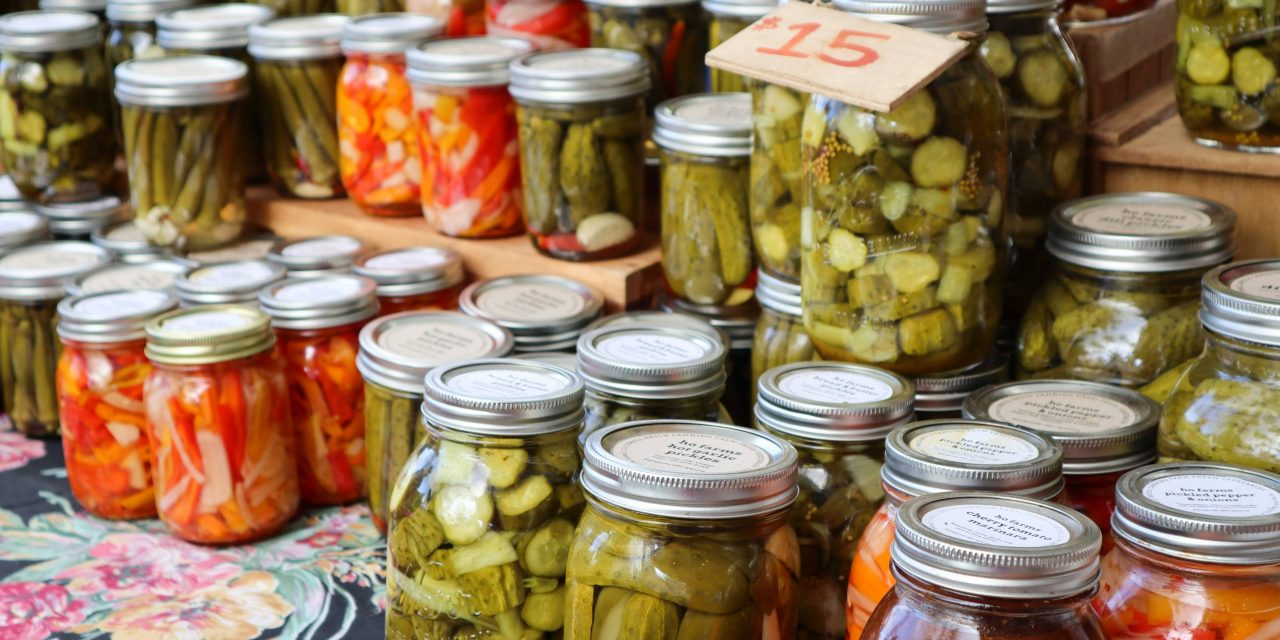
Pickling is a preservation technique that employs acidic solutions—typically vinegar or brine—to inhibit microbial growth while imparting distinctive flavors to foods. This method is particularly popular for vegetables such as cucumbers, carrots, and onions but can also be applied to fruits and even meats. The tangy taste associated with pickled foods has made them a beloved addition to many culinary traditions worldwide.
The pickling process involves immersing food in a solution of vinegar or saltwater along with spices for flavor enhancement. The acidity not only preserves the food but also contributes to its unique taste profile. Fermented pickles undergo a natural fermentation process where beneficial bacteria convert sugars into lactic acid, further enhancing flavor while providing probiotic benefits. Proper sterilization of jars and adherence to recipes are crucial for ensuring safety during pickling.
Fermentation: Harnessing Natural Microbes for Longevity
Fermentation is a fascinating preservation method that utilizes naturally occurring microorganisms—such as bacteria, yeasts, and molds—to transform food into products with extended shelf life and enhanced flavors. This ancient technique has given rise to beloved foods like yogurt, sauerkraut, kimchi, and sourdough bread. Fermentation not only preserves food but also enriches it with probiotics that promote gut health.
The fermentation process involves creating an environment conducive to microbial growth by controlling temperature, pH levels, and oxygen availability. For example, lacto-fermentation relies on lactic acid bacteria to ferment sugars in vegetables or dairy products. The result is a tangy product that boasts both preservation qualities and health benefits. It is essential to follow established fermentation guidelines to ensure safety and prevent spoilage.
Vacuum Sealing: Eliminating Air to Slow Decay
Vacuum sealing is an innovative preservation method that involves removing air from packaging before sealing it tightly around food items. By eliminating oxygen exposure, vacuum sealing significantly slows down the oxidation process that leads to spoilage while also preventing freezer burn during long-term storage. This technique is particularly beneficial for meats, cheeses, and bulk items.
To effectively vacuum seal food, specialized machines are available that create airtight seals around bags or containers. Properly vacuum-sealed items can last several times longer than those stored conventionally in the refrigerator or freezer. It is important to note that vacuum sealing does not kill bacteria; therefore, it should be used in conjunction with other preservation methods such as freezing or refrigeration for optimal safety.
Salting and Curing: Traditional Techniques for Meat and Fish
Salting and curing are traditional preservation methods that have been employed for centuries to extend the shelf life of meats and fish. These techniques involve applying salt or curing agents—such as nitrates or nitrites—to draw moisture out of the food while inhibiting microbial growth. The result is flavorful products like cured meats (e.g., bacon, prosciutto) and salted fish (e.g., cod).
The salting process works by creating a hypertonic environment that dehydrates microorganisms while enhancing flavor through the infusion of saltiness. Curing often involves additional ingredients such as sugar or spices to develop complex flavors over time. It is crucial to follow established guidelines when salting or curing meats to ensure safety from pathogens like Clostridium botulinum.
Sugar Preservation: Jams, Jellies, and Syrups
Sugar preservation is a sweet method that utilizes high concentrations of sugar to inhibit microbial growth while creating delicious spreads like jams, jellies, and syrups. The high sugar content creates an osmotic environment that draws moisture out of microorganisms, effectively preserving the product while imparting rich flavors.
To create jams or jellies, fruits are cooked with sugar until they reach a gel-like consistency through pectin activation. Proper sterilization of jars is essential during this process to prevent contamination. Sugar preservation not only extends shelf life but also allows consumers to enjoy seasonal fruits throughout the year in a delightful form.
Smoking: Adding Flavor While Preserving Food
Smoking is a unique preservation method that combines heat with smoke from burning wood or other materials to impart flavor while extending shelf life. This technique has been used for centuries across various cultures as a means of preserving fish, meats, cheeses, and even vegetables. The combination of heat and smoke creates an inhospitable environment for spoilage-causing microorganisms.
The smoking process can be divided into two categories: hot smoking and cold smoking. Hot smoking cooks the food while infusing it with flavor; cold smoking imparts flavor without cooking the item fully. Both methods require careful temperature control and adherence to safety guidelines to prevent spoilage or contamination.
Choosing the Right Method for Your Needs
In conclusion, food preservation encompasses a diverse array of techniques that cater to various needs and preferences. From refrigeration and freezing for short-term storage to canning and drying for long-term solutions, each method offers unique advantages depending on the type of food being preserved and desired outcomes. Understanding these techniques empowers consumers to make informed choices about their food storage practices while minimizing waste.
As we navigate an increasingly complex food landscape marked by sustainability concerns and health consciousness, mastering these preservation methods can enhance our culinary experiences while promoting responsible consumption habits. Whether you opt for traditional techniques like pickling or modern innovations like vacuum sealing, the art of food preservation remains an invaluable skill in today’s world.
In summary:
– Food preservation extends shelf life while ensuring safety.
– Various methods include refrigeration, freezing, canning, drying, pickling, fermentation, vacuum sealing, salting/curing, sugar preservation, and smoking.
– Each technique has unique benefits tailored to different foods.
– Understanding these methods promotes sustainability and reduces waste.
– Mastery of preservation techniques enhances culinary experiences while supporting health-conscious choices.
FAQs
What are the main methods of food preservation?
The main methods of food preservation include refrigeration, freezing, canning, drying, pickling, and fermentation. Each method works by slowing down the growth of microorganisms, inhibiting enzyme activity, or creating an environment that is unfavorable for spoilage.
How does refrigeration preserve food?
Refrigeration preserves food by lowering the temperature, which slows down the growth of bacteria and molds. Most perishable foods can be kept fresh for a longer period when stored at temperatures below 40°F (4°C).
What is the process of canning?
Canning is a method of preserving food by sealing it in airtight containers and heating them to kill bacteria and enzymes. This process creates a vacuum seal that prevents new microorganisms from entering, allowing the food to be stored for extended periods without refrigeration.
Why is drying an effective preservation method?
Drying is effective because it removes moisture from food, which is essential for the growth of bacteria, yeast, and molds. By reducing the water content, dried foods can be stored for long periods without spoiling, making it a popular method for fruits, vegetables, and meats.
What role does fermentation play in food preservation?
Fermentation is a preservation method that uses beneficial bacteria, yeasts, or molds to convert sugars and starches into acids or alcohol. This process not only extends the shelf life of food but also enhances its flavor and nutritional value, as seen in products like yogurt, sauerkraut, and kimchi.