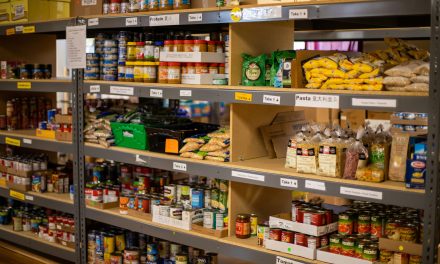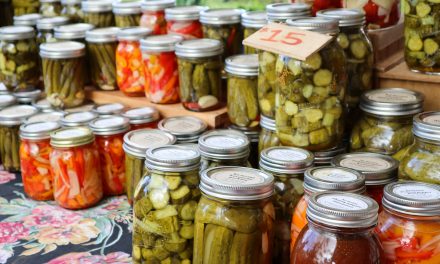
The first step in transforming your pantry into an organized haven is to conduct a thorough assessment and decluttering process. Begin by emptying the entire pantry, removing all items from shelves and compartments. This allows you to see everything you have, including expired products, duplicates, and items that you may no longer use. As you remove each item, take a moment to evaluate its condition and relevance. Discard anything that is past its expiration date or has been sitting untouched for months. This initial purge not only creates space but also provides a fresh perspective on what you truly need.
Once you have cleared out the pantry, consider the layout and functionality of the space. Take note of any areas that may be underutilized or difficult to access. This assessment phase is crucial for understanding how to best organize your pantry moving forward. By identifying problem areas, you can develop a plan that maximizes efficiency and accessibility. Remember, a well-organized pantry not only saves time during meal preparation but also reduces food waste by ensuring that items are used before they expire.
Categorize Items for Better Accessibility
After decluttering, the next logical step is to categorize your pantry items for improved accessibility. Group similar items together based on their type or usage. For instance, create distinct sections for canned goods, grains, snacks, baking supplies, and spices. This categorization not only streamlines the cooking process but also makes it easier to locate specific ingredients when needed. By organizing items into logical categories, you can significantly reduce the time spent searching for ingredients during meal preparation.
Additionally, consider the frequency of use when categorizing items. Place everyday essentials, such as cooking oils and spices, in easily accessible locations while storing less frequently used items higher up or towards the back of the pantry. This strategic organization ensures that you can quickly grab what you need without rummaging through the entire pantry. By implementing a systematic approach to categorization, you create a functional space that enhances your culinary experience.
Use Clear, Uniform Containers

To further enhance organization within your pantry, invest in clear, uniform containers for storing dry goods and other items. Clear containers allow you to easily see the contents at a glance, eliminating the need to open multiple packages to find what you’re looking for. Opt for airtight containers to preserve freshness and prevent pests from infiltrating your food supply. Uniformity in container size and shape not only creates a visually appealing aesthetic but also maximizes shelf space by allowing for efficient stacking.
When selecting containers, consider materials that are durable and easy to clean, such as glass or BPA-free plastic. Label each container with its contents and expiration date to maintain clarity and ensure that items are used in a timely manner. By utilizing clear, uniform containers, you create an organized pantry that is both functional and visually pleasing.
Label Everything Clearly

Labeling is an essential component of an organized pantry. Clear labels help you quickly identify contents without having to open each container or rummage through shelves. Invest in a label maker or use pre-printed labels to ensure consistency and readability. Include not only the name of the item but also important details such as expiration dates or cooking instructions when applicable.
Consider using color-coded labels for different categories of items to enhance visual organization further. For example, use one color for grains, another for snacks, and yet another for baking supplies. This method allows for quick identification and retrieval of items while adding an element of fun to your pantry organization. By labeling everything clearly, you create a user-friendly environment that promotes efficiency in meal preparation.
Utilize Vertical Space Efficiently
Maximizing vertical space is crucial in any pantry organization project. Many pantries have underutilized height that can be transformed into valuable storage areas. Consider installing additional shelves or using tiered organizers to take advantage of vertical space effectively. This approach allows you to store more items without sacrificing accessibility.
Incorporate hooks or magnetic strips on the inside of pantry doors for hanging utensils or spice jars. This not only frees up shelf space but also keeps frequently used items within easy reach. By utilizing vertical space efficiently, you can create a more organized pantry that accommodates all your essentials while maintaining a clean and tidy appearance.
Implement Adjustable Shelving
Adjustable shelving is an invaluable feature in any pantry organization strategy. It allows you to customize shelf heights based on the size of your containers and items, ensuring that every inch of space is utilized effectively. When installing adjustable shelves, consider the types of items you plan to store and arrange them accordingly.
For example, place taller containers or appliances on lower shelves while reserving upper shelves for smaller items or less frequently used goods. This flexibility not only enhances accessibility but also allows for future adjustments as your pantry inventory changes over time. By implementing adjustable shelving, you create a dynamic storage solution that adapts to your needs.
Store Similar Items Together
Storing similar items together is a fundamental principle of effective pantry organization. By grouping like items—such as pasta with sauces or baking supplies with sweeteners—you create a cohesive system that simplifies meal preparation and reduces clutter. This method also minimizes the risk of purchasing duplicates since you’ll have a clear view of what you already have on hand.
Consider using bins or baskets to further categorize similar items within your pantry. For instance, designate one bin for snacks and another for breakfast items. This approach not only keeps everything organized but also makes it easier for family members to find what they need without creating chaos in the pantry. By storing similar items together, you foster an environment of orderliness that enhances your cooking experience.
Keep Frequently Used Items at Eye Level
Accessibility is key when it comes to pantry organization, and one effective strategy is to keep frequently used items at eye level. Position essential ingredients—such as oils, spices, and condiments—on middle shelves where they are easily visible and reachable. This practice minimizes the need to bend down or stretch up to retrieve commonly used items, making cooking more efficient.
Additionally, consider using tiered organizers or lazy Susans on these middle shelves to maximize visibility further. These tools allow you to see all items at once without having to dig through stacks of containers. By keeping frequently used items at eye level, you streamline your cooking process and reduce frustration during meal preparation.
Incorporate Lazy Susans and Bins
Lazy Susans and bins are excellent tools for enhancing organization within your pantry. Lazy Susans provide easy access to items stored in corners or on deep shelves by allowing you to spin them around to reach what you need without hassle. They are particularly useful for storing spices, condiments, or small jars that can easily get lost in the back of a shelf.
Bins are another versatile option for organizing pantry contents. Use them to group similar items together—such as snacks or baking supplies—while keeping everything contained and tidy. Choose bins with clear sides so you can quickly identify their contents without opening them. By incorporating lazy Susans and bins into your pantry organization strategy, you create a functional space that promotes efficiency and ease of use.
Maintain a Pantry Inventory List
An inventory list is an invaluable tool for maintaining an organized pantry over time. Create a comprehensive list of all items stored in your pantry along with their expiration dates and quantities. This list serves as a reference point when planning meals or grocery shopping, helping you avoid over-purchasing or letting food go to waste.
Consider keeping the inventory list on your refrigerator or in a digital format accessible via your smartphone for convenience. Regularly update the list as you use items or restock supplies to ensure accuracy. By maintaining a pantry inventory list, you foster accountability in managing your food supplies while promoting efficient meal planning.
Establish a Regular Pantry Cleaning Routine
To sustain an organized pantry long-term, it’s essential to establish a regular cleaning routine. Schedule periodic checks—perhaps every three months—to reassess your inventory and declutter as necessary. During these cleaning sessions, inspect expiration dates and discard any expired products while reorganizing items based on usage frequency.
Incorporate deep cleaning into this routine by wiping down shelves and containers to remove dust or spills that may accumulate over time. A clean environment not only enhances aesthetics but also promotes food safety by preventing contamination from pests or bacteria. By establishing a regular cleaning routine, you ensure that your pantry remains organized and functional for years to come.
In summary, organizing your pantry involves several strategic steps: assessing and decluttering the space; categorizing items; utilizing clear containers; labeling clearly; maximizing vertical space; implementing adjustable shelving; storing similar items together; keeping frequently used items at eye level; incorporating lazy Susans; maintaining an inventory list; and establishing a cleaning routine. By following these guidelines, you can create an efficient and aesthetically pleasing pantry that enhances your culinary experience while minimizing waste and frustration during meal preparation.
FAQs
What are the benefits of organizing my pantry?
Organizing your pantry can lead to improved efficiency in meal preparation, reduced food waste, and easier access to ingredients. A well-organized pantry helps you keep track of what you have, prevents overbuying, and can even save you time and money in the long run.
What are some effective methods for organizing a pantry?
Effective methods for organizing a pantry include categorizing items by type (e.g., grains, canned goods, snacks), using clear containers for visibility, labeling shelves and containers, and implementing a first-in, first-out system to ensure older items are used before newer ones.
How often should I reorganize my pantry?
It is recommended to reorganize your pantry at least twice a year. However, you should also do a quick check every few months to remove expired items and assess your inventory, especially before major grocery shopping trips.
What tools or supplies do I need to organize my pantry?
To effectively organize your pantry, you may need clear storage bins, labels, shelf risers, lazy Susans, and airtight containers. These tools help maximize space and keep items easily accessible while maintaining a tidy appearance.
Can organizing my pantry help with meal planning?
Yes, organizing your pantry can significantly aid in meal planning. When your pantry is well-organized, you can easily see what ingredients you have on hand, which allows you to plan meals more efficiently and creatively, reducing the likelihood of last-minute takeout or grocery runs.