Cilantro, also known as coriander in many regions, is a popular herb used in various culinary traditions worldwide. Its vibrant flavor and aromatic qualities make it a staple in dishes ranging from salsas to curries. However, understanding the shelf life of cilantro is crucial for maximizing its freshness and flavor. Typically, fresh cilantro can last anywhere from 7 to 14 days when stored properly. Factors such as temperature, humidity, and exposure to light significantly influence its longevity.
The herb’s delicate leaves are prone to wilting and spoilage if not handled correctly. The primary components that contribute to cilantro’s shelf life include moisture content and the presence of ethylene gas, which accelerates decay. Therefore, it is essential to implement proper storage techniques to extend its usability. By recognizing the signs of deterioration, such as yellowing leaves or a slimy texture, one can take proactive measures to preserve this aromatic herb.
Choosing Fresh Cilantro at the Store
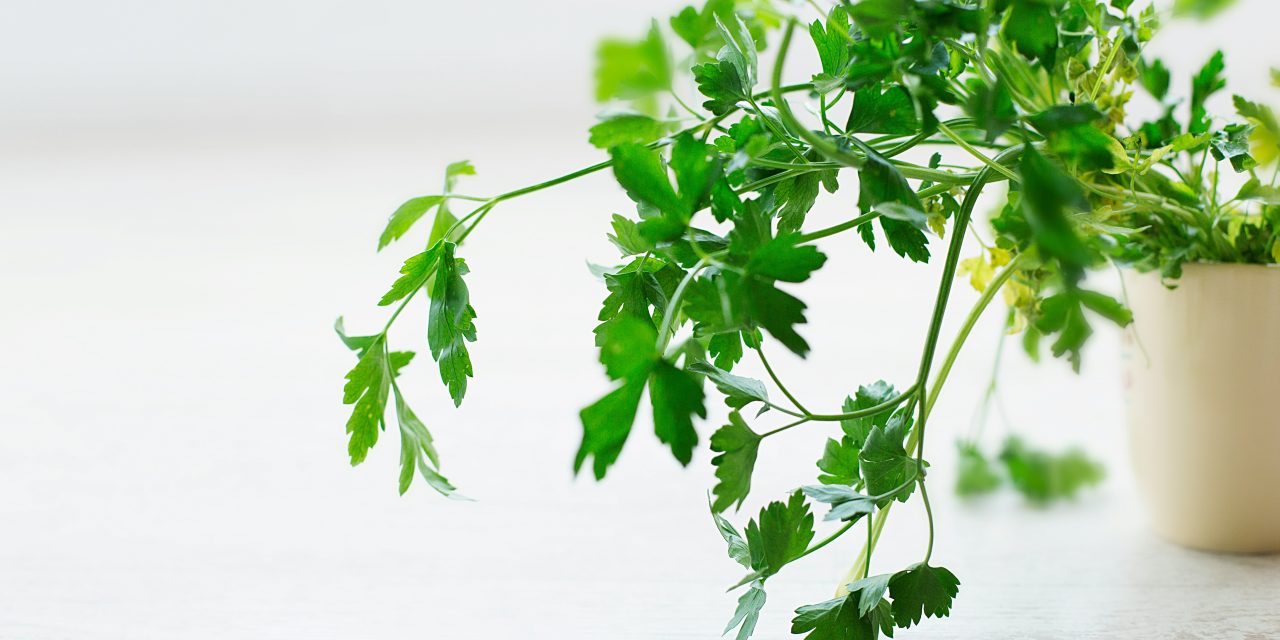
Selecting fresh cilantro at the grocery store is a critical step in ensuring the quality of your culinary creations. When shopping for cilantro, look for vibrant green leaves that are free from blemishes or discoloration. The stems should be firm and crisp, indicating that the herb has been recently harvested. Avoid bunches that exhibit yellowing or wilting, as these are signs of age and reduced flavor potency.
Additionally, consider the aroma of the cilantro; fresh herbs should emit a strong, pleasant scent. If possible, purchase organic cilantro to minimize exposure to pesticides and chemicals. When buying pre-packaged cilantro, check the expiration date and inspect for any signs of moisture inside the packaging, which can lead to premature spoilage. By choosing high-quality cilantro, you set the foundation for flavorful dishes and enhance your culinary experience.
Properly Washing Cilantro Before Storage

Before storing cilantro, it is essential to wash it thoroughly to remove any dirt or contaminants that may be present on the leaves. Begin by filling a large bowl with cold water and submerging the cilantro bunch. Gently agitate the leaves to dislodge any soil particles. After a few minutes, lift the cilantro out of the water and transfer it to a colander for draining.
Once drained, rinse the cilantro under cold running water to ensure all residues are removed. Pat the leaves dry with a clean kitchen towel or use a salad spinner for efficient drying. Proper washing not only enhances the herb’s flavor but also reduces the risk of foodborne illnesses caused by bacteria or pesticides. Once cleaned and dried, cilantro is ready for storage using various methods that will help maintain its freshness.
Drying Cilantro to Prevent Spoilage

Drying cilantro is an effective method for preserving its flavor while extending its shelf life. This process involves removing moisture from the leaves, which inhibits bacterial growth and decay. There are several techniques for drying cilantro, including air drying, oven drying, and using a dehydrator.
Air drying is a simple method that requires tying cilantro bunches together and hanging them upside down in a well-ventilated area away from direct sunlight. This method can take several days but results in flavorful dried herbs that can be stored for months. Alternatively, oven drying involves spreading cilantro leaves on a baking sheet and placing them in an oven set to a low temperature (around 180°F or 82°C) until completely dry. A dehydrator offers a more controlled environment for drying herbs quickly and efficiently.
Storing Cilantro in the Refrigerator
Refrigeration is one of the most effective ways to prolong the freshness of cilantro. After washing and drying the herb, wrap it loosely in a damp paper towel to maintain moisture without causing excess humidity that leads to spoilage. Place the wrapped cilantro in a perforated plastic bag or an open container to allow airflow while preventing moisture buildup.
Store the cilantro in the crisper drawer of your refrigerator, where temperatures are slightly higher than other areas, providing an optimal environment for freshness. Regularly check on your stored cilantro for any signs of wilting or decay, and remove any damaged leaves promptly to prevent them from affecting the rest of the bunch.
Using the Paper Towel Method for Freshness
The paper towel method is a popular technique for keeping cilantro fresh for an extended period. This method involves wrapping the cleaned and dried cilantro in a slightly damp paper towel before placing it in a plastic bag or container. The moisture from the towel helps maintain humidity levels around the herb without creating an overly wet environment that promotes rot.
To implement this method effectively, ensure that the paper towel is not soaking wet; it should be just damp enough to provide moisture without saturating the leaves. This technique can keep cilantro fresh for up to two weeks when stored correctly in the refrigerator. Regularly check the paper towel for dryness and replace it if necessary to maintain optimal conditions.
Storing Cilantro in a Jar with Water
Another effective method for storing cilantro involves placing it upright in a jar with water, similar to how one would store fresh flowers. Begin by trimming about an inch off the stems at an angle to enhance water absorption. Fill a jar with enough water to cover the stems but not submerge the leaves.
Place the jar in the refrigerator with a loose plastic bag covering the leaves to create a humid environment while allowing airflow. This method can keep cilantro fresh for up to three weeks, as long as you change the water every few days to prevent bacterial growth. This technique not only preserves freshness but also allows you to enjoy vibrant green cilantro for longer periods.
Freezing Cilantro for Long-Term Use
Freezing cilantro is an excellent option for those who want to preserve its flavor for extended periods without compromising quality. To freeze cilantro effectively, start by washing and drying it thoroughly. Chop the leaves and stems into smaller pieces if desired, then place them in ice cube trays filled with water or olive oil.
Once frozen solid, transfer the cubes into airtight freezer bags or containers labeled with the date. This method allows you to conveniently add frozen cilantro directly into soups, stews, or sauces without thawing beforehand. Frozen cilantro can retain its flavor for up to six months when stored properly, making it an ideal solution for long-term use.
Using Airtight Containers and Bags
Utilizing airtight containers or resealable bags is crucial for maintaining cilantro’s freshness during storage. These containers create a barrier against air exposure, which can lead to oxidation and spoilage. When using bags, ensure they are sealed tightly after removing excess air to minimize exposure.
For optimal results, consider using vacuum-sealed bags that remove air entirely from the packaging. This method significantly extends shelf life by preventing moisture loss and preserving flavor compounds within the herb. Airtight containers should be kept in cool areas away from direct sunlight to further enhance preservation efforts.
Avoiding Common Mistakes That Cause Wilting
Several common mistakes can lead to wilting and spoilage of cilantro if not addressed properly. One prevalent issue is excessive moisture during storage; while some humidity is beneficial, too much can cause mold growth and decay. Ensure that any storage method used allows for adequate airflow while maintaining appropriate moisture levels.
Another mistake is neglecting regular checks on stored cilantro; failing to remove damaged leaves promptly can lead to rapid deterioration of the entire bunch. Additionally, exposing cilantro to ethylene-producing fruits such as apples or bananas can accelerate spoilage due to increased gas exposure. By being mindful of these factors, one can significantly reduce instances of wilting and prolong freshness.
Tips for Reviving Wilted Cilantro
If you find yourself with wilted cilantro despite your best efforts at storage, there are several techniques you can employ to revive it. Start by trimming the stems at an angle and placing them in a glass of cold water for about 30 minutes; this allows them to rehydrate effectively. Adding ice cubes or placing the glass in the refrigerator can enhance this process further.
Another method involves soaking wilted leaves in cold water mixed with a splash of vinegar or lemon juice for about 10 minutes before rinsing them under cold water again. This technique not only helps restore crispness but also adds a hint of flavor enhancement. While these methods may not fully restore severely wilted cilantro, they can significantly improve its texture and usability in culinary applications.
In summary, understanding how to properly select, wash, store, and preserve cilantro is essential for maximizing its shelf life and flavor potential in cooking applications. By implementing various storage techniques such as refrigeration methods, freezing options, and utilizing airtight containers, one can enjoy fresh cilantro long after purchase while minimizing waste and enhancing culinary experiences.
FAQs
What is the best way to store cilantro to keep it fresh?
The best way to store cilantro is to treat it like a bouquet of flowers. Trim the stems and place the cilantro in a jar or glass with water, covering the leaves loosely with a plastic bag. Store it in the refrigerator, changing the water every few days to keep it fresh.
Can cilantro be frozen for long-term storage?
Yes, cilantro can be frozen for long-term storage. You can chop the leaves and place them in ice cube trays filled with water or olive oil, then freeze them. Once frozen, transfer the cubes to a freezer bag for easy use in cooking.
How long does fresh cilantro typically last in the refrigerator?
Fresh cilantro typically lasts about 7 to 14 days in the refrigerator when stored properly. If stored in water like a bouquet, it may last longer, up to two weeks, depending on the freshness at the time of purchase.
Should cilantro be washed before storing?
It is recommended to wash cilantro just before use rather than before storing. Washing can introduce moisture that may lead to quicker spoilage. If you prefer to wash it beforehand, make sure to dry it thoroughly before storing.
What are some signs that cilantro has gone bad?
Signs that cilantro has gone bad include yellowing or wilting leaves, a slimy texture, and a strong, unpleasant odor. If you notice these signs, it is best to discard the cilantro to avoid any food safety issues.