Flour is a fundamental ingredient in countless culinary applications, serving as the backbone for baked goods, sauces, and various dishes. The diversity of flour types is vast, each possessing unique properties that cater to specific recipes and cooking techniques. The most common varieties include all-purpose flour, bread flour, cake flour, whole wheat flour, and specialty flours such as almond and coconut flour.
All-purpose flour is a versatile choice, suitable for a wide range of recipes from cookies to bread. It typically contains a moderate protein content, around 10-12%, which provides a balance between tenderness and structure. Bread flour, on the other hand, boasts a higher protein content (approximately 12-14%), making it ideal for yeast-based recipes that require strong gluten development. Cake flour, with its lower protein content (about 7-9%), is finely milled to create delicate textures in cakes and pastries. Whole wheat flour incorporates the entire grain, offering more fiber and nutrients but requiring adjustments in hydration due to its higher absorption capacity.
Specialty flours, such as almond or coconut flour, cater to specific dietary needs or preferences. Almond flour is gluten-free and rich in healthy fats, while coconut flour is high in fiber and absorbs moisture differently than traditional flours. Understanding these distinctions is crucial for achieving desired results in baking and cooking.
Factors Affecting Flour Shelf Life
The shelf life of flour is influenced by several factors, including its type, storage conditions, and exposure to environmental elements. The primary components that determine how long flour remains usable are moisture content, light exposure, and temperature. Flour with higher fat content, such as whole grain or nut flours, tends to have a shorter shelf life due to the oils becoming rancid over time.
Moisture is a critical factor; flour should be kept dry to prevent mold growth and spoilage. Exposure to light can also degrade the quality of flour by causing oxidation, which affects flavor and nutritional value. Temperature plays a significant role as well; warmer environments can accelerate the deterioration of flour, while cooler conditions can help maintain its freshness.
Additionally, the packaging of flour can impact its longevity. Flour stored in paper bags may not last as long as those kept in airtight containers. Understanding these factors can help consumers make informed decisions about purchasing and storing flour.
Typical Pantry Storage Duration for All-Purpose Flour

All-purpose flour is a staple in many kitchens due to its versatility and ease of use. When stored properly in a cool, dry place away from direct sunlight, all-purpose flour can maintain its quality for approximately 6 to 12 months past its printed expiration date. However, this duration can vary based on storage conditions and the initial quality of the flour.
To maximize freshness, it is advisable to keep all-purpose flour in an airtight container after opening the original packaging. This practice minimizes exposure to air and moisture, which can lead to spoilage. Regularly checking the flour for any signs of deterioration can also help ensure that it remains suitable for use.
Shelf Life of Whole Wheat and Other Whole Grain Flours

Whole wheat flour and other whole grain flours have a shorter shelf life compared to their refined counterparts due to their higher oil content from the bran and germ. Typically, whole wheat flour can last for about 3 to 6 months when stored in optimal conditions. The presence of natural oils makes it more susceptible to rancidity, which can significantly affect flavor and usability.
Other whole grain flours, such as spelt or rye flour, also exhibit similar shelf life characteristics. These flours should be stored in airtight containers in a cool environment to prolong their freshness. For those who purchase whole grain flours in bulk or do not use them frequently, refrigeration or freezing may be beneficial options to extend their usability.
How Temperature and Humidity Impact Flour Longevity
Temperature and humidity are critical environmental factors that significantly influence the longevity of flour. High humidity levels can introduce moisture into the flour, leading to clumping and potential mold growth. Conversely, low humidity environments can cause flour to dry out excessively, affecting its baking properties.
Temperature fluctuations can also impact flour quality; warmer temperatures accelerate the degradation of fats within the flour. Ideally, flour should be stored at temperatures below 70°F (21°C) to maintain optimal freshness. In humid climates or during warmer months, refrigeration may be necessary to prevent spoilage.
Signs Your Flour Has Gone Bad
Identifying spoiled flour is essential for maintaining quality in cooking and baking. Several indicators can signal that flour has gone bad. The most apparent sign is an off or rancid odor; fresh flour should have a neutral scent. If the flour emits a sour or musty smell, it is likely no longer suitable for use.
Another sign of spoilage is the presence of discoloration or clumping within the flour. Fresh flour should appear light and powdery; any dark spots or lumps may indicate moisture absorption or pest infestation. Additionally, if you notice any signs of mold or insect activity, it is crucial to discard the affected flour immediately.
Proper Storage Techniques to Extend Flour Freshness
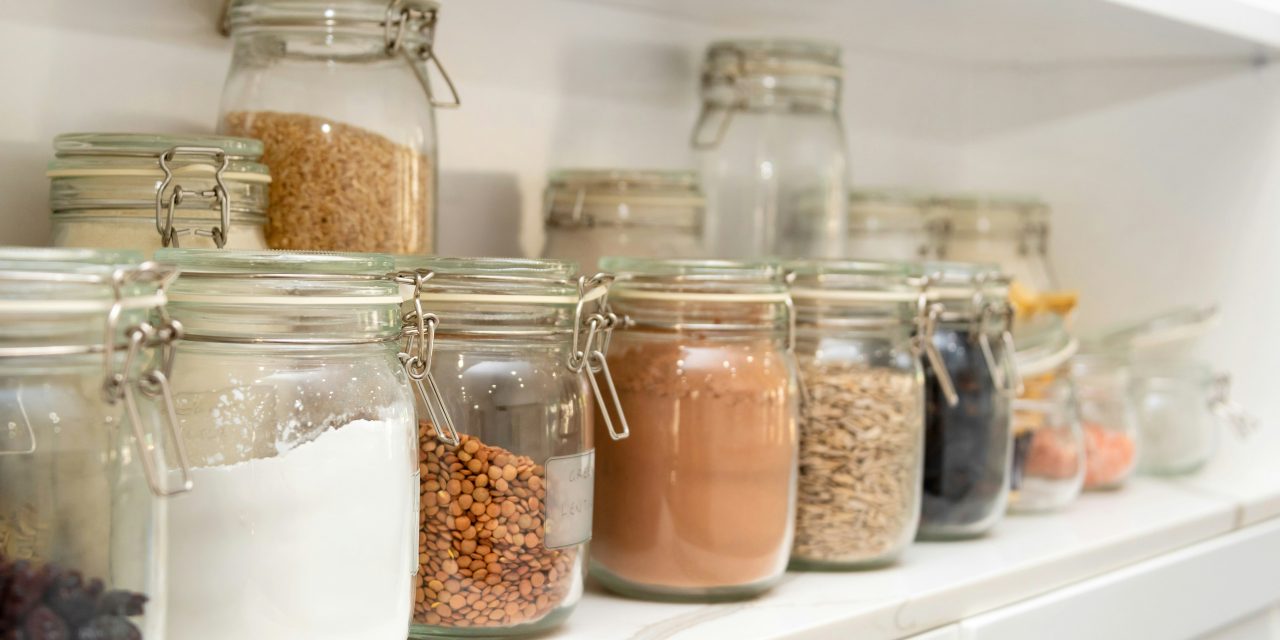
To extend the freshness of flour effectively, proper storage techniques are paramount. First and foremost, transferring opened bags of flour into airtight containers helps protect against moisture and pests. Glass or plastic containers with tight-fitting lids are ideal choices for maintaining an optimal environment.
Storing flour in a cool, dark place away from heat sources is also essential. A pantry or cupboard that remains consistently cool will help preserve the quality of the flour over time. For those living in humid climates or using whole grain flours frequently, refrigeration or freezing may be beneficial options.
Using Airtight Containers for Flour Preservation
Airtight containers are invaluable for preserving the quality of flour over extended periods. These containers prevent air exposure that can lead to oxidation and spoilage while also keeping out moisture and pests. When selecting an airtight container for flour storage, consider options made from glass or BPA-free plastic that are easy to clean and maintain.
Labeling containers with purchase dates can also aid in managing inventory effectively. This practice allows users to track how long the flour has been stored and ensures that older products are used first. By utilizing airtight containers strategically, consumers can significantly prolong the shelf life of their flours.
Can You Freeze Flour to Prolong Its Shelf Life?
Freezing flour is an effective method for extending its shelf life significantly beyond typical pantry storage durations. When properly sealed in airtight bags or containers, most types of flour can be frozen for up to one year without compromising quality. This technique is particularly beneficial for whole grain flours that are more prone to rancidity due to their higher oil content.
Before freezing, it is advisable to portion out the desired amounts into smaller bags or containers for convenience when thawing later on. To prevent condensation from forming when removing frozen flour from the freezer, allow it to come to room temperature before opening the container.
Differences Between Pantry and Refrigerator Storage
The choice between pantry storage and refrigeration largely depends on the type of flour being stored and individual usage patterns. Pantry storage is suitable for all-purpose flour and other refined flours that are used frequently within a few months. These flours can maintain their quality effectively when kept in airtight containers away from heat and light.
Conversely, whole grain flours benefit from refrigeration due to their higher fat content and susceptibility to rancidity. Storing these flours in a refrigerator helps slow down the degradation process significantly. Ultimately, understanding the specific needs of different types of flours will guide consumers in making informed storage decisions.
Tips for Rotating and Managing Flour Inventory in Your Pantry
Managing flour inventory effectively ensures that older products are used before newer ones, minimizing waste and maintaining quality in cooking and baking endeavors. One practical approach is implementing a first-in-first-out (FIFO) system where older bags are placed at the front of the pantry while newer purchases are stored behind them.
Regularly checking expiration dates on stored flours can also help maintain an organized inventory system. Keeping a list of purchased flours along with their respective expiration dates can serve as a helpful reminder for usage timelines. Additionally, maintaining cleanliness within the storage area prevents cross-contamination from other food items.
In summary, understanding different types of flour and their respective shelf lives is crucial for effective kitchen management. Factors such as temperature, humidity, and proper storage techniques play significant roles in preserving freshness over time. By recognizing signs of spoilage and employing effective inventory management strategies, consumers can ensure they always have high-quality ingredients on hand for their culinary creations.
FAQs
How long does all-purpose flour last in the pantry?
All-purpose flour typically lasts for about 1 year when stored in a cool, dry place in the pantry. If kept in an airtight container, it can maintain its quality for a longer period, up to 18 months.
Does whole wheat flour have a shorter shelf life than all-purpose flour?
Yes, whole wheat flour has a shorter shelf life than all-purpose flour. It generally lasts about 3 to 6 months in the pantry due to its higher oil content, which can lead to rancidity.
How can you tell if flour has gone bad?
You can tell if flour has gone bad by checking for an off smell, discoloration, or the presence of insects or mold. Fresh flour should have a neutral, slightly nutty aroma.
Can flour be stored in the freezer to extend its shelf life?
Yes, flour can be stored in the freezer to extend its shelf life. When properly sealed in an airtight container, it can last for up to 2 years in the freezer without losing quality.
Is it safe to use flour past its expiration date?
While flour may still be safe to use past its expiration date, its quality may decline. It’s important to check for any signs of spoilage before using it in recipes.