Food safety is a critical aspect of public health that encompasses various practices aimed at preventing foodborne illnesses. With the increasing prevalence of foodborne pathogens, understanding the nuances of food safety has never been more essential. The Centers for Disease Control and Prevention (CDC) estimates that approximately 48 million people in the United States experience foodborne illnesses annually, leading to 128,000 hospitalizations and 3,000 deaths. These alarming statistics underscore the importance of proper food handling, storage, and consumption practices.
One common scenario that raises significant food safety concerns is leaving food out overnight. Many individuals may question whether their leftovers are still safe to consume after being left unrefrigerated for an extended period. This article delves into the science behind food spoilage, the role of temperature in bacterial growth, and best practices for ensuring food safety. By understanding these factors, consumers can make informed decisions about their food and reduce the risk of foodborne illnesses.
What Happens to Food When Left Out Overnight?
When food is left out overnight, it undergoes various biochemical and microbiological changes that can compromise its safety. The primary concern is the proliferation of bacteria, which can multiply rapidly under favorable conditions. As food sits at room temperature, enzymes and microorganisms present in the food begin to break down its structure, leading to spoilage. This process can result in off-flavors, unpleasant odors, and changes in texture.
Moreover, certain foods are more susceptible to spoilage than others due to their composition. For instance, protein-rich foods such as meat, poultry, and dairy products are particularly vulnerable to bacterial growth when left unrefrigerated. The degradation of these foods can lead to the production of harmful toxins that may not be destroyed even through cooking. Therefore, understanding the implications of leaving food out overnight is crucial for maintaining food safety.
The Role of Temperature in Food Spoilage

Temperature plays a pivotal role in the spoilage of food. Microorganisms thrive within specific temperature ranges, and understanding these ranges is essential for preventing foodborne illnesses. The ideal temperature for bacterial growth typically falls between 40°F (4°C) and 140°F (60°C), a range often referred to as the “danger zone.” Within this temperature range, bacteria can double in number every 20 minutes, leading to exponential growth.
Conversely, refrigeration slows down bacterial growth significantly. Keeping food at temperatures below 40°F (4°C) inhibits the proliferation of most pathogens, while cooking food to an internal temperature of at least 165°F (74°C) effectively kills harmful bacteria. Therefore, maintaining appropriate temperatures during storage and preparation is vital for ensuring food safety.
Types of Foods Most at Risk

Certain types of foods are inherently more susceptible to spoilage when left out overnight. High-protein foods such as meat, poultry, seafood, eggs, and dairy products are particularly at risk due to their nutrient-rich environments that promote bacterial growth. Additionally, cooked rice and pasta can also harbor bacteria if not stored properly.
Fruits and vegetables, while generally safer than protein-rich foods, can still pose risks if they are cut or peeled. For example, sliced melons or tomatoes can become breeding grounds for pathogens if left unrefrigerated. Understanding which foods are most at risk allows consumers to take proactive measures in safeguarding their health.
Bacteria and Pathogens That Grow on Leftover Food
Several types of bacteria and pathogens can proliferate on leftover food left out overnight. Among the most notorious are Salmonella, Escherichia coli (E. coli), Listeria monocytogenes, and Staphylococcus aureus. Each of these pathogens can cause severe gastrointestinal illnesses characterized by symptoms such as nausea, vomiting, diarrhea, and abdominal cramps.
Salmonella is commonly associated with undercooked poultry and eggs but can also contaminate a variety of foods. E. coli is often linked to undercooked beef and contaminated produce. Listeria monocytogenes poses a particular risk for pregnant women and individuals with weakened immune systems, as it can lead to severe complications. Staphylococcus aureus is notable for producing heat-stable toxins that can survive cooking processes, making it particularly dangerous in improperly stored foods.
The “Danger Zone”: Temperature Range for Bacterial Growth
The “danger zone” refers to the temperature range between 40°F (4°C) and 140°F (60°C), where bacteria thrive and multiply rapidly. Within this range, pathogens can double in number every 20 minutes under optimal conditions. This rapid growth can lead to significant increases in bacterial populations within just a few hours.
To mitigate the risks associated with the danger zone, it is crucial to minimize the time that perishable foods spend within this temperature range. The USDA recommends that perishable foods should not be left out for more than two hours at room temperature; however, this time frame decreases to just one hour if the ambient temperature exceeds 90°F (32°C). Understanding this critical temperature range is essential for preventing foodborne illnesses.
How Long Is Too Long? Safe Time Limits for Leaving Food Out
Determining how long food can safely remain unrefrigerated is vital for preventing spoilage and illness. As a general guideline, perishable foods should not be left out at room temperature for more than two hours. If the temperature exceeds 90°F (32°C), this limit decreases to one hour.
Certain factors can influence these time limits, including the type of food, its composition, and environmental conditions. For example, cooked meats or dairy products may spoil more quickly than dry goods like bread or crackers. It is essential to err on the side of caution when assessing the safety of leftover food; if there is any doubt about its edibility after being left out overnight, it is best to discard it.
Signs That Food Left Out Overnight Is Unsafe to Eat
Identifying signs of spoilage is crucial for determining whether leftover food is safe for consumption after being left out overnight. Common indicators include changes in color, texture, or odor. For instance, meat may develop a slimy texture or an off-putting smell when spoiled. Dairy products may separate or curdle, while cooked vegetables may appear wilted or discolored.
Additionally, mold growth is a clear sign that food has gone bad and should not be consumed. Even if only a small area shows signs of mold, it is advisable to discard the entire item since mold can produce mycotoxins that are harmful if ingested. Being vigilant about these signs can help prevent potential health risks associated with consuming spoiled food.
Exceptions: Foods That May Still Be Safe After Overnight Exposure
While many foods pose risks when left out overnight, some exceptions exist where certain items may still be safe for consumption. For example, hard cheeses like cheddar or gouda have lower moisture content and are less prone to bacterial growth compared to soft cheeses like ricotta or cream cheese.
Similarly, certain fruits such as apples or bananas can remain safe after being left out overnight due to their natural protective coatings and lower susceptibility to spoilage. However, it is essential to assess each item individually based on its characteristics and storage conditions before deciding whether it is safe to eat.
Best Practices for Storing Leftover Food Safely
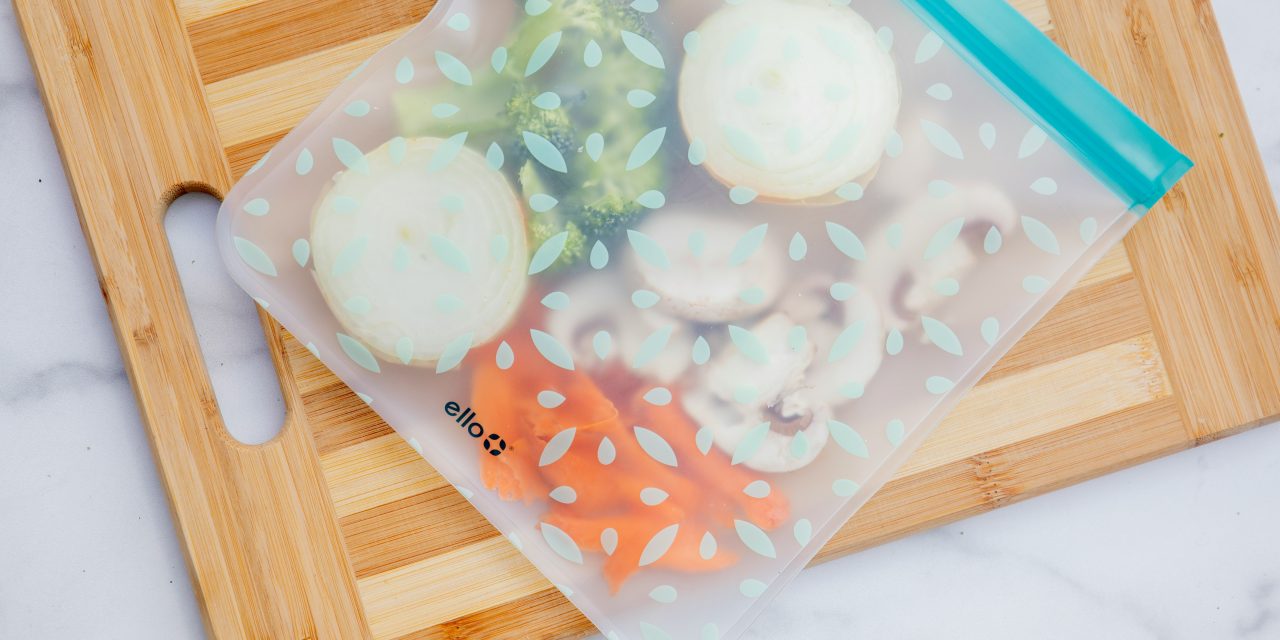
To ensure the safety of leftover food, implementing best practices for storage is paramount. First and foremost, promptly refrigerate leftovers within two hours of cooking or serving them. Use airtight containers to minimize exposure to air and moisture that can promote spoilage.
Label containers with dates to keep track of how long items have been stored in the refrigerator. Consume leftovers within three to four days for optimal safety and quality. Additionally, reheating leftovers should involve bringing them to an internal temperature of at least 165°F (74°C) to eliminate any potential pathogens.
When to Toss and When It’s Okay to Eat Leftover Food
In conclusion, understanding food safety concerns related to leaving food out overnight is essential for preventing foodborne illnesses. By recognizing the factors that contribute to spoilage—such as temperature control and types of foods at risk—individuals can make informed decisions about their leftovers.
When in doubt about the safety of leftover food after being left out overnight, it is always better to err on the side of caution and discard it rather than risk potential health issues. Implementing best practices for storing leftovers safely will help ensure that meals remain enjoyable and safe for consumption.
In summary, maintaining awareness of proper food handling techniques can significantly reduce the risk of foodborne illnesses while allowing individuals to enjoy their meals with confidence.
FAQs
What is the general guideline for leaving food out at room temperature?
The general guideline is that perishable foods should not be left out at room temperature for more than two hours. If the temperature is above 90°F (32°C), this time is reduced to just one hour. After these time frames, the risk of bacterial growth increases significantly, making the food unsafe to eat.
What types of food are considered perishable?
Perishable foods include items that can spoil quickly if not refrigerated, such as meat, poultry, fish, dairy products, eggs, cooked vegetables, and cut fruits. These foods are more susceptible to bacterial growth when left out at room temperature.
What are the risks of eating food left out overnight?
Eating food that has been left out overnight can pose serious health risks, including foodborne illnesses caused by bacteria such as Salmonella, E. coli, and Listeria. These bacteria can multiply rapidly at room temperature, leading to potential symptoms like nausea, vomiting, diarrhea, and abdominal cramps.
Can food be safely reheated after being left out overnight?
It is not recommended to reheat food that has been left out overnight, as reheating does not eliminate all bacteria or toxins that may have developed. The safest practice is to discard any perishable food that has been left out for more than two hours to avoid the risk of foodborne illness.
Are there any exceptions to the rule about leaving food out?
While the two-hour rule is a standard guideline, some foods, such as certain baked goods or dry snacks, may be safe to leave out for longer periods. However, it is always best to err on the side of caution and refrigerate perishable items to ensure food safety.