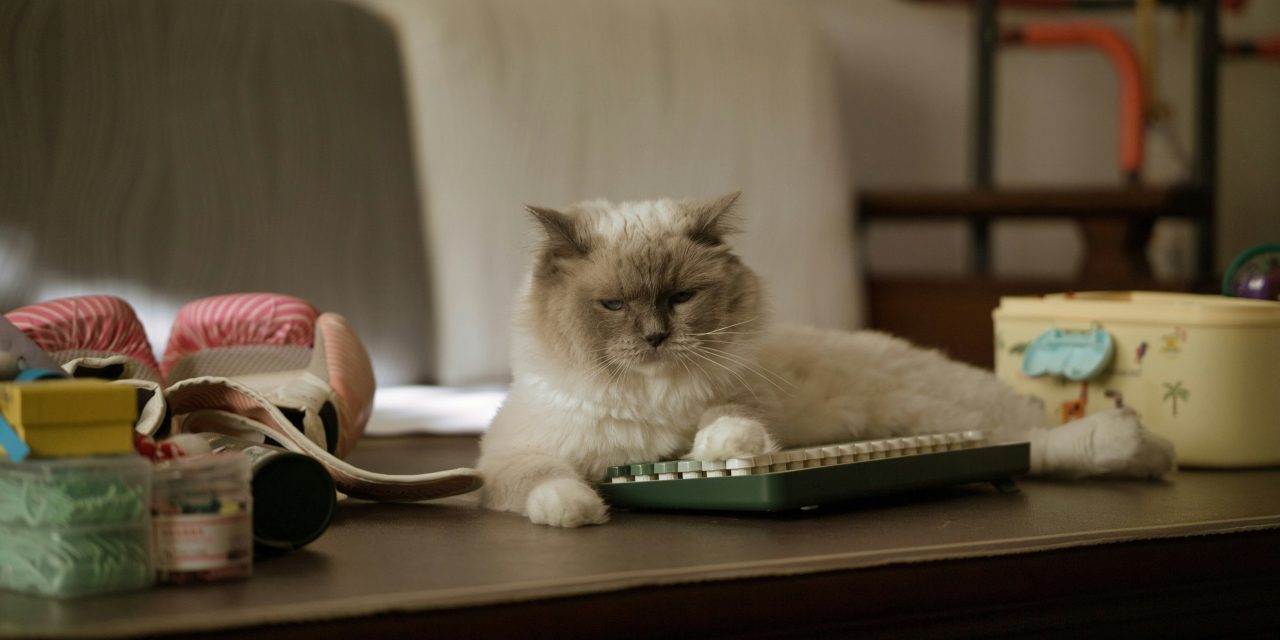
Ragdoll cats are renowned for their striking appearance, characterized by their semi-long, silky fur that is both luxurious and captivating. This breed possesses a unique coat structure that consists of three distinct layers: the undercoat, the awn hair, and the guard hair. The undercoat is soft and fluffy, providing insulation, while the awn hair is longer and serves as a protective layer. The guard hair, being the longest, gives Ragdolls their signature silky texture and sheen. This combination not only enhances their aesthetic appeal but also requires specific grooming practices to maintain its health and beauty.
The coloration of Ragdoll cats is equally fascinating, as they exhibit a variety of patterns including colorpoint, mitted, and bicolor. Their coats can come in an array of colors such as blue, chocolate, lilac, and cream. The unique genetic makeup of Ragdolls contributes to their striking appearance, with the colorpoint pattern being particularly notable as it results in darker extremities contrasted against a lighter body. Understanding these characteristics is essential for any Ragdoll owner, as it lays the foundation for effective grooming and care.
Essential Grooming Tools for Ragdoll Cats
To maintain the luxurious coat of a Ragdoll cat, specific grooming tools are indispensable. A high-quality slicker brush is essential for removing loose fur and preventing mats. The fine bristles penetrate deep into the coat, effectively detangling while also stimulating the skin to promote healthy oil distribution. Additionally, a wide-toothed comb is beneficial for addressing any knots or tangles that may form, particularly in areas prone to matting such as behind the ears and under the arms.
Another vital tool is a grooming glove, which can be used to gently remove loose hair while providing a comforting massage for your feline companion. This tool is particularly useful for Ragdolls who may be sensitive to traditional brushes. Lastly, a pair of scissors designed for pet grooming can be handy for trimming any stubborn mats or uneven fur. Investing in these tools not only enhances the grooming experience but also contributes to the overall well-being of your Ragdoll.
How Often to Brush Your Ragdoll’s Fur

The frequency of brushing your Ragdoll cat’s fur is crucial in maintaining its health and preventing matting. Ideally, Ragdolls should be brushed at least two to three times a week. This regular grooming schedule helps to remove loose hair, dirt, and debris while also distributing natural oils throughout the coat. During shedding seasons, which typically occur in spring and fall, it may be necessary to increase brushing frequency to daily sessions to manage the increased amount of loose fur.
In addition to regular brushing, it is essential to monitor your cat’s coat condition closely. If you notice any signs of matting or tangling, it may be necessary to adjust your grooming routine accordingly. By establishing a consistent brushing schedule tailored to your Ragdoll’s needs, you can ensure that their coat remains healthy and free from mats.
Step-by-Step Guide to Brushing a Ragdoll Cat

Brushing a Ragdoll cat can be a rewarding experience when approached with care and patience. Begin by selecting a quiet and comfortable space where your cat feels secure. Start by gently petting your Ragdoll to help them relax and acclimate to the grooming session. Once they are calm, introduce the slicker brush by lightly brushing along their back in the direction of hair growth.
Next, focus on areas that are prone to tangling, such as behind the ears and under the legs. Use the wide-toothed comb to carefully detangle any knots you encounter. If you come across a particularly stubborn mat, consider using your fingers to gently separate the fur before using the comb. Always be gentle and avoid pulling on the fur to prevent discomfort.
After brushing, reward your Ragdoll with treats or affection to create a positive association with grooming sessions. This will help them look forward to future grooming experiences and strengthen your bond with them.
Bathing Tips for Maintaining a Ragdoll’s Coat
While Ragdolls are generally good at self-grooming, occasional baths can help maintain their coat’s cleanliness and shine. It is recommended to bathe your Ragdoll every few months or as needed if they become particularly dirty or develop an odor. Before bathing, ensure you have all necessary supplies on hand: cat-specific shampoo, towels, and a non-slip mat for safety.
Begin by brushing your cat thoroughly to remove any loose fur or tangles before introducing them to water. Use lukewarm water and wet their coat gradually, avoiding their face initially. Apply a small amount of cat shampoo and lather gently, taking care not to get any soap in their eyes or ears. Rinse thoroughly until all shampoo is removed, as residue can irritate their skin.
After bathing, wrap your Ragdoll in a towel to absorb excess water before allowing them to air dry in a warm environment. Avoid using a hairdryer as the noise may frighten them. Regular bathing can help keep their coat clean and free from allergens while also providing an opportunity for bonding.
Managing Shedding and Loose Fur
Shedding is a natural process for all cats, including Ragdolls; however, managing loose fur effectively can minimize its impact on your home environment. Regular brushing is one of the most effective ways to control shedding by removing loose hairs before they fall onto furniture or clothing. During peak shedding seasons, consider using a de-shedding tool designed specifically for long-haired breeds.
In addition to brushing, maintaining a clean living space can help manage loose fur. Vacuuming regularly and using lint rollers on furniture can significantly reduce the amount of hair present in your home. Furthermore, providing designated resting areas with washable blankets can help contain shedding while making cleanup easier.
Another effective strategy is to invest in air purifiers equipped with HEPA filters that capture pet dander and hair particles from the air. This not only improves air quality but also reduces allergens associated with shedding.
Preventing and Treating Mats and Tangles
Mats and tangles can be particularly troublesome for Ragdoll cats due to their long fur; however, there are several strategies for prevention and treatment. Regular brushing is paramount in preventing mats from forming; focusing on high-risk areas such as behind the ears and underarms will help keep their coat tangle-free.
If you encounter mats despite regular grooming, it is essential to address them promptly before they worsen. For small tangles, use your fingers to gently separate the fur before employing a wide-toothed comb or slicker brush. For larger mats that cannot be easily removed, consider using blunt-tipped scissors to carefully cut them out—always exercise caution to avoid injuring your cat’s skin.
In severe cases where mats are extensive or close to the skin, seeking professional grooming assistance may be necessary. Groomers have specialized tools and techniques that can safely remove mats without causing discomfort to your pet.
Nutrition’s Role in a Healthy Ragdoll Coat
A well-balanced diet plays a crucial role in maintaining the health of your Ragdoll’s coat. High-quality cat food rich in essential fatty acids such as omega-3 and omega-6 promotes healthy skin and fur growth. These nutrients help maintain moisture levels in the skin while enhancing coat shine and reducing shedding.
Additionally, incorporating protein-rich foods into your cat’s diet supports overall health and vitality. Look for cat foods that list high-quality meat sources as the primary ingredient and avoid fillers such as corn or soy that provide little nutritional value.
Hydration is equally important; ensure your Ragdoll has access to fresh water at all times. Dehydration can lead to dry skin and dull fur, so consider providing wet food options or using water fountains that encourage drinking.
Identifying Skin Issues and When to See a Vet
Despite diligent grooming practices, Ragdolls may still experience skin issues that require veterinary attention. Common signs of skin problems include excessive scratching or biting at the skin, redness or inflammation, bald patches, or unusual odors emanating from the coat.
If you notice any of these symptoms persisting for more than a few days or worsening over time, it is crucial to consult with a veterinarian promptly. Skin conditions can arise from various causes including allergies, parasites such as fleas or mites, or underlying health issues that require diagnosis and treatment.
Regular veterinary check-ups can help identify potential skin problems early on before they escalate into more serious conditions requiring extensive treatment.
Seasonal Coat Care Adjustments
As seasons change, so do the grooming needs of your Ragdoll cat. During warmer months, shedding tends to increase as cats naturally lose their winter coats; therefore, more frequent brushing sessions are advisable during this time. This helps manage loose fur while keeping your home clean.
In contrast, during colder months when coats become thicker for insulation purposes, it may be necessary to adjust grooming routines accordingly. While daily brushing may not be required during this time, maintaining a consistent schedule will still help prevent matting.
Additionally, consider adjusting indoor humidity levels during winter months when heating systems can dry out air quality; using humidifiers can help maintain moisture levels in both your home environment and your cat’s skin.
Creating a Grooming Routine Your Ragdoll Will Enjoy
Establishing an enjoyable grooming routine for your Ragdoll cat requires patience and understanding of their preferences. Begin by choosing a quiet space free from distractions where your cat feels comfortable. Incorporate positive reinforcement techniques such as treats or praise during grooming sessions to create positive associations.
Start with short sessions initially—around five minutes—and gradually increase duration as your cat becomes accustomed to being groomed. Pay attention to their body language; if they seem anxious or agitated at any point during grooming sessions, take breaks or adjust techniques accordingly.
Consider incorporating playtime into grooming routines by using toys or interactive games between brushing sessions; this helps reinforce positive experiences associated with grooming while strengthening your bond with your feline companion.
In summary, caring for a Ragdoll cat’s unique coat requires understanding its structure and implementing effective grooming practices tailored specifically for this breed’s needs. Regular brushing with appropriate tools helps manage shedding while preventing mats and tangles from forming. Bathing occasionally maintains cleanliness while nutrition plays an essential role in promoting healthy skin and fur growth.
By recognizing signs of potential skin issues early on and adjusting grooming routines according to seasonal changes, owners can ensure their Ragdolls remain healthy and happy throughout their lives. Establishing enjoyable grooming routines fosters positive experiences that strengthen bonds between owners and their beloved feline companions.
FAQs
What is unique about a Ragdoll cat’s coat?
Ragdoll cats have a semi-long, silky coat that is known for its softness and luxurious texture. Their fur is less prone to matting compared to other long-haired breeds, but it still requires regular grooming to prevent tangles and to keep it healthy.
How often should I groom my Ragdoll cat?
It is recommended to groom your Ragdoll cat at least once a week. During shedding seasons, which typically occur in spring and fall, you may need to increase grooming to two to three times a week to manage loose fur and prevent matting.
What tools are best for grooming a Ragdoll cat?
Essential grooming tools for Ragdoll cats include a wide-toothed comb, a slicker brush, and a de-shedding tool. The wide-toothed comb helps to detangle any knots, while the slicker brush removes loose hair and debris. A de-shedding tool can be useful during shedding seasons.
How can I prevent matting in my Ragdoll cat’s coat?
To prevent matting, regularly brush your Ragdoll cat’s coat, focusing on areas prone to tangles, such as behind the ears and under the legs. Additionally, keeping your cat’s coat clean and free of debris will help minimize the risk of matting.
Should I bathe my Ragdoll cat, and if so, how often?
Bathing a Ragdoll cat is generally not necessary unless they get into something particularly dirty or smelly. If you do choose to bathe your cat, it is recommended to do so every few months, using a gentle cat shampoo to maintain the health of their coat and skin.