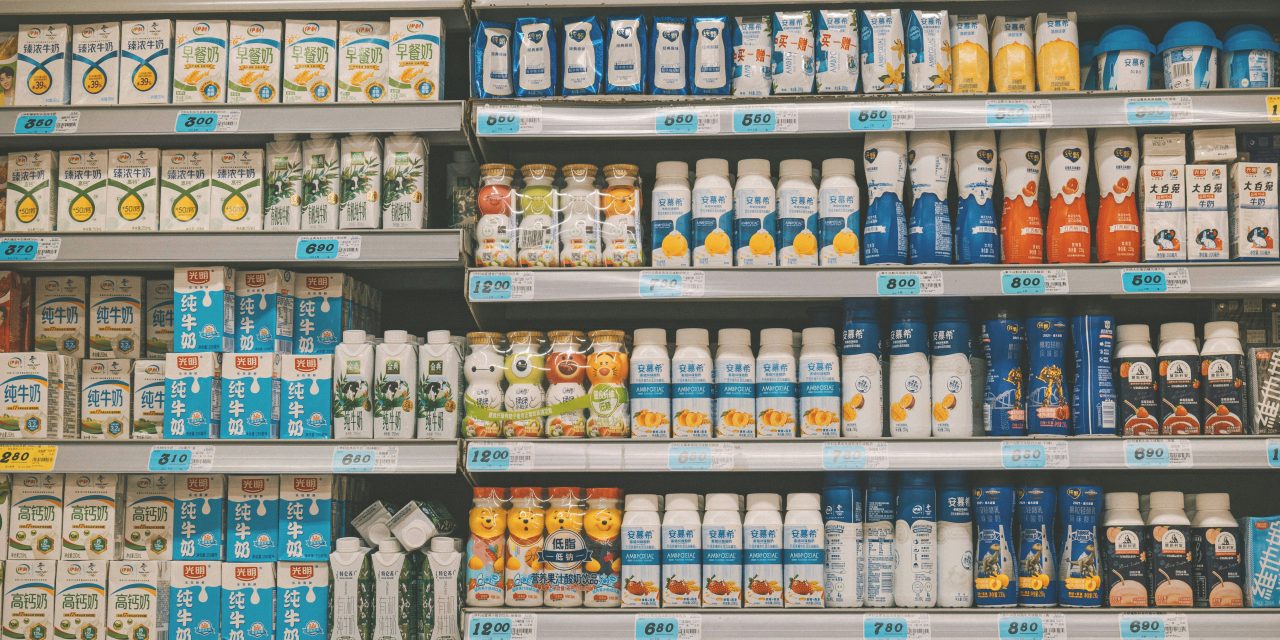
Expiration dates are critical indicators that inform consumers about the safety and quality of food products. These dates, often found on packaging, serve as guidelines for when a product is expected to maintain its optimal freshness and safety. However, the terminology surrounding expiration dates can be confusing. Terms such as “sell-by,” “best before,” and “use by” can lead to misunderstandings regarding food safety. Understanding these distinctions is essential for making informed decisions about food consumption and minimizing waste.
The significance of expiration dates extends beyond mere consumer convenience; it plays a vital role in public health. Consuming expired products can lead to foodborne illnesses, which affect millions of individuals annually. By comprehending the implications of these dates, consumers can better navigate their food choices, ensuring both safety and quality in their diets.
The Importance of Shelf Life Awareness
Shelf life awareness is paramount for maintaining food safety and reducing waste. The shelf life of a product is influenced by various factors, including storage conditions, packaging, and the nature of the food itself. For instance, perishable items like dairy and meat require specific temperature controls to prevent spoilage. Understanding these factors allows consumers to make informed decisions about when to consume or discard food items.
Moreover, awareness of shelf life can significantly impact household budgets. By recognizing which items have longer shelf lives and which should be consumed sooner, individuals can plan meals more effectively and reduce unnecessary expenditures on spoiled food. This proactive approach not only promotes health but also contributes to environmental sustainability by minimizing food waste.
Dairy Dangers: Milk and Cheese

Dairy products, such as milk and cheese, are staples in many households but require careful attention to expiration dates. Milk typically has a sell-by date that indicates when it should be consumed for optimal freshness. However, milk can often remain safe for consumption for several days past this date if stored correctly at or below 40°F (4°C). Signs of spoilage include an off smell, curdling, or changes in texture.
Cheese presents its own set of challenges regarding expiration. Hard cheeses tend to have a longer shelf life than soft cheeses due to their lower moisture content. While mold on hard cheese can often be cut away, soft cheeses should be discarded if mold appears, as they can harbor harmful bacteria. Understanding these nuances is crucial for preventing foodborne illnesses associated with dairy consumption.
Meat and Poultry: Freshness Matters

Meat and poultry are highly perishable items that require vigilant attention to expiration dates. Fresh meat typically has a sell-by date that indicates when it should be purchased for optimal quality. Ground meats, such as beef or turkey, have a shorter shelf life compared to whole cuts due to their increased surface area, which allows for bacterial growth.
Proper storage is essential for maintaining the freshness of meat and poultry. Refrigeration at temperatures below 40°F (4°C) is crucial, while freezing can extend shelf life significantly. However, even frozen meat should be consumed within a few months to ensure quality. Signs of spoilage include off odors, discoloration, and a slimy texture. Awareness of these indicators can help prevent serious health risks associated with consuming spoiled meat.
Seafood: Know When to Toss
Seafood is another category that demands careful consideration regarding expiration dates. Fish and shellfish are highly perishable and should ideally be consumed within one to two days of purchase if stored in the refrigerator. The sell-by date on seafood packaging serves as a guideline for freshness; however, sensory evaluation is equally important.
Fresh fish should have a mild scent, firm texture, and bright coloration. If the fish emits a strong odor or appears dull and slimy, it is best to discard it. Shellfish, such as shrimp or clams, should also be evaluated for freshness; any open shells that do not close when tapped indicate spoilage. Understanding these signs can help consumers avoid foodborne illnesses associated with seafood consumption.
Eggs: Beyond the Sell-By Date
Eggs are often considered a versatile staple in many kitchens, but their safety can be misunderstood due to sell-by dates. While eggs may have a sell-by date printed on the carton, they can remain safe for consumption for several weeks beyond this date if stored properly in the refrigerator.
To assess egg freshness, a simple water test can be employed: place the egg in a bowl of water; if it sinks and lays flat on the bottom, it is fresh; if it stands upright or floats, it should be discarded. Additionally, cracking an egg open can reveal its quality; fresh eggs have a firm white and a bright yolk, while older eggs may exhibit runny whites and dull yolks. Understanding these indicators can help consumers make informed decisions about egg consumption.
Bread and Baked Goods: Mold and Staleness
Bread and baked goods are prone to staleness and mold growth if not stored correctly. The expiration date on bread typically indicates when it will maintain its best quality; however, bread can often be consumed safely for several days beyond this date if no visible mold is present.
Mold can develop rapidly on bread due to moisture content; therefore, proper storage in a cool, dry place is essential. If mold is detected on bread or baked goods, it is advisable to discard the entire item rather than attempting to cut away the affected area, as mold spores can penetrate deeper than visible signs suggest. Awareness of these factors can help consumers enjoy baked goods safely while minimizing waste.
Canned Foods: When to Be Cautious
Canned foods offer convenience and long shelf life but require caution regarding expiration dates. While canned goods can last for years if stored in a cool, dry place, they are not immune to spoilage. The expiration date serves as a guideline for optimal quality rather than safety; however, cans that are bulging, rusted, or leaking should be discarded regardless of the date.
Once opened, canned foods should be transferred to airtight containers and refrigerated promptly to prevent spoilage. Signs of spoilage include off odors or changes in texture or color. Understanding these factors ensures that consumers can safely enjoy canned foods while minimizing health risks associated with spoiled items.
Fresh Produce: Identifying Spoilage
Fresh produce is essential for a balanced diet but requires careful monitoring regarding spoilage. Fruits and vegetables have varying shelf lives depending on their type; for instance, leafy greens tend to wilt quickly while root vegetables can last longer under proper storage conditions.
Signs of spoilage in fresh produce include discoloration, soft spots, or unpleasant odors. For example, apples may develop brown spots indicating overripeness, while leafy greens may become slimy when spoiled. Proper storage techniques—such as refrigeration for certain items—can extend the shelf life of fresh produce significantly. Awareness of these indicators helps consumers make informed decisions about their produce consumption.
Deli Meats: Hidden Risks
Deli meats are convenient options for sandwiches but pose hidden risks regarding expiration dates. These products often have sell-by dates that indicate when they should be consumed for optimal quality; however, they can harbor harmful bacteria if not stored correctly.
Once opened, deli meats should be consumed within three to five days for safety reasons. Signs of spoilage include off odors or changes in texture; any visible slime indicates that the product should be discarded immediately. Understanding these risks associated with deli meats is crucial for preventing foodborne illnesses linked to improper storage or consumption.
Leftovers: Safe Storage Tips
Leftovers are an excellent way to minimize food waste but require careful handling regarding expiration dates. Cooked foods should ideally be consumed within three to four days when stored in the refrigerator at temperatures below 40°F (4°C). Proper storage in airtight containers helps maintain freshness and prevent contamination.
When reheating leftovers, it is essential to ensure that they reach an internal temperature of 165°F (74°C) to eliminate any potential bacteria that may have developed during storage. Additionally, leftovers should not be left at room temperature for more than two hours to minimize the risk of spoilage. Awareness of these guidelines ensures that consumers can safely enjoy their leftovers while reducing waste.
Condiments: Expiration Myths Debunked
Condiments are often overlooked when considering expiration dates; however, they do have shelf lives that vary depending on their ingredients and storage conditions. Many condiments contain preservatives that extend their usability beyond the printed date; however, once opened, they should be consumed within a reasonable timeframe.
For example, ketchup may last up to six months after opening if stored in the refrigerator, while mayonnaise typically has a shorter shelf life due to its egg content. Signs of spoilage include off odors or changes in texture; any visible mold indicates that the product should be discarded immediately. Understanding these nuances helps consumers make informed decisions about condiment usage while minimizing waste.
Staying Safe and Reducing Waste
In conclusion, understanding expiration dates is crucial for ensuring food safety and reducing waste in households. By being aware of the nuances surrounding various food categories—such as dairy products, meats, seafood, eggs, baked goods, canned foods, fresh produce, deli meats, leftovers, and condiments—consumers can make informed decisions about their food consumption.
Implementing proper storage techniques and recognizing signs of spoilage are essential steps toward maintaining food safety while minimizing waste. By fostering awareness around expiration dates and shelf life considerations, individuals can contribute to healthier eating habits while promoting sustainability within their communities.
FAQs
What is shelf life?
Shelf life refers to the length of time that a product, particularly food or pharmaceuticals, remains usable, safe, and effective when stored under specified conditions. It is determined by factors such as the product’s composition, packaging, and storage environment.
How is shelf life determined?
Shelf life is determined through various methods, including stability testing, which assesses how a product’s quality changes over time under different conditions. Manufacturers conduct these tests to establish expiration dates and ensure safety and efficacy for consumers.
What factors can affect shelf life?
Several factors can affect shelf life, including temperature, humidity, light exposure, and the type of packaging used. Additionally, the presence of preservatives, the product’s pH level, and microbial contamination can also influence how long a product remains viable.
What is the difference between “best by,” “sell by,” and “use by” dates?
“Best by” dates indicate when a product is expected to be at its peak quality, while “sell by” dates are meant for retailers to manage inventory. “Use by” dates are the last date recommended for the use of the product while ensuring safety. These dates do not necessarily mean the product is unsafe after these dates, but quality may decline.
Can shelf life be extended?
Yes, shelf life can often be extended through proper storage techniques, such as keeping products in cool, dry places, using airtight containers, and minimizing exposure to light and air. Additionally, some products can be preserved through methods like freezing, canning, or vacuum sealing.