Freezer burn is a common phenomenon that occurs when food is improperly stored in a freezer, leading to dehydration and oxidation. This condition manifests as dry, discolored patches on the surface of frozen foods, often resulting in an unappetizing appearance and compromised flavor. The primary cause of freezer burn is exposure to air, which allows moisture to escape from the food. When food is not adequately sealed, the cold air in the freezer can cause ice crystals to form on the surface, leading to the degradation of texture and taste.
The effects of freezer burn can be detrimental to the quality of your meals. While it is generally safe to consume food that has been affected by freezer burn, the sensory attributes—such as taste, aroma, and texture—are significantly diminished. For instance, meats may become tough and chewy, while vegetables can lose their crispness and vibrant color. Understanding the causes and effects of freezer burn is crucial for anyone looking to maximize the quality of their frozen meals.
Choosing the Right Meal Prep Containers for Freezing
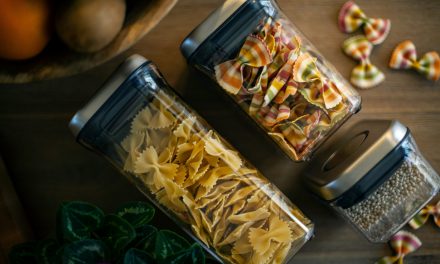
Selecting appropriate meal prep containers is essential for preserving the integrity of your frozen foods. Containers should be made from materials that can withstand low temperatures without cracking or breaking. Glass containers are an excellent choice due to their durability and non-reactive nature, while high-quality plastic containers designed specifically for freezing can also be effective. It is important to ensure that any container you choose is labeled as freezer-safe to avoid potential issues.
In addition to material considerations, the size and shape of containers play a significant role in effective meal prep. Opt for containers that are appropriately sized for individual portions or family meals, as this will facilitate easier thawing and reheating. Furthermore, consider stackable designs that maximize vertical space in your freezer, allowing for efficient organization. By investing in the right meal prep containers, you can significantly reduce the risk of freezer burn and maintain the quality of your meals.
Preparing Your Meals Properly Before Freezing

Proper meal preparation is vital for ensuring that your frozen dishes retain their flavor and nutritional value. Begin by selecting fresh ingredients, as the quality of your meals will directly impact their taste after freezing. Wash and chop vegetables, marinate proteins, and season dishes appropriately before cooking. Cooking methods such as steaming or blanching vegetables can help preserve their color and texture during freezing.
Once your meals are prepared, allow them to cool slightly before transferring them to containers. This step is crucial because placing hot food directly into the freezer can raise the temperature inside the appliance, potentially affecting other stored items. Additionally, rapid cooling helps prevent condensation from forming inside containers, which can contribute to freezer burn over time. By taking these preparatory steps seriously, you can enhance the overall quality of your frozen meals.
Cooling Meals Completely Before Freezing

Cooling meals completely before freezing is a critical step that should not be overlooked. When hot food is placed in a freezer, it can create steam that condenses into moisture inside the container. This excess moisture can lead to ice crystals forming on the food’s surface, ultimately resulting in freezer burn. To avoid this issue, allow cooked meals to cool at room temperature for no more than two hours before transferring them to the freezer.
For larger portions or dense dishes, consider using an ice bath or dividing the food into smaller portions to expedite the cooling process. This method not only reduces the risk of bacterial growth but also ensures that your meals freeze more evenly. By prioritizing proper cooling techniques, you can significantly enhance the longevity and quality of your frozen meals.
Portioning Meals for Optimal Freezing and Thawing
Portioning meals effectively is essential for both freezing and thawing processes. By dividing larger dishes into smaller servings, you can ensure that each portion thaws evenly and quickly, reducing the risk of uneven cooking during reheating. Additionally, smaller portions are more convenient for meal planning and help minimize food waste.
When portioning meals, consider using containers or bags that are appropriately sized for individual servings. This practice not only simplifies meal prep but also allows for greater flexibility when selecting meals throughout the week. Furthermore, portioning meals can help you adhere to dietary goals by controlling serving sizes and caloric intake.
Using Airtight Seals to Prevent Air Exposure
Utilizing airtight seals is one of the most effective strategies for preventing air exposure in frozen foods. Air exposure leads to oxidation and moisture loss, both of which contribute to freezer burn. When selecting containers or bags for freezing, ensure they come with secure lids or closures that create an airtight seal.
Vacuum-sealing is another excellent option for preserving food quality during freezing. This method removes air from bags before sealing them shut, significantly reducing the risk of freezer burn. Vacuum-sealed bags are particularly beneficial for meats and delicate items like berries, as they maintain freshness and flavor over extended periods.
Removing Excess Air from Containers and Bags
In addition to using airtight seals, removing excess air from containers and bags is crucial for maintaining food quality during freezing. When packing food into bags or containers, press out as much air as possible before sealing them shut. For vacuum-sealed bags, follow the manufacturer’s instructions to ensure optimal air removal.
For rigid containers, consider using a straw to suck out excess air before sealing the lid tightly. This technique can help create a tighter seal and minimize air exposure. By diligently removing excess air from your frozen meals, you can significantly extend their shelf life while preserving taste and texture.
Labeling and Dating Your Meal Prep Containers
Labeling and dating your meal prep containers is an essential practice that promotes organization and food safety in your freezer. Clearly marking each container with its contents and date of preparation allows you to keep track of what you have on hand and ensures that older items are consumed first.
Use waterproof markers or labels designed for freezer use to prevent smudging or fading over time. Include important information such as cooking instructions or any specific dietary notes that may be relevant when reheating meals. By implementing a labeling system, you can streamline meal planning while minimizing food waste.
Organizing Your Freezer for Efficient Storage
An organized freezer is key to maximizing storage space and ensuring easy access to your frozen meals. Begin by categorizing items based on type—such as proteins, vegetables, grains, and prepared meals—to facilitate quick retrieval when needed. Consider using bins or baskets to group similar items together while maintaining visibility.
Additionally, implement a first-in-first-out (FIFO) system by placing older items at the front of the freezer and newer items at the back. This practice helps prevent forgotten items from becoming freezer burnt over time. Regularly check your inventory and rotate items as necessary to maintain optimal organization within your freezer.
Thawing Frozen Meals Safely to Maintain Quality
Thawing frozen meals safely is crucial for preserving their quality and preventing foodborne illnesses. The safest method for thawing is in the refrigerator, where temperatures remain consistently cool—typically below 40°F (4°C). This method may take several hours or overnight but ensures that food remains at a safe temperature throughout the process.
Alternatively, you can use cold water thawing by placing sealed bags of food in a bowl of cold water, changing the water every 30 minutes until thawed. Microwave thawing is another option; however, it may lead to uneven heating if not monitored closely. Regardless of the method chosen, avoid thawing at room temperature as this increases the risk of bacterial growth.
Tips for Reheating Frozen Meals Without Compromising Taste
Reheating frozen meals without compromising taste requires careful attention to cooking methods and timing. For best results, use an oven or stovetop rather than a microwave whenever possible; these methods allow for more even heating and better texture retention. If using a microwave, cover dishes with a microwave-safe lid or wrap to trap steam while reheating.
Consider adding a splash of broth or water when reheating dishes that may have dried out during freezing; this will help restore moisture and enhance flavor. Stirring occasionally during reheating can also promote even warming throughout the dish. By following these tips, you can enjoy delicious frozen meals that taste just as good as when they were first prepared.
In summary, understanding freezer burn and its effects is essential for maintaining food quality during freezing processes. Choosing appropriate meal prep containers, preparing meals properly, cooling them completely before freezing, portioning effectively, using airtight seals, removing excess air from containers, labeling items accurately, organizing your freezer efficiently, thawing safely, and reheating thoughtfully are all critical components of successful meal prep strategies. By implementing these practices diligently, you can enjoy nutritious and flavorful frozen meals while minimizing waste and maximizing convenience in your culinary endeavors.
FAQs
What is freezer burn and how does it affect meal prep containers?
Freezer burn occurs when food is exposed to air in the freezer, leading to dehydration and oxidation. This results in dry spots, off-flavors, and a change in texture. Meal prep containers that are not properly sealed can allow air to enter, increasing the risk of freezer burn.
How can I prevent freezer burn when freezing meal prep containers?
To prevent freezer burn, ensure that your meal prep containers are airtight. Use containers with tight-fitting lids or vacuum-seal bags. Additionally, remove as much air as possible before sealing, and consider wrapping items in plastic wrap or aluminum foil for extra protection.
What types of containers are best for freezing meals?
Containers made of glass, BPA-free plastic, or silicone are ideal for freezing meals. They should be labeled as freezer-safe to withstand low temperatures without cracking or breaking. Avoid using regular plastic containers that may not hold up in the freezer.
Can I freeze cooked meals in meal prep containers?
Yes, you can freeze cooked meals in meal prep containers. Make sure the meals are cooled to room temperature before sealing them in containers. This helps prevent condensation, which can lead to ice crystals and freezer burn.
How long can I keep meal prep containers in the freezer?
Meal prep containers can typically be stored in the freezer for 3 to 6 months without significant loss of quality. However, for the best taste and texture, it’s recommended to consume them within the first 3 months.