Cheese is a beloved dairy product that has been enjoyed for centuries, celebrated for its diverse flavors, textures, and culinary versatility. From the creamy richness of Brie to the sharpness of aged Cheddar, cheese plays a pivotal role in various cuisines worldwide. However, cheese can be perishable, leading many to wonder about the efficacy of freezing as a preservation method. Freezing cheese can extend its shelf life significantly, but it is essential to understand the implications of this process on its quality.
Freezing involves lowering the temperature of food to below 0°F (-18°C), which halts microbial growth and enzymatic activity. While this method is effective for many food items, cheese presents unique challenges due to its complex composition of fats, proteins, and moisture. Understanding how freezing affects cheese is crucial for maintaining its desirable characteristics while maximizing its longevity.
Does Freezing Affect Cheese Texture and Flavor?
The impact of freezing on cheese is multifaceted, primarily affecting its texture and flavor profile. When cheese is frozen, the formation of ice crystals occurs within its structure. These ice crystals can disrupt the delicate protein matrix and fat globules, leading to changes in texture upon thawing. Soft cheeses, such as cream cheese or ricotta, may become grainy or crumbly, while harder varieties like Parmesan may retain their integrity better.
Flavor alterations can also occur during the freezing process. Some cheeses may lose their nuanced flavors or develop off-flavors due to oxidation or moisture loss. The extent of these changes often depends on the type of cheese and the duration of freezing. Therefore, understanding these effects is vital for anyone considering freezing cheese for later use.
Best Types of Cheese for Freezing

Certain cheeses are more amenable to freezing than others, making them ideal candidates for this preservation method. Hard cheeses such as Cheddar, Gouda, and Swiss are excellent choices due to their lower moisture content and robust structure. These cheeses tend to freeze well and maintain their flavor and texture after thawing.
Semi-hard cheeses like Gruyère and Havarti also perform admirably in the freezer. Their balanced moisture levels allow them to withstand freezing without significant degradation. Additionally, shredded or grated cheese varieties are particularly convenient for freezing, as they can be easily portioned and used in various recipes without thawing an entire block.
Cheeses That Are Not Ideal for Freezing

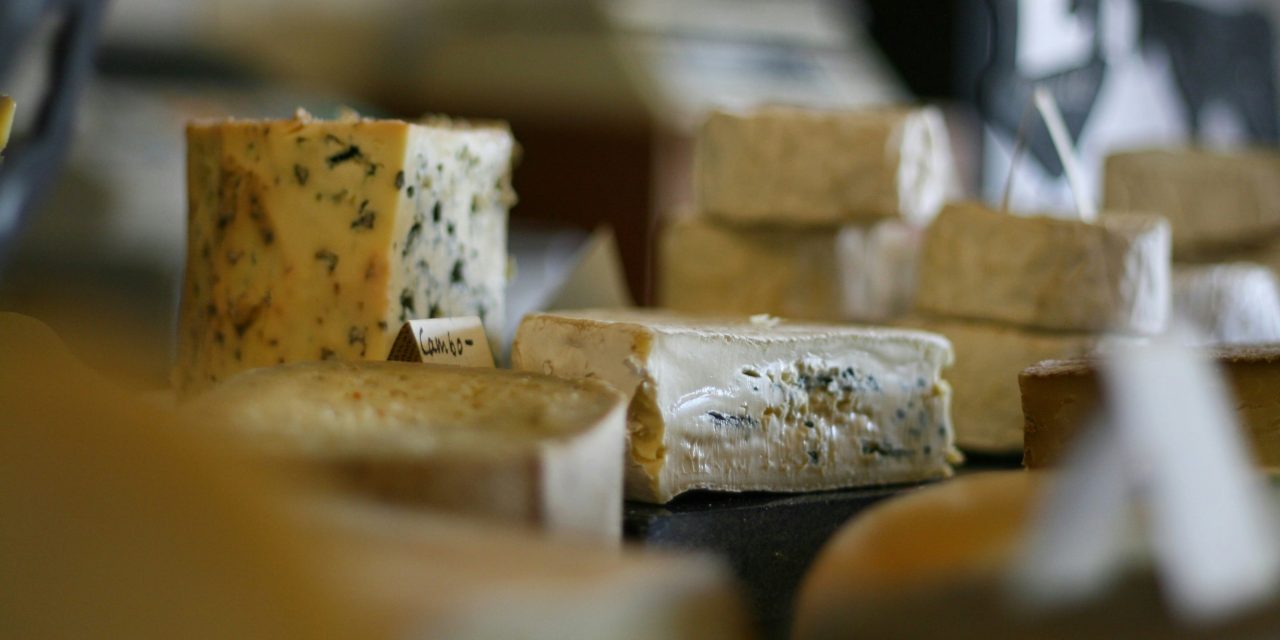
While some cheeses thrive in the freezer, others do not fare as well. Soft cheeses such as Brie, Camembert, and cottage cheese are generally not recommended for freezing due to their high moisture content and delicate structure. Upon thawing, these cheeses often become watery and lose their creamy texture.
Fresh cheeses like mozzarella and ricotta can also suffer from quality degradation when frozen. The freezing process can alter their texture, making them less palatable in dishes where their original consistency is desired. Additionally, blue cheeses may experience changes in flavor intensity that could detract from their unique profiles.
How to Properly Prepare Cheese for Freezing
Preparing cheese for freezing requires careful attention to detail to ensure optimal results. First, it is essential to cut the cheese into manageable portions that suit your intended use. Smaller pieces freeze more uniformly and thaw more quickly, reducing the risk of texture degradation.
Next, wrap each portion tightly in plastic wrap or aluminum foil to minimize exposure to air. This step is crucial in preventing freezer burn, which can adversely affect both flavor and texture. For added protection, consider placing the wrapped cheese in an airtight container or a resealable freezer bag to further shield it from moisture loss and odors.
Packaging Tips to Prevent Freezer Burn
Proper packaging is paramount when it comes to preserving the quality of frozen cheese. Freezer burn occurs when air comes into contact with the surface of the food, leading to dehydration and off-flavors. To prevent this phenomenon, ensure that all air is expelled from packaging before sealing.
Using vacuum-sealed bags is an excellent option for long-term storage, as they create an airtight environment that minimizes exposure to air. If vacuum sealing is not available, pressing out as much air as possible from resealable bags can also be effective. Labeling packages with the date of freezing will help you keep track of storage times and ensure you use older items first.
Recommended Freezing Duration for Different Cheeses
The duration for which cheese can be frozen varies depending on its type and moisture content. Hard cheeses like Cheddar and Parmesan can typically be frozen for up to six months without significant loss of quality. Semi-hard varieties such as Gouda may last slightly less time but still retain their flavor and texture well beyond three months.
Soft cheeses should ideally be consumed within one to two months of freezing to ensure optimal quality. Fresh cheeses like mozzarella should be used within one month to avoid undesirable changes in texture and flavor. Keeping track of these timeframes will help you enjoy your frozen cheese at its best.
Thawing Cheese: Best Practices
Thawing cheese requires careful consideration to preserve its quality post-freezing. The best practice is to transfer the cheese from the freezer to the refrigerator and allow it to thaw slowly over several hours or overnight. This gradual thawing process helps maintain texture and flavor integrity.
Avoid thawing cheese at room temperature or using a microwave, as these methods can lead to uneven thawing and undesirable changes in consistency. Once thawed, it is advisable to consume the cheese within a few days for optimal freshness.
Using Frozen Cheese in Cooking and Recipes
Frozen cheese can be a valuable ingredient in various culinary applications once properly thawed. Grated or shredded cheese can be added directly to dishes such as casseroles, soups, or pasta without needing thawing time. This convenience makes frozen cheese an excellent option for busy cooks looking to save time while still enjoying flavorful meals.
For recipes that require melted cheese, such as pizzas or quesadillas, frozen cheese can be used straight from the freezer without compromising quality. However, it is essential to note that some cheeses may not melt as smoothly after freezing; thus, testing different varieties in your recipes may yield varying results.
Common Mistakes to Avoid When Freezing Cheese
Several common pitfalls can undermine the effectiveness of freezing cheese if not avoided. One major mistake is failing to wrap cheese adequately before freezing; this oversight can lead to freezer burn and loss of flavor. Additionally, freezing large blocks of cheese without portioning them can result in wasted product when only small amounts are needed.
Another frequent error is neglecting proper labeling of frozen items; without dates on packages, it becomes challenging to track freshness and usage timelines. Lastly, thawing cheese improperly—such as at room temperature or in a microwave—can lead to undesirable textural changes that diminish quality.
Maximizing Cheese Freshness Through Freezing
In conclusion, freezing can be an effective method for extending the shelf life of various types of cheese while preserving their essential qualities when done correctly. Understanding how different cheeses respond to freezing allows consumers to make informed decisions about which varieties are suitable for this preservation method.
By following proper preparation techniques, packaging tips, and thawing practices, individuals can enjoy their favorite cheeses long after their initial purchase while minimizing waste. With careful attention to detail and awareness of common pitfalls, maximizing cheese freshness through freezing becomes an achievable goal for any cheese lover.
In summary, freezing offers a practical solution for extending the life of many cheeses while maintaining their flavor and texture when handled appropriately. By selecting suitable types of cheese for freezing and adhering to best practices throughout the process, culinary enthusiasts can continue enjoying their favorite dairy delights even after extended storage periods.
FAQs
Can all types of cheese be frozen?
No, not all types of cheese freeze well. Hard cheeses like cheddar, gouda, and parmesan tend to freeze better than soft cheeses like brie or cream cheese, which can become grainy or lose their texture after thawing.
How should cheese be prepared for freezing?
To freeze cheese effectively, it should be cut into smaller portions or shredded. Wrap it tightly in plastic wrap or aluminum foil, and then place it in an airtight container or freezer bag to prevent freezer burn.
How long can cheese be frozen?
Cheese can typically be frozen for up to 6 months without significant loss of quality. However, for the best flavor and texture, it is recommended to use it within 3 months.
Does freezing cheese affect its taste?
Freezing cheese can alter its texture, making it crumbly or grainy, especially in soft cheeses. However, the taste usually remains intact, and many people find that it still works well in cooked dishes.
What are the best types of cheese to freeze?
The best types of cheese to freeze include hard and semi-hard varieties such as cheddar, gouda, swiss, and mozzarella. These cheeses maintain their flavor and texture better after being frozen compared to softer cheeses.