Carbon monoxide (CO) is a colorless, odorless gas that poses a significant risk to human health. It is produced during the incomplete combustion of fossil fuels, which can occur in various household appliances such as furnaces, water heaters, and stoves. The importance of carbon monoxide detectors cannot be overstated; they serve as a critical line of defense against this silent killer. According to the Centers for Disease Control and Prevention (CDC), over 400 people die from unintentional CO poisoning each year in the United States alone. This statistic underscores the necessity of having functional detectors installed in homes and workplaces.
Carbon monoxide detectors function by continuously monitoring the air for elevated levels of CO. When dangerous concentrations are detected, these devices emit an audible alarm, alerting occupants to evacuate and seek fresh air. The National Fire Protection Association (NFPA) recommends installing CO detectors on every level of your home, particularly near sleeping areas. This proactive measure can significantly reduce the risk of CO poisoning and save lives.
Common Reasons Why Your Carbon Monoxide Detector Is Beeping
A carbon monoxide detector may emit a beeping sound for several reasons, each indicating a different level of urgency. One common cause is the presence of carbon monoxide itself. If the detector beeps continuously or in a pattern, it may signal that CO levels have reached a dangerous threshold, necessitating immediate action.
Another reason for beeping could be a low battery. Many detectors are designed to emit a chirping sound when their batteries are running low, serving as a reminder for homeowners to replace them promptly. Additionally, some models may beep intermittently to indicate that they require maintenance or have reached the end of their operational lifespan. Understanding these signals is crucial for ensuring safety and maintaining the functionality of your detector.
Immediate Safety Steps to Take When the Detector Beeps

When your carbon monoxide detector beeps, it is imperative to act swiftly and decisively. First and foremost, evacuate all occupants from the premises immediately. Ensure that everyone moves to an area with fresh air, such as outside or near an open window. Do not ignore the alarm; even if you suspect it may be a false alarm, it is better to err on the side of caution.
Once safely outside, call emergency services or your local fire department to report the alarm. They will have the necessary equipment to assess CO levels in your home and determine if there is an actual leak. While waiting for assistance, avoid re-entering the building until it has been deemed safe by professionals. Remember that carbon monoxide is highly toxic; exposure can lead to serious health complications or even death.
Distinguishing between a genuine carbon monoxide leak and a false alarm can be challenging but is essential for ensuring safety. A real leak typically occurs when there is a malfunction in fuel-burning appliances or inadequate ventilation systems. Symptoms of CO exposure may include headaches, dizziness, weakness, nausea, and confusion. If multiple occupants experience these symptoms simultaneously, it is likely indicative of a real threat.
On the other hand, false alarms can occur due to various factors such as high humidity, dust accumulation, or even certain household chemicals. If your detector beeps without any accompanying symptoms of CO poisoning, it may be worth checking for these potential triggers. However, never dismiss an alarm without taking appropriate safety measures; always prioritize human safety over assumptions.
Proper Ventilation and Evacuation Procedures

Proper ventilation is crucial in preventing carbon monoxide buildup within enclosed spaces. Ensure that all fuel-burning appliances are installed with adequate ventilation systems that allow for proper airflow. Regularly inspect chimneys and vents for blockages or damage that could impede exhaust flow. Additionally, avoid using generators or grills indoors, as these can produce harmful levels of CO.
In terms of evacuation procedures, establish a clear plan that includes designated meeting points outside your home where all occupants can gather after an alarm sounds. Practice this plan regularly so that everyone knows how to respond quickly and efficiently in case of an emergency. Familiarize yourself with the location of exits and ensure that they are unobstructed at all times.
Checking and Replacing Batteries in Your Detector
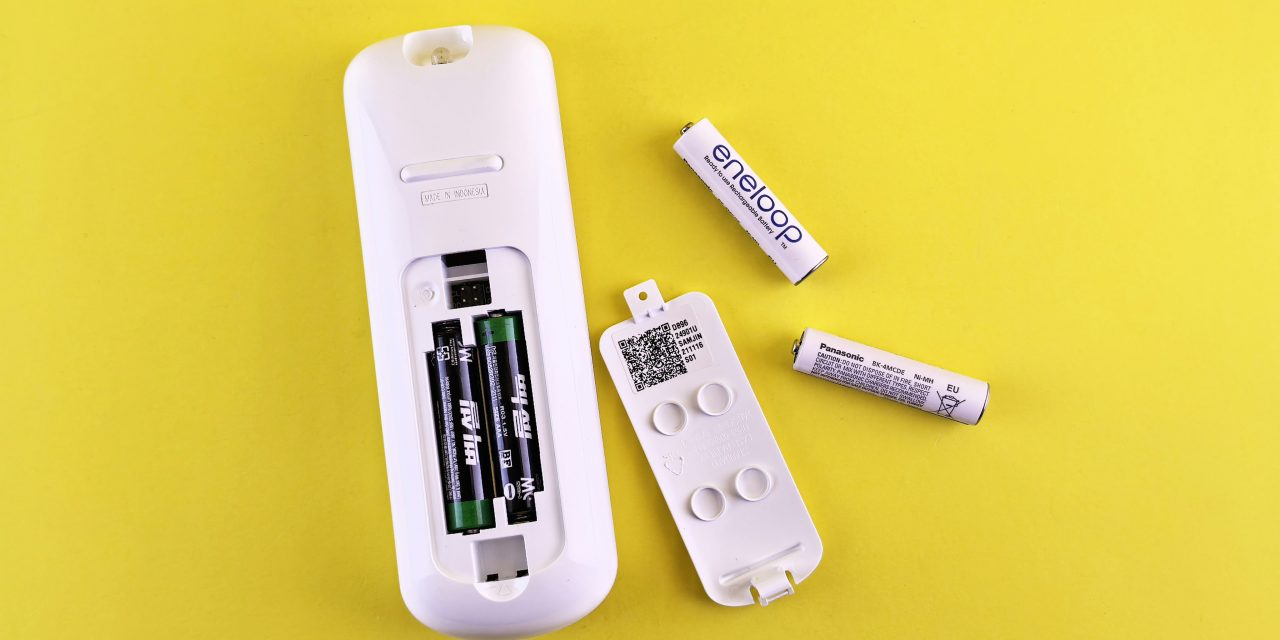
Regular maintenance of your carbon monoxide detector is essential for its optimal performance. One critical aspect of this maintenance involves checking and replacing batteries as needed. Most detectors require battery replacement at least once a year; however, some models may have longer-lasting batteries that can last up to ten years.
To check your detector’s batteries, press the test button on the unit to ensure it functions correctly. If the alarm sounds, the batteries are likely still operational; if not, replace them immediately with fresh batteries of the recommended type (usually 9-volt). Always follow manufacturer guidelines regarding battery replacement to ensure compatibility and effectiveness.
Inspecting the Detector for Malfunctions or End of Life
In addition to battery checks, regular inspections of your carbon monoxide detector are vital for identifying potential malfunctions or determining if it has reached its end of life. Most detectors have a lifespan of approximately 5 to 7 years; after this period, they should be replaced entirely.
During inspections, look for signs of wear and tear such as discoloration, cracks in the casing, or any unusual sounds when testing the device. If your detector has been exposed to excessive moisture or dust accumulation, clean it gently with a soft cloth or vacuum attachment designed for electronics. If you notice any irregularities or if the unit fails to respond during testing, replace it immediately.
When to Call Emergency Services for Carbon Monoxide Exposure
If you suspect carbon monoxide exposure due to an alarm sounding or experiencing symptoms associated with CO poisoning, do not hesitate to call emergency services immediately. Symptoms can escalate rapidly; therefore, timely intervention is crucial for minimizing health risks.
Emergency responders will assess the situation using specialized equipment designed to detect CO levels in your environment. They may also provide medical assistance if individuals exhibit symptoms of poisoning. It is essential to remain calm and provide responders with as much information as possible regarding your situation and any symptoms experienced.
Preventive Maintenance Tips for Your Carbon Monoxide Detector
Preventive maintenance plays a pivotal role in ensuring your carbon monoxide detector remains functional and effective over time. In addition to regular battery checks and inspections, consider implementing these tips:
1. **Install Detectors Strategically**: Place detectors near sleeping areas and on every level of your home.
2. **Schedule Annual Inspections**: Have a qualified technician inspect fuel-burning appliances annually.
3. **Keep Detectors Clean**: Dust and debris can interfere with sensor functionality; clean them regularly.
4. **Educate Household Members**: Ensure everyone understands how detectors work and what actions to take when alarms sound.
By adhering to these preventive measures, you can significantly reduce the risk of carbon monoxide exposure in your home.
How to Test Your Carbon Monoxide Detector Regularly
Testing your carbon monoxide detector should be part of your routine home safety checks. Most manufacturers recommend testing the device at least once a month to ensure it operates correctly. To perform a test:
1. Locate the test button on your detector.
2. Press and hold the button until you hear an audible alarm.
3. Release the button; if the alarm sounds briefly before stopping, your detector is functioning properly.
If there is no sound or if it emits a different tone than expected, replace the batteries or consider replacing the entire unit if it has reached its end of life.
Understanding Carbon Monoxide Poisoning Symptoms and When to Seek Help
Recognizing symptoms associated with carbon monoxide poisoning is crucial for timely intervention. Early signs may include headaches, dizziness, shortness of breath, nausea, and confusion—often mistaken for flu-like symptoms. As exposure continues, symptoms can worsen and lead to loss of consciousness or even death.
If you or anyone in your vicinity exhibits these symptoms while indoors—especially if multiple individuals are affected—immediately evacuate the area and seek fresh air before contacting emergency services. Prompt medical attention is vital; healthcare professionals can administer oxygen therapy or other treatments based on severity.
In summary, carbon monoxide detectors are essential devices that protect against potentially fatal gas exposure in homes and workplaces. Understanding their functionality, recognizing alarm signals, maintaining proper ventilation, and conducting regular inspections are critical components of effective safety measures against CO poisoning. By adhering to preventive maintenance tips and knowing when to seek help, individuals can significantly mitigate risks associated with this silent threat while ensuring their safety and well-being at home.
FAQs
What does it mean if my carbon monoxide detector is beeping?
If your carbon monoxide detector is beeping, it typically indicates that it has detected carbon monoxide (CO) in the air. This is a serious situation, as CO is a colorless, odorless gas that can be harmful or even fatal at high levels. The beeping serves as a warning to evacuate the area immediately.
What should I do if my carbon monoxide detector goes off?
If your carbon monoxide detector goes off, you should immediately evacuate everyone from the premises and move to fresh air. Once you are safe, call emergency services or your local fire department to report the alarm. Do not re-enter the building until it has been deemed safe by professionals.
How can I tell if the beeping is a false alarm?
To determine if the beeping is a false alarm, check for common causes such as low battery, dust, or malfunctioning sensors. If the detector has a test button, press it to see if it stops beeping. If it continues to beep after addressing these issues, treat it as a real alarm and evacuate.
How often should I replace my carbon monoxide detector?
Carbon monoxide detectors should be replaced every 5 to 7 years, depending on the manufacturer’s recommendations. It’s important to check the expiration date on your device and replace it as needed to ensure it functions properly.
Can I silence the beeping on my carbon monoxide detector?
You can silence the beeping temporarily by pressing the test/silence button on the detector, but this does not eliminate the danger if CO is present. If the alarm continues to beep after silencing, or if it goes off again, evacuate immediately and seek help.