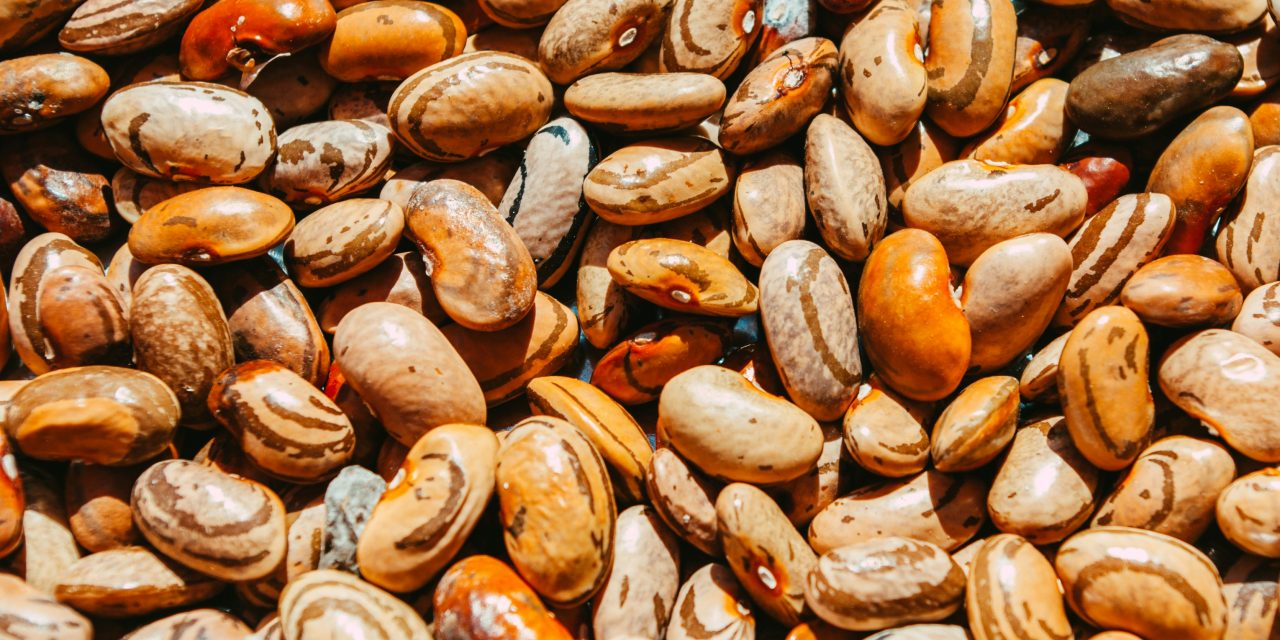
Dried beans are a staple in many diets around the world, prized for their nutritional value, versatility, and long shelf life. These legumes are rich in protein, fiber, vitamins, and minerals, making them an essential component of a balanced diet. However, to fully benefit from their nutritional properties and ensure their longevity, proper storage techniques are crucial. Understanding the nuances of dried bean storage can significantly impact their usability and flavor over time.
The importance of effective storage cannot be overstated. When stored correctly, dried beans can last for several years without losing their quality. Conversely, improper storage can lead to spoilage, loss of flavor, and diminished nutritional value. This article will delve into the various factors that influence the shelf life of dried beans, ideal storage conditions, and practical tips for maintaining their freshness.
Factors Affecting the Shelf Life of Dried Beans
Several factors play a pivotal role in determining how long dried beans remain viable for consumption. One of the primary influences is moisture content. Beans that are exposed to humidity can absorb water, leading to mold growth and spoilage. Conversely, excessively dry beans may become hard and difficult to cook. The ideal moisture content for dried beans is around 12-14%, which allows them to maintain their integrity while preventing spoilage.
Another critical factor is temperature. Dried beans should be stored in a cool environment, ideally between 50°F and 70°F (10°C to 21°C). Higher temperatures can accelerate the degradation of nutrients and lead to rancidity. Additionally, exposure to light can cause oxidative damage, further compromising the quality of the beans. Therefore, it is essential to store dried beans in opaque containers or dark environments to minimize light exposure.
Typical Shelf Life of Different Types of Dried Beans

The shelf life of dried beans varies significantly depending on the type of bean and storage conditions. Generally, most varieties can last anywhere from 1 to 3 years when stored properly. For instance, black beans and pinto beans typically have a shelf life of about 2-3 years, while kidney beans may last slightly longer due to their thicker skins.
Chickpeas and lentils also fall within this range but may have a shorter shelf life of approximately 1-2 years. It is important to note that while dried beans may remain safe to eat beyond their recommended shelf life, their cooking quality and flavor may deteriorate over time. Therefore, it is advisable to consume them within the suggested time frame for optimal taste and texture.
Ideal Storage Conditions for Prolonging Bean Freshness

To maximize the shelf life of dried beans, specific storage conditions must be adhered to. First and foremost, beans should be kept in airtight containers to prevent moisture ingress and pest infestations. Glass jars, vacuum-sealed bags, or food-grade plastic containers are excellent choices for maintaining freshness.
Additionally, storing beans in a dark, cool place away from direct sunlight is crucial. A pantry or cupboard that maintains a stable temperature is ideal. It is also beneficial to keep beans away from strong odors, as they can absorb scents from other foods, altering their flavor profile. By following these guidelines, you can significantly extend the usability of your dried beans.
Signs That Dried Beans Have Gone Bad
Recognizing the signs of spoilage in dried beans is essential for ensuring food safety and quality. One of the most apparent indicators is a change in appearance; if beans exhibit discoloration or an unusual sheen, they may be past their prime. Additionally, if you notice any signs of mold or insect activity, it is best to discard them immediately.
Another telltale sign is an off-putting odor. Fresh dried beans should have a neutral or earthy scent; however, if they emit a rancid or sour smell, it indicates spoilage. Lastly, if the beans are excessively hard or difficult to cook even after soaking, they may have lost their viability and should not be consumed.
How to Properly Store Dried Beans for Long-Term Use
For long-term storage of dried beans, several methods can be employed to ensure their longevity and quality. First, consider sorting through your beans before storage to remove any damaged or discolored specimens. This step helps prevent spoilage from spreading among healthy beans.
Once sorted, transfer the beans into airtight containers or vacuum-sealed bags. Label each container with the type of bean and the date of storage for easy identification later on. It is advisable to store smaller quantities in separate containers to minimize exposure each time you access them.
For those looking for extended preservation methods, freezing dried beans is an option worth considering. While it may seem unconventional, freezing can halt the aging process and maintain quality for several years. Just ensure that the beans are thoroughly dried before freezing to prevent ice crystal formation.
The Impact of Moisture and Temperature on Bean Longevity
Moisture and temperature are two critical environmental factors that significantly influence the longevity of dried beans. High humidity levels can lead to mold growth and spoilage; therefore, maintaining a low moisture environment is essential for preserving quality. Ideally, dried beans should be stored in a relative humidity level below 60%.
Temperature fluctuations can also adversely affect dried beans. Exposure to high temperatures accelerates chemical reactions that lead to nutrient degradation and rancidity. Conversely, extremely low temperatures can cause cellular damage within the beans. Thus, maintaining a stable temperature range between 50°F and 70°F is vital for optimal preservation.
Using Vacuum Sealing to Extend Bean Shelf Life
Vacuum sealing is an effective method for extending the shelf life of dried beans by removing air from the packaging. This process minimizes oxidation and prevents moisture ingress, which are two primary causes of spoilage. Vacuum-sealed bags can keep dried beans fresh for up to 5 years when stored in ideal conditions.
To vacuum seal dried beans effectively, first ensure they are clean and dry. Place them in vacuum-sealable bags designed for food storage and use a vacuum sealer to remove air before sealing tightly. Label each bag with the type of bean and date of sealing for easy reference later on.
When considering shelf life, dried beans generally outlast canned varieties due to their lower moisture content and lack of preservatives. While canned beans can last anywhere from 2-5 years depending on the type and storage conditions, they often contain added sodium or preservatives that may not appeal to all consumers.
Dried beans require soaking and cooking before consumption but offer greater flexibility in terms of culinary applications and flavor profiles. On the other hand, canned beans provide convenience with ready-to-eat options but may lack the depth of flavor found in freshly cooked dried varieties.
Tips for Rotating and Managing Your Bean Supply
To ensure that your bean supply remains fresh and usable over time, implementing a rotation system is essential. When purchasing new beans, always place them behind older stock in your pantry or storage area. This practice ensures that older beans are used first before they reach their expiration date.
Additionally, consider keeping a log or inventory of your bean supply with purchase dates and types noted down. This method allows you to track which varieties need to be consumed sooner and helps prevent waste due to spoilage.
Maximizing the Usability of Your Stored Dried Beans
In conclusion, understanding the intricacies of dried bean storage is vital for maximizing their usability and nutritional benefits over time. By recognizing factors affecting shelf life such as moisture content and temperature control, you can implement effective storage techniques that prolong freshness.
Utilizing methods like vacuum sealing and maintaining ideal storage conditions will further enhance your ability to enjoy these nutritious legumes long after purchase. By being vigilant about signs of spoilage and rotating your supply regularly, you can ensure that your dried beans remain a reliable staple in your kitchen for years to come.
In summary, proper storage practices not only extend the shelf life of dried beans but also preserve their flavor and nutritional value—making them an invaluable addition to any pantry.
FAQs
How long can dried beans be stored?
Dried beans can typically be stored for 1 to 3 years when kept in a cool, dry place. However, they may remain safe to eat beyond this period, although their quality and cooking time may be affected.
What factors affect the shelf life of dried beans?
The shelf life of dried beans is influenced by factors such as storage conditions (temperature, humidity, and light exposure), the type of bean, and whether they are stored in airtight containers. Proper storage can significantly extend their longevity.
How can you tell if dried beans have gone bad?
Signs that dried beans may have gone bad include an off smell, discoloration, or the presence of mold. Additionally, if the beans are very hard and do not soften during cooking, they may be too old to use effectively.
Can you freeze dried beans to extend their shelf life?
Yes, you can freeze dried beans to extend their shelf life. However, it is generally not necessary since dried beans have a long shelf life when stored properly. If you choose to freeze them, ensure they are in an airtight container to prevent moisture absorption.
Do dried beans lose nutritional value over time?
While dried beans do not spoil in the traditional sense, they may lose some nutritional value over time, particularly vitamins. However, they still retain most of their protein and fiber content even after several years of storage.