Dog deshedding is a crucial aspect of canine grooming that focuses on reducing the amount of loose fur that dogs shed. Shedding is a natural physiological process where dogs lose old or damaged hair to make way for new growth. However, excessive shedding can lead to various issues, including allergies in humans, matting of the coat, and skin irritations in dogs. Understanding the mechanics of shedding is essential for pet owners who wish to maintain a clean living environment and promote their dog’s overall health.
The shedding process is influenced by several factors, including breed, age, health status, and environmental conditions. Certain breeds, such as Siberian Huskies and Golden Retrievers, are known for their heavy shedding due to their double coats. In contrast, breeds like Poodles and Bichon Frises have hair that continuously grows and requires regular grooming to prevent matting. Recognizing the normal shedding patterns of your dog can help you determine when deshedding treatments are necessary.
Common Causes of Excessive Shedding in Dogs
Excessive shedding in dogs can be attributed to various factors, ranging from environmental influences to underlying health conditions. One of the most common causes is seasonal changes, where dogs shed their winter coats in spring and grow thicker fur in preparation for colder months. This natural cycle can lead to noticeable increases in shedding during transitional seasons.
In addition to seasonal changes, stress can significantly impact a dog’s coat health. Situations such as moving to a new home, changes in family dynamics, or exposure to loud noises can trigger anxiety in dogs, leading to increased shedding. Furthermore, nutritional deficiencies, particularly a lack of essential fatty acids or proteins, can compromise coat quality and result in excessive hair loss. Identifying these triggers is vital for implementing effective deshedding strategies.
How Deshedding Treatments Work: The Science Explained

Deshedding treatments operate on the principle of removing loose hair and undercoat while promoting healthy skin and fur growth. The process typically involves specialized tools designed to reach the undercoat without damaging the top layer of fur. These tools work by gently pulling out dead hair and dander, which can accumulate and contribute to skin irritations if left untreated.
The science behind deshedding also involves understanding the hair growth cycle. Each hair follicle goes through phases: anagen (growth), catagen (transition), and telogen (resting). Deshedding treatments primarily target hairs in the telogen phase, which are ready to fall out naturally. By facilitating this process, deshedding treatments can help maintain a balanced coat and reduce the overall volume of shedding.
Types of Dog Deshedding Treatments Available

There are several types of deshedding treatments available for dogs, each tailored to meet specific needs based on coat type and shedding severity. One popular option is the use of deshedding shampoos and conditioners that contain ingredients designed to nourish the skin and coat while loosening dead hair. These products often include natural oils, such as omega fatty acids, which promote healthy fur growth.
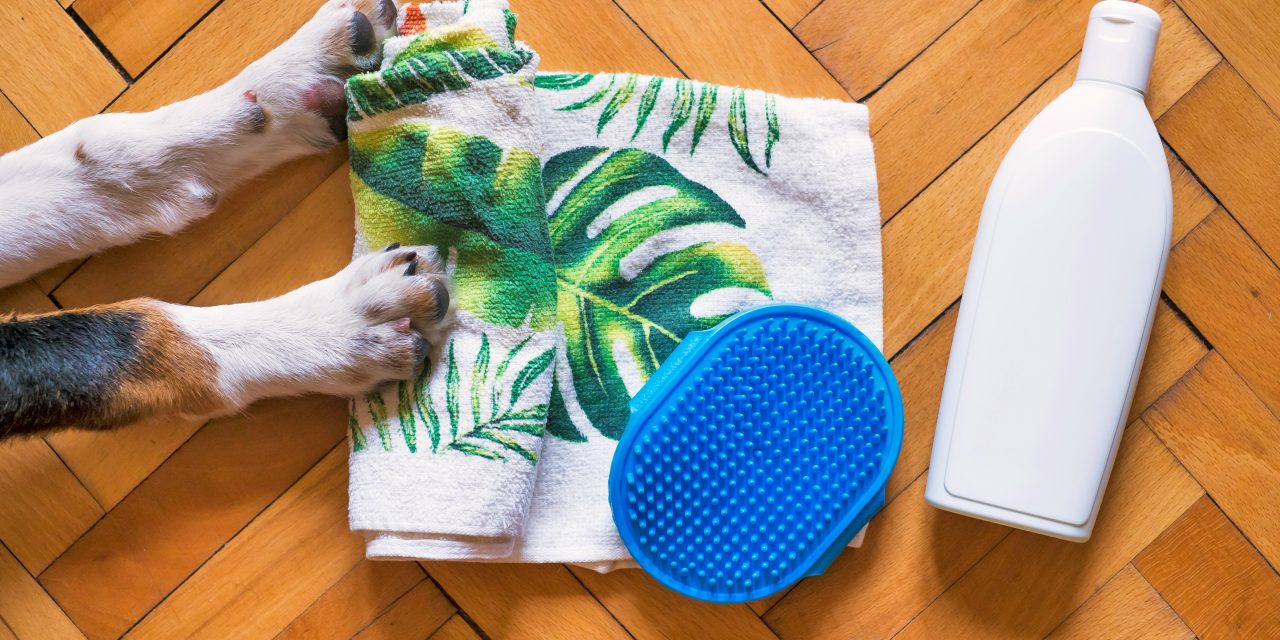
Another effective treatment is the use of deshedding tools like slicker brushes, undercoat rakes, and grooming gloves. These tools are designed to penetrate deep into the coat and remove loose hair without causing discomfort to the dog. Additionally, professional grooming services often offer specialized deshedding treatments that may include high-velocity dryers to blow out loose fur effectively.
At-Home Deshedding Tools and Techniques
For pet owners looking to manage shedding at home, several tools and techniques can be employed effectively. Slicker brushes are particularly useful for removing tangles and loose hair from both long and short-haired breeds. Regular brushing sessions not only reduce shedding but also stimulate blood circulation in the skin, promoting healthier fur growth.
Undercoat rakes are another valuable tool for breeds with double coats. These rakes are designed to reach beneath the top layer of fur and remove dead undercoat hair efficiently. Additionally, grooming gloves can be used during playtime or petting sessions to collect loose fur while bonding with your dog. Establishing a consistent grooming routine will help minimize shedding and maintain a healthy coat.
Professional Deshedding Services: What to Expect
When opting for professional deshedding services, pet owners can expect a comprehensive approach tailored to their dog’s specific needs. Groomers typically begin with an assessment of the dog’s coat condition and shedding patterns before selecting appropriate tools and products for treatment. The session may include bathing with specialized deshedding shampoos followed by thorough brushing using high-quality deshedding tools.
Professional groomers often utilize high-velocity dryers that blow out loose fur effectively while minimizing discomfort for the dog. This method not only reduces shedding but also helps remove dander and allergens from the coat. After the treatment, groomers may provide recommendations for at-home care to maintain results between visits.
When to Consider Deshedding Treatments for Your Dog
Deshedding treatments should be considered when excessive shedding becomes noticeable or problematic. If you find yourself constantly cleaning up fur or if your dog exhibits signs of discomfort due to matting or skin irritations, it may be time to explore deshedding options. Additionally, if your dog is experiencing seasonal shedding or has recently undergone stressors that could impact their coat health, proactive deshedding measures can help alleviate these issues.
Consulting with a veterinarian can also provide valuable insights into whether underlying health conditions may be contributing to excessive shedding. Conditions such as allergies, hormonal imbalances, or skin infections may require medical intervention alongside deshedding treatments.
Benefits of Regular Deshedding for Canine Health
Regular deshedding offers numerous benefits that extend beyond aesthetics. By removing loose fur and dander, pet owners can significantly reduce allergens in their home environment, benefiting both dogs and humans alike. This practice also promotes better skin health by preventing matting and allowing air circulation around the skin.
Moreover, regular grooming sessions foster a stronger bond between pet owners and their dogs. The tactile experience of brushing not only provides comfort but also serves as an opportunity for owners to check for any abnormalities on their dog’s skin or coat. This proactive approach can lead to early detection of potential health issues.
Potential Risks and Precautions with Deshedding Treatments
While deshedding treatments are generally safe, there are potential risks that pet owners should be aware of. Overzealous brushing or using inappropriate tools can lead to skin irritation or injury. It is essential to choose tools specifically designed for your dog’s coat type and to use gentle techniques during grooming sessions.
Additionally, some dogs may experience anxiety during grooming due to past negative experiences or sensitivity to touch. Gradual acclimatization through positive reinforcement techniques can help alleviate stress associated with deshedding treatments. If your dog shows signs of discomfort or aggression during grooming, it may be beneficial to consult a professional groomer or veterinarian for guidance.
Seasonal Shedding Patterns and Treatment Timing
Understanding seasonal shedding patterns is crucial for effective deshedding management. Many dogs experience increased shedding during spring and fall as they transition between coats. During these periods, more frequent grooming sessions may be necessary to keep shedding under control.
Timing is also essential when considering deshedding treatments. Scheduling grooming sessions before peak shedding seasons can help mitigate excessive fur loss in your home environment. Additionally, maintaining a consistent grooming routine throughout the year will ensure that your dog’s coat remains healthy and manageable.
Tips for Maintaining a Healthy Coat Between Deshedding Sessions
To maintain a healthy coat between deshedding sessions, pet owners should focus on proper nutrition and regular grooming practices. Providing a balanced diet rich in essential fatty acids can significantly improve coat quality and reduce shedding. Foods containing omega-3 and omega-6 fatty acids promote healthy skin and fur growth.
Incorporating regular brushing into your dog’s routine will help remove loose hair while stimulating natural oils in the skin that contribute to a shiny coat. Bathing your dog with appropriate shampoos every few weeks will also aid in maintaining cleanliness without stripping essential oils from the skin.
In summary, understanding dog deshedding is vital for maintaining both canine health and a clean living environment. Excessive shedding can stem from various causes including seasonal changes, stressors, or nutritional deficiencies. Deshedding treatments encompass a range of options from at-home tools to professional services designed to promote healthy coats while minimizing shedding. Regular grooming not only benefits your dog’s appearance but also fosters a strong bond between pet owners and their furry companions. By implementing preventive measures and recognizing when deshedding treatments are necessary, pet owners can ensure their dogs remain comfortable and healthy throughout their lives.
FAQs
What are dog deshedding treatments?
Dog deshedding treatments are grooming methods and products designed to reduce the amount of loose fur that dogs shed. These treatments can include specialized brushes, de-shedding tools, shampoos, and conditioners that help remove dead hair and undercoat, making it easier to manage shedding.
When should I consider using deshedding treatments for my dog?
Deshedding treatments are particularly helpful during seasonal shedding periods, which typically occur in spring and fall. Additionally, if your dog has a thick double coat or is prone to excessive shedding, regular deshedding treatments can help maintain a cleaner home and healthier coat.
Are there specific breeds that benefit more from deshedding treatments?
Yes, breeds with double coats, such as Huskies, Golden Retrievers, and German Shepherds, tend to benefit significantly from deshedding treatments. These breeds often shed more fur, and regular grooming can help manage their shedding effectively.
Can deshedding treatments harm my dog’s skin or coat?
When used correctly, deshedding treatments should not harm your dog’s skin or coat. However, it’s essential to choose the right tools and products for your dog’s specific coat type and to follow the manufacturer’s instructions to avoid irritation or damage.
How often should I perform deshedding treatments on my dog?
The frequency of deshedding treatments depends on your dog’s breed, coat type, and shedding patterns. Generally, dogs with heavy shedding may require deshedding treatments once a week, while those with lighter shedding may only need them once a month. Regular grooming helps keep shedding manageable.