Meal preparation, commonly referred to as meal prep, has gained immense popularity among health-conscious individuals and busy professionals alike. This culinary practice involves preparing meals in advance, allowing for convenience, portion control, and nutritional balance. However, while the benefits of meal prepping are numerous, it is crucial to prioritize food safety to prevent foodborne illnesses. Understanding the principles of food safety is essential for anyone engaging in meal prep, as improper handling and storage can lead to contamination and spoilage.
Food safety encompasses a range of practices designed to ensure that food remains safe for consumption. This includes proper cooking, handling, and storage techniques that minimize the risk of pathogens such as bacteria, viruses, and parasites. When meal prepping, individuals must be vigilant about hygiene, temperature control, and the shelf life of ingredients. By adhering to these guidelines, one can enjoy the advantages of meal prep without compromising health.
Factors Affecting the Shelf Life of Meal Preps
Several factors influence the shelf life of meal preps, including ingredient composition, cooking methods, and storage conditions. The type of ingredients used plays a significant role; for instance, high-moisture foods such as fruits and vegetables tend to spoil faster than dry goods like grains and legumes. Additionally, the presence of preservatives in certain foods can extend their longevity, while organic or minimally processed items may have a shorter shelf life.
Cooking methods also impact how long meal preps last. Foods that are cooked at high temperatures may have a reduced microbial load, thereby extending their freshness. Conversely, undercooked items can harbor harmful bacteria that proliferate during storage. Furthermore, the way meals are stored—whether in airtight containers or exposed to air—can significantly affect their longevity. Proper sealing minimizes oxidation and moisture loss, both of which contribute to spoilage.
Ideal Fridge Temperature for Storing Meal Preps

Maintaining the correct refrigerator temperature is paramount for preserving the quality and safety of meal preps. The ideal temperature for a refrigerator is between 32°F (0°C) and 40°F (4°C). At this range, bacterial growth is significantly slowed down, reducing the risk of foodborne illnesses. It is advisable to use an appliance thermometer to ensure that your refrigerator consistently operates within this optimal range.
In addition to temperature control, it is essential to avoid overcrowding the fridge. Proper air circulation is necessary for maintaining consistent temperatures throughout the appliance. When storing meal preps, place them on shelves rather than in drawers to facilitate airflow. Regularly checking the temperature settings and ensuring that the refrigerator door seals properly can further enhance food safety.
Typical Shelf Life of Common Meal Prep Ingredients

Understanding the typical shelf life of common meal prep ingredients is crucial for effective planning and storage. Fresh vegetables such as leafy greens generally last about 3 to 7 days in the refrigerator, while root vegetables like carrots and potatoes can remain fresh for several weeks if stored correctly. Fruits vary widely; berries may last only 3 to 5 days, whereas apples can stay fresh for up to a month.
Proteins also have varying shelf lives. Cooked chicken can last 3 to 4 days in the fridge, while cooked beef may last slightly longer at 4 to 5 days. Grains such as rice or quinoa typically remain safe for consumption for about 4 to 7 days when stored properly. Understanding these timelines allows individuals to plan meals effectively and minimize food waste.
How Long Cooked Proteins Last in the Fridge
Cooked proteins are a staple in many meal prep plans due to their versatility and nutritional value. However, it is essential to be aware of how long these proteins can safely be stored in the refrigerator. Generally speaking, cooked poultry such as chicken or turkey should be consumed within 3 to 4 days after cooking. This timeframe ensures that the meat remains safe from bacterial growth while retaining its flavor and texture.
Red meats like beef or pork have a slightly longer shelf life; they can typically last between 4 to 5 days when stored correctly in airtight containers. Fish and seafood are more delicate; cooked fish should ideally be consumed within 2 to 3 days to prevent spoilage. To maximize freshness, it is advisable to label containers with preparation dates and consume older items first.
Storage Guidelines for Cooked Vegetables and Grains
Cooked vegetables and grains are integral components of many meal prep dishes, providing essential nutrients and fiber. When it comes to storing these items, specific guidelines should be followed to ensure their safety and quality. Cooked vegetables can generally be stored in the refrigerator for about 3 to 7 days, depending on the type of vegetable. For instance, starchy vegetables like potatoes may last longer than leafy greens.
Grains such as rice or quinoa should also be stored in airtight containers and can typically last for about 4 to 7 days in the fridge. It is important to cool these items quickly after cooking before placing them in the refrigerator; this helps prevent bacterial growth during the cooling process. Additionally, reheating cooked vegetables and grains should be done thoroughly to an internal temperature of at least 165°F (74°C) before consumption.
Signs Your Meal Prep Has Gone Bad
Recognizing signs of spoilage is crucial for maintaining food safety during meal prep. Common indicators that a meal prep has gone bad include changes in color, texture, or odor. For instance, cooked proteins may develop a slimy texture or an off-putting smell when they are no longer safe to eat. Vegetables may appear wilted or discolored, while grains may develop an unusual odor or mold.
It is also important to be aware of any changes in taste; if a meal tastes sour or otherwise off, it is best to err on the side of caution and discard it. Regularly inspecting stored meal preps can help identify potential spoilage before consumption, ensuring that meals remain safe and enjoyable.
Best Practices for Storing Meal Prep Containers
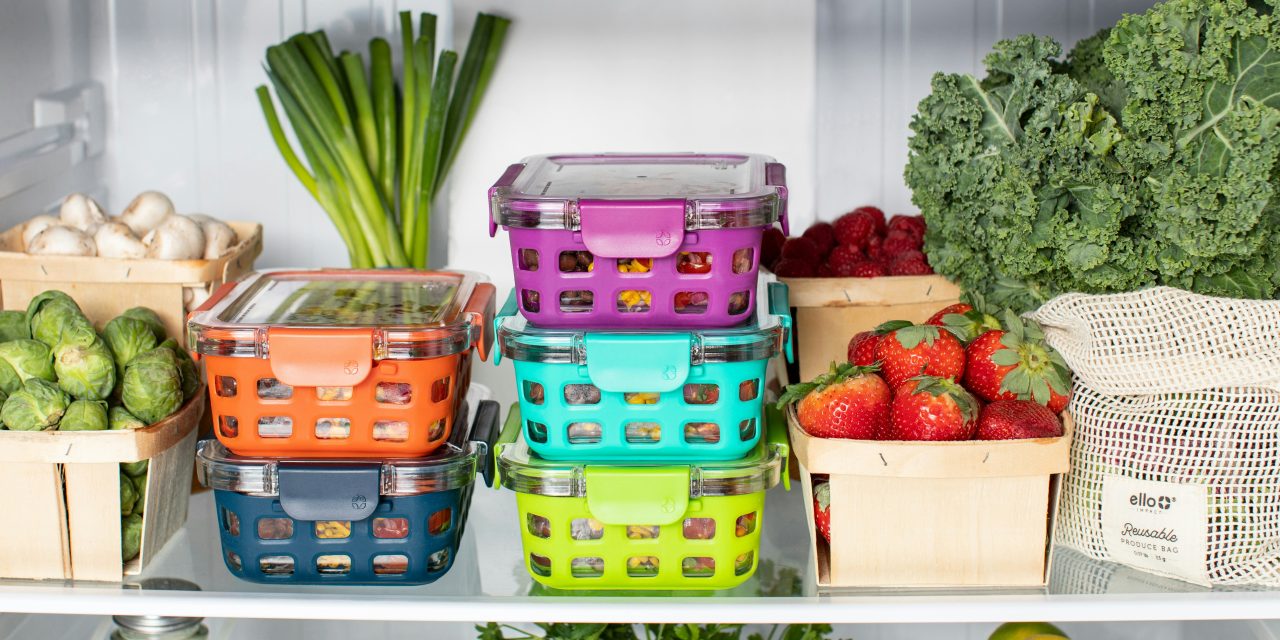
Proper storage practices for meal prep containers can significantly impact food safety and quality. First and foremost, it is essential to use containers made from food-safe materials such as glass or BPA-free plastic. These materials are less likely to leach harmful chemicals into food during storage.
When storing meal preps, ensure that containers are airtight to minimize exposure to air and moisture. Labeling containers with preparation dates can help track freshness and ensure that older items are consumed first. Additionally, stacking containers efficiently in the refrigerator can optimize space while allowing for proper airflow around each item.
Tips for Extending the Freshness of Meal Preps
To maximize the freshness of meal preps, several strategies can be employed. First, consider blanching vegetables before storing them; this process involves briefly boiling them before plunging them into ice water, which helps preserve color and texture while extending shelf life. Additionally, using vacuum-sealed bags can significantly reduce air exposure and prolong freshness.
Another effective method is portioning meals into smaller containers; this allows for quicker cooling after cooking and minimizes the time food spends at unsafe temperatures during serving. Incorporating acidic ingredients such as lemon juice or vinegar into dishes can also help inhibit bacterial growth while enhancing flavor.
Deciding whether to freeze or refrigerate meal prep meals depends on several factors including ingredient composition and intended consumption timeline. Generally speaking, if a meal will not be consumed within a few days, freezing is advisable as it significantly extends shelf life—often up to several months depending on the ingredients used.
Freezing cooked proteins is particularly effective; meats can maintain quality for up to three months when properly sealed in freezer-safe containers or bags. On the other hand, certain foods such as leafy greens do not freeze well due to changes in texture upon thawing; these should be consumed fresh or refrigerated instead.
Ensuring Safe and Tasty Meal Prep Storage
In conclusion, meal prepping offers numerous benefits but requires careful attention to food safety practices to ensure that meals remain safe and delicious over time. By understanding factors affecting shelf life, maintaining ideal storage temperatures, recognizing signs of spoilage, and employing best practices for container storage, individuals can enjoy their meal prep endeavors without compromising health.
Implementing strategies such as proper cooling techniques, portioning meals effectively, and knowing when to freeze versus refrigerate will further enhance food safety and quality. Ultimately, prioritizing food safety not only protects health but also maximizes the enjoyment of well-prepared meals.
### FAQ Section
1. **How long can I store cooked chicken in the fridge?**
– Cooked chicken can typically be stored safely in the refrigerator for 3 to 4 days.
2. **What temperature should my fridge be set at?**
– The ideal refrigerator temperature should be between 32°F (0°C) and 40°F (4°C).
3. **Can I freeze cooked vegetables?**
– Yes, most cooked vegetables can be frozen; however, some may lose texture upon thawing.
4. **How do I know if my meal prep has gone bad?**
– Signs include changes in color or texture, off odors, or unusual tastes.
5. **What materials are best for meal prep containers?**
– Glass or BPA-free plastic containers are recommended for safe food storage.
6. **How long do grains like rice last in the fridge?**
– Cooked grains such as rice typically last about 4 to 7 days when stored properly.
7. **Is it safe to reheat leftovers?**
– Yes, leftovers should be reheated thoroughly to an internal temperature of at least 165°F (74°C).
8. **Can I store raw meat with cooked foods?**
– No, raw meat should always be stored separately from cooked foods to prevent cross-contamination.
9. **What’s the best way to cool down hot food before refrigerating?**
– Divide large portions into smaller containers or spread out on a shallow tray to cool quickly before refrigerating.
10. **How often should I check my fridge temperature?**
– It’s advisable to check your fridge temperature weekly or whenever you notice changes in food quality.
In summary, understanding food safety principles related to meal prep is essential for maintaining health while enjoying convenient meals. By following best practices regarding storage conditions and recognizing signs of spoilage, individuals can ensure their meal preps remain safe and delicious over time.
FAQs
How long can meal prep last in the fridge?
Generally, meal prep can last in the fridge for about 3 to 4 days. After this period, the risk of foodborne illness increases, and the quality of the food may deteriorate.
What factors affect the shelf life of meal prep in the fridge?
Several factors can affect the shelf life of meal prep, including the type of food, how it was cooked, the storage temperature, and how well it is sealed. Foods with higher moisture content or those that are not cooked thoroughly may spoil faster.
Can I freeze meal prep to extend its shelf life?
Yes, freezing meal prep can significantly extend its shelf life. Most cooked meals can be frozen for 2 to 6 months, depending on the ingredients. Just ensure they are stored in airtight containers to prevent freezer burn.
How can I tell if my meal prep has gone bad?
Signs that meal prep has gone bad include an off smell, changes in color or texture, and the presence of mold. If you notice any of these signs, it’s best to discard the food to avoid foodborne illness.
Is it safe to reheat meal prep multiple times?
Reheating meal prep multiple times is not recommended, as each time food is cooled and reheated, it increases the risk of bacterial growth. It’s best to only reheat the portion you plan to eat and store the rest properly.