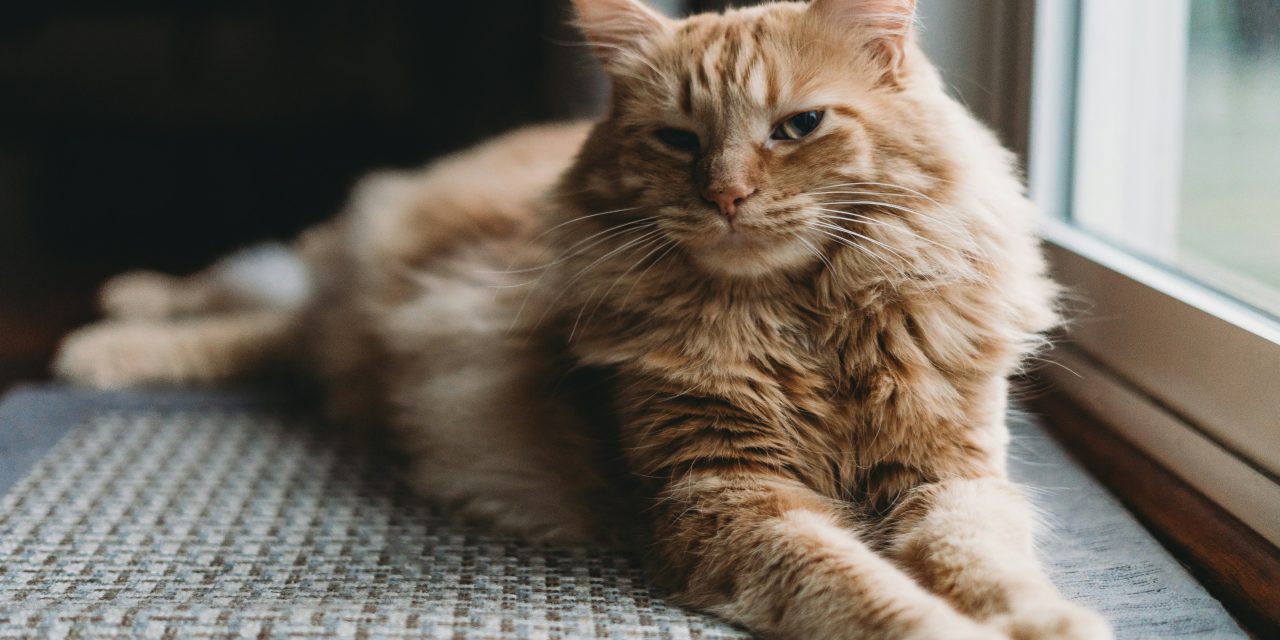
Shedding is a natural physiological process that occurs in cats, influenced by various factors including breed, age, and environmental conditions. Typically, cats undergo a shedding cycle that aligns with seasonal changes, particularly in temperate climates. During spring and fall, cats tend to shed more fur as they transition between their winter and summer coats. This cyclical pattern is driven by hormonal changes and daylight exposure, which stimulate the hair follicles to enter the shedding phase known as telogen.
Understanding your cat’s shedding cycle is crucial for managing fur loss effectively. For instance, long-haired breeds such as Persians or Maine Coons may exhibit more pronounced shedding compared to short-haired breeds like Siamese or British Shorthairs. Additionally, indoor cats may shed year-round due to artificial lighting and climate control, which can disrupt their natural cycles. Recognizing these patterns allows pet owners to anticipate shedding peaks and prepare accordingly.
Choosing the Right Grooming Tools
Selecting appropriate grooming tools is essential for maintaining your cat’s coat and minimizing shedding. Various tools are available, each designed for specific coat types and grooming needs. For instance, slicker brushes are ideal for removing tangles and loose fur from long-haired breeds, while bristle brushes work well for short-haired cats by distributing natural oils and enhancing coat shine.
Moreover, grooming gloves have gained popularity among cat owners for their dual purpose of massaging the cat while effectively collecting loose hair. Additionally, combs with wide-toothed and fine-toothed options can help address different areas of the coat, ensuring a thorough grooming session. Investing in high-quality grooming tools not only enhances the grooming experience but also promotes a healthier coat and skin.
Preparing Your Cat for Grooming

Preparation is key when it comes to grooming your feline companion. Cats can be sensitive to handling, so creating a calm environment is essential. Begin by choosing a quiet space free from distractions where your cat feels secure. Familiarizing your cat with the grooming tools beforehand can help reduce anxiety; allow them to sniff and explore the tools at their own pace.
Additionally, consider scheduling grooming sessions during times when your cat is naturally more relaxed, such as after a meal or playtime. Using treats as positive reinforcement can also encourage cooperation during grooming sessions. Gradually introducing grooming techniques will help your cat associate the process with positive experiences, making future sessions smoother.
Brushing Techniques to Remove Loose Fur

Effective brushing techniques are vital for removing loose fur and preventing matting. Start by gently brushing in the direction of hair growth to avoid discomfort. For long-haired cats, sectioning the coat into manageable parts can facilitate thorough grooming. Use slow, deliberate strokes to ensure that you are not pulling on the hair or causing any pain.
For cats with dense undercoats, it may be beneficial to use a combination of brushing techniques. Begin with a slicker brush to remove tangles and loose fur, followed by a wide-toothed comb to address any remaining knots. Regular brushing not only reduces shedding but also promotes blood circulation and distributes natural oils throughout the coat, contributing to overall skin health.
Using a Deshedding Tool Effectively
Deshedding tools are specifically designed to target loose undercoat fur that regular brushes may miss. These tools typically feature stainless steel blades that effectively remove dead hair without damaging the topcoat. When using a deshedding tool, it is crucial to follow specific techniques to maximize its effectiveness.
Begin by ensuring your cat is calm and comfortable before starting the deshedding process. Work in small sections, applying gentle pressure while gliding the tool along the coat in the direction of hair growth. It is advisable to limit deshedding sessions to about 10-15 minutes to prevent overstimulation or discomfort. Regular use of deshedding tools can significantly reduce shedding and keep your home cleaner.
Bathing Your Cat to Reduce Shedding
While cats are generally adept at self-grooming, occasional baths can help reduce shedding by removing loose fur and dander from their coats. However, bathing should be approached with caution, as many cats dislike water. It is essential to use a cat-specific shampoo that is gentle on their skin and free from harsh chemicals.
Before bathing, prepare all necessary supplies within reach, including towels, shampoo, and a non-slip mat for safety. Start by wetting your cat’s coat gradually using lukewarm water, avoiding their face and ears. Apply shampoo sparingly and massage it into the coat thoroughly before rinsing completely. After bathing, ensure your cat is dried properly to prevent chills or discomfort.
Creating a Regular Grooming Schedule
Establishing a consistent grooming schedule is vital for managing shedding effectively. Depending on your cat’s breed and coat type, grooming frequency may vary; long-haired breeds may require daily grooming, while short-haired cats may only need weekly sessions. Creating a routine not only helps control shedding but also strengthens the bond between you and your feline companion.
Consider incorporating grooming into your weekly schedule at a time that works best for both you and your cat. Keeping track of shedding patterns can also help you adjust your grooming routine as needed. Regular grooming sessions will lead to healthier skin and coat while minimizing the amount of fur left around your home.
Managing Shedding with a Healthy Diet
A well-balanced diet plays a crucial role in maintaining your cat’s overall health and reducing excessive shedding. Nutritional deficiencies can lead to poor coat condition and increased fur loss. Ensure that your cat’s diet includes high-quality protein sources, essential fatty acids (such as omega-3 and omega-6), vitamins, and minerals that promote skin health.
Consulting with a veterinarian about appropriate dietary options can provide tailored recommendations based on your cat’s specific needs. Additionally, incorporating supplements designed for skin and coat health may further enhance your cat’s coat condition and reduce shedding over time.
Keeping Your Home Fur-Free During Shedding Season
Managing shedding extends beyond grooming; maintaining a clean living environment is equally important. Regular vacuuming of carpets, upholstery, and hard surfaces can significantly reduce the accumulation of pet hair in your home. Consider investing in vacuum cleaners equipped with pet hair attachments for more effective cleaning.
Using lint rollers or sticky tape can also help remove stray hairs from clothing and furniture quickly. Additionally, washing bedding and blankets regularly will help minimize allergens associated with pet dander while keeping your home fresh and clean during shedding seasons.
Handling Common Shedding Problems and Skin Issues
Excessive shedding can sometimes indicate underlying health issues or skin problems such as allergies or parasites like fleas or mites. Observing changes in your cat’s coat condition or excessive scratching should prompt immediate attention. Common signs of skin issues include redness, inflammation, or bald patches that may require veterinary intervention.
If you notice any unusual symptoms accompanying shedding, such as changes in appetite or behavior, it is essential to consult with a veterinarian promptly. They can conduct thorough examinations and recommend appropriate treatments based on the underlying cause of excessive shedding.
When to Consult a Veterinarian About Excessive Shedding
While shedding is a normal part of feline life, excessive fur loss warrants professional evaluation. If you observe significant changes in your cat’s shedding patterns or if it is accompanied by other concerning symptoms such as lethargy or skin irritation, seeking veterinary advice is crucial.
Veterinarians can perform diagnostic tests to rule out conditions such as hormonal imbalances, skin infections, or allergies that may contribute to excessive shedding. Treatment options may include medicated shampoos, dietary adjustments, or medications tailored to address specific health concerns.
In summary, understanding your cat’s shedding cycle is fundamental for effective management of fur loss throughout the year. By choosing appropriate grooming tools, preparing your cat for grooming sessions, employing effective brushing techniques, utilizing deshedding tools correctly, bathing when necessary, establishing a regular grooming schedule, maintaining a healthy diet, keeping your home clean during shedding seasons, addressing common skin issues promptly, and consulting with veterinarians when needed, you can significantly reduce shedding while promoting overall feline health and well-being.
FAQs
What tools are effective for removing loose fur from a cat?
Effective tools for removing loose fur from a cat include grooming brushes, combs, and deshedding tools specifically designed for cats. Rubber gloves can also be used to wipe away loose fur from your cat’s coat and furniture.
How often should I groom my cat during shedding season?
During shedding season, it is recommended to groom your cat at least 2-3 times a week. This frequency helps to reduce the amount of loose fur in your home and minimizes hairballs in your cat.
Are there any specific grooming techniques to follow?
When grooming your cat, start with a gentle brush to remove loose fur, then use a comb to detangle any knots. Always brush in the direction of the fur growth and be gentle around sensitive areas like the belly and tail.
Can diet affect shedding in cats?
Yes, a cat’s diet can affect shedding. A balanced diet rich in omega fatty acids can promote a healthy coat and reduce excessive shedding. Consult your veterinarian for dietary recommendations tailored to your cat’s needs.
What should I do if my cat has excessive shedding?
If your cat is experiencing excessive shedding, it may be a sign of stress, allergies, or health issues. It’s best to consult a veterinarian to rule out any underlying conditions and to receive appropriate care and advice.