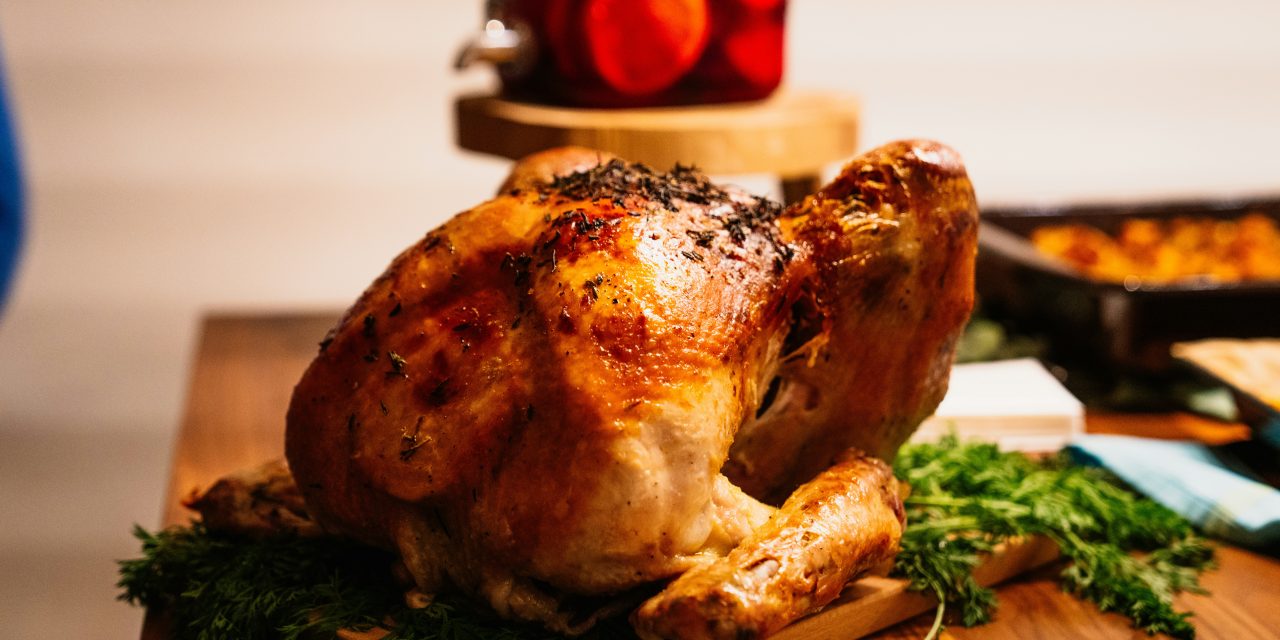
Thanksgiving is a cherished holiday in the United States, celebrated with family gatherings, feasts, and an abundance of food. The centerpiece of this festive occasion is often a beautifully roasted turkey, accompanied by an array of side dishes such as stuffing, mashed potatoes, cranberry sauce, and various vegetables. However, the aftermath of such a grand meal typically results in a plethora of leftovers. Understanding how to manage these remnants is crucial not only for maximizing enjoyment but also for ensuring food safety.
Leftovers can be a delightful way to extend the Thanksgiving experience, allowing families to savor their favorite dishes for days after the holiday. However, improper handling and storage can lead to food spoilage and potential health risks. It is essential to recognize the importance of proper food preservation techniques to maintain the quality and safety of these culinary treasures. By adhering to guidelines for storage and reheating, individuals can enjoy their Thanksgiving leftovers without compromising their health.
The Importance of Proper Storage
Proper storage of Thanksgiving leftovers is paramount in preventing foodborne illnesses. The USDA emphasizes that perishable foods should not be left at room temperature for more than two hours. This is particularly critical during the holiday season when large quantities of food are prepared and served. Bacteria thrive in the “danger zone” between 40°F and 140°F, where they can multiply rapidly, leading to potential food poisoning.
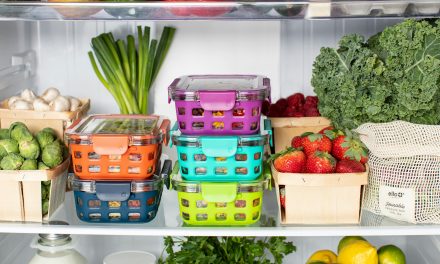
To ensure safety, leftovers should be promptly refrigerated or frozen. Utilizing airtight containers or heavy-duty aluminum foil can help protect food from exposure to air and moisture, which can lead to spoilage. Labeling containers with dates can also assist in tracking how long items have been stored, ensuring that they are consumed within safe timeframes. By prioritizing proper storage techniques, families can enjoy their Thanksgiving leftovers while minimizing health risks.
How Long Can Cooked Turkey Last?

Cooked turkey is often the star of the Thanksgiving feast, but its longevity depends on how it is stored. When properly refrigerated at or below 40°F, cooked turkey can last for three to four days. If freezing is preferred, it can maintain its quality for up to six months. However, it is essential to note that while freezing preserves the turkey’s safety, the texture may change upon thawing.
To maximize the shelf life of cooked turkey, it is advisable to carve the meat into smaller portions before storing. This allows for quicker cooling and reduces the risk of bacterial growth. Additionally, placing turkey in shallow containers promotes even cooling throughout the meat. By following these guidelines, families can enjoy their turkey leftovers without compromising safety or flavor.
Safe Storage Times for Stuffing and Dressing

Stuffing and dressing are beloved accompaniments to turkey, but they require careful handling to ensure safety. When stored in the refrigerator, stuffing can last for three to four days. If frozen, it can remain safe for up to one month. It is crucial to store stuffing separately from the turkey to prevent cross-contamination and ensure even cooling.
To enhance safety, stuffing should be cooled quickly after cooking and placed in shallow containers for refrigeration or freezing. When reheating, it is vital to ensure that stuffing reaches an internal temperature of 165°F to eliminate any harmful bacteria that may have developed during storage. By adhering to these guidelines, families can safely enjoy their stuffing and dressing long after Thanksgiving Day.
Shelf Life of Mashed Potatoes and Gravy
Mashed potatoes and gravy are staples on many Thanksgiving tables, but their shelf life varies based on storage methods. When refrigerated, mashed potatoes can last for three to five days, while gravy typically remains safe for two to four days. For longer preservation, both items can be frozen; mashed potatoes can last up to a year in the freezer if stored properly.
To maintain the quality of mashed potatoes during storage, it is advisable to add a bit of milk or butter before refrigerating or freezing. This helps retain moisture and prevents them from becoming dry or grainy upon reheating. Gravy should be cooled quickly and stored in airtight containers to prevent spoilage. When reheating either dish, ensure they reach an internal temperature of 165°F for safe consumption.
Keeping Cranberry Sauce Fresh
Cranberry sauce adds a delightful tartness to Thanksgiving meals and can be enjoyed long after the holiday if stored correctly. Homemade cranberry sauce can last in the refrigerator for about one week, while store-bought varieties often contain preservatives that extend their shelf life up to two weeks when unopened. Once opened or homemade, it should be consumed within a week.
To preserve freshness, cranberry sauce should be stored in airtight containers and kept in the refrigerator promptly after serving. If freezing is desired, cranberry sauce can be stored in freezer-safe containers for up to a year without significant loss of flavor or texture. When thawing frozen cranberry sauce, it is best done in the refrigerator overnight before serving.
Storing Green Bean Casserole and Other Vegetables
Green bean casserole is a classic Thanksgiving dish that requires careful storage to maintain its quality. When refrigerated, green bean casserole can last for three to four days. If freezing is preferred, it is best to do so before baking; however, if already cooked, it can last up to two months in the freezer.
For other vegetables served during Thanksgiving, such as roasted carrots or Brussels sprouts, they typically last three to five days when stored in airtight containers in the refrigerator. To maximize freshness, vegetables should be cooled quickly after cooking and stored separately from sauces or dressings that may cause them to become soggy.
Understanding the differences between refrigeration and freezing is essential for maximizing the shelf life of Thanksgiving leftovers. Refrigeration slows down bacterial growth but does not stop it entirely; therefore, leftovers should be consumed within a few days. Freezing halts bacterial growth altogether but may alter texture upon thawing.
When refrigerating leftovers, ensure they are cooled quickly and stored in shallow containers to promote even cooling. For freezing, use airtight containers or heavy-duty freezer bags to prevent freezer burn and maintain quality. Label all containers with dates to track storage times effectively. By employing these strategies, families can enjoy their Thanksgiving leftovers safely and deliciously.
Signs Your Thanksgiving Leftovers Have Gone Bad
Recognizing signs of spoilage is crucial for ensuring food safety when consuming Thanksgiving leftovers. Common indicators include off odors, discoloration, mold growth, or changes in texture. If any of these signs are present, it is best to err on the side of caution and discard the item.
Additionally, if leftovers have been stored beyond recommended timeframes—three to four days for most refrigerated items—consuming them poses a risk of foodborne illness. Always trust your senses; if something seems off about your leftovers, it’s safer to dispose of them rather than risk potential health issues.
Best Practices for Reheating Leftovers Safely
Reheating Thanksgiving leftovers requires attention to detail to ensure safety and quality. The USDA recommends reheating all leftovers to an internal temperature of 165°F before consumption. This temperature effectively kills any harmful bacteria that may have developed during storage.
When reheating in a microwave, cover dishes with a microwave-safe lid or wrap to promote even heating and prevent splatters. Stirring halfway through reheating helps distribute heat evenly throughout the dish. For oven reheating, cover with aluminum foil to retain moisture while preventing over-browning. By following these practices, families can safely enjoy their Thanksgiving leftovers without compromising flavor or safety.
When to Discard Thanksgiving Leftovers to Avoid Food Poisoning
Knowing when to discard Thanksgiving leftovers is essential for preventing foodborne illnesses. As a general rule of thumb, any perishable food left at room temperature for more than two hours should be discarded immediately. Additionally, if leftovers have been stored beyond their recommended refrigeration or freezing times—typically three to four days for most items—they should also be thrown away.
If there are any signs of spoilage such as off odors or visible mold growth, it is crucial not to consume those items regardless of how long they have been stored. Food safety should always take precedence over saving food; when in doubt about the safety of leftovers, it is better to discard them than risk illness.
In summary, managing Thanksgiving leftovers requires careful attention to storage methods and timeframes to ensure safety and enjoyment. By understanding how long various dishes last and recognizing signs of spoilage, families can savor their holiday meals without compromising health. Proper reheating techniques further enhance safety while preserving flavor and texture. Ultimately, prioritizing food safety allows everyone to relish the joy of Thanksgiving long after the holiday has passed.
FAQs
How long can Thanksgiving leftovers be safely stored in the refrigerator?
Thanksgiving leftovers can be safely stored in the refrigerator for 3 to 4 days. It is important to keep them in airtight containers to maintain freshness and prevent contamination.
Can Thanksgiving leftovers be frozen for later use?
Yes, Thanksgiving leftovers can be frozen for later use. Most leftovers can be safely frozen for up to 2 to 6 months, depending on the type of food. Be sure to package them properly in freezer-safe containers or bags to prevent freezer burn.
What are the signs that Thanksgiving leftovers have gone bad?
Signs that Thanksgiving leftovers have gone bad include an off smell, discoloration, mold growth, or a slimy texture. If any of these signs are present, it is best to discard the food to avoid foodborne illness.
Is it safe to reheat Thanksgiving leftovers multiple times?
It is generally safe to reheat Thanksgiving leftovers multiple times, but it is recommended to only reheat what you plan to eat at one time. Repeated reheating can increase the risk of bacterial growth and foodborne illness.
What is the best way to reheat Thanksgiving leftovers?
The best way to reheat Thanksgiving leftovers is to use an oven or stovetop, as these methods help maintain the food’s texture and flavor. If using a microwave, cover the food to ensure even heating and check that it reaches an internal temperature of 165°F (74°C) before consuming.