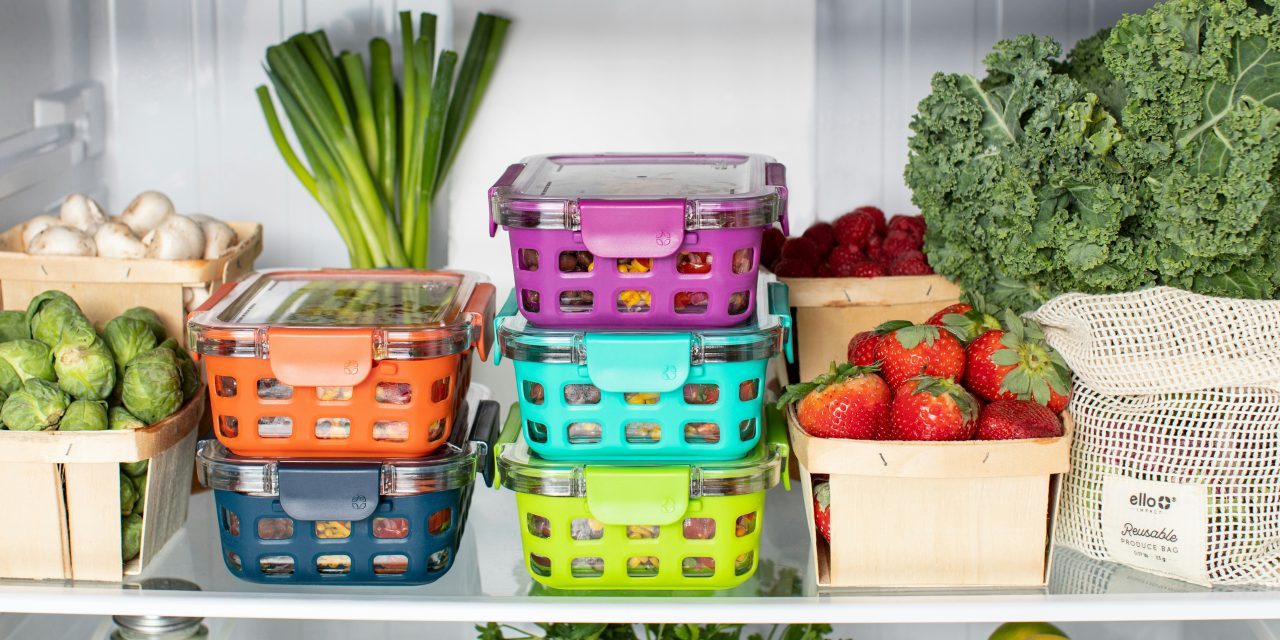
Proper food storage is a critical aspect of maintaining food safety, quality, and nutritional value. The significance of this practice cannot be overstated, as improper storage can lead to food spoilage, waste, and even foodborne illnesses. According to the Food and Agriculture Organization (FAO), approximately one-third of all food produced globally is wasted, much of which can be attributed to inadequate storage methods. Understanding the principles of food storage is essential for both households and commercial kitchens to minimize waste and ensure that food remains safe for consumption.
The importance of proper food storage extends beyond just preventing spoilage. It also plays a vital role in preserving the nutritional integrity of food. Nutrients such as vitamins and minerals can degrade over time when exposed to air, light, and moisture. By employing effective storage techniques, individuals can retain the maximum nutritional value of their food, thereby promoting better health outcomes. Furthermore, proper storage practices can enhance the flavor and texture of food, making meals more enjoyable and satisfying.
Using Airtight Containers for Maximum Freshness
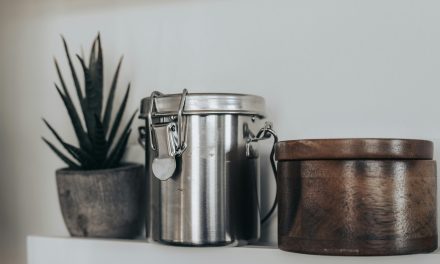
Airtight containers are an essential tool in the arsenal of effective food storage. These containers are designed to create a seal that prevents air from entering, thereby reducing oxidation and moisture exposure. This is particularly important for dry goods such as grains, cereals, and snacks, which can become stale or lose their flavor when exposed to air. By utilizing airtight containers, individuals can significantly extend the shelf life of these products while maintaining their freshness.
When selecting airtight containers, it is crucial to consider materials that are both durable and non-toxic. Glass and high-quality plastic are popular choices due to their ability to create a tight seal while being easy to clean. Additionally, transparent containers allow for easy visibility of contents, making it simpler to monitor inventory and reduce waste. For optimal results, it is advisable to store these containers in a cool, dark place away from direct sunlight, as light exposure can also contribute to nutrient degradation.
Vacuum Sealing: Extending Shelf Life Effectively

Vacuum sealing is a highly effective method for extending the shelf life of various food items. This technique involves removing air from a specially designed bag or container before sealing it shut. By eliminating air, vacuum sealing significantly reduces the growth of aerobic bacteria and molds that thrive in oxygen-rich environments. As a result, vacuum-sealed foods can last several times longer than their non-sealed counterparts.
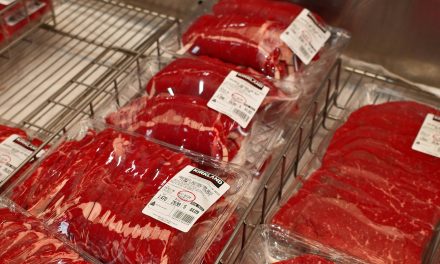
This method is particularly beneficial for perishable items such as meats, fish, and vegetables. For instance, vacuum-sealed meats can remain fresh in the freezer for up to three years compared to just six months when stored conventionally. Additionally, vacuum sealing helps preserve the flavor and texture of foods by preventing freezer burn—a common issue that occurs when moisture evaporates from the surface of frozen foods. To maximize the benefits of vacuum sealing, it is essential to use high-quality vacuum sealers and bags designed specifically for this purpose.
Freezing Techniques to Preserve Nutrients and Flavor

Freezing is one of the most effective methods for preserving food while retaining its nutritional value and flavor. When done correctly, freezing can halt the enzymatic processes that lead to spoilage and nutrient loss. However, it is essential to follow specific techniques to ensure optimal results. For instance, blanching vegetables before freezing can help preserve their color, texture, and nutritional content by inactivating enzymes that cause deterioration.
When freezing fruits and vegetables, it is advisable to spread them out on a baking sheet in a single layer before transferring them to airtight containers or freezer bags. This prevents clumping and allows for easier portioning later on. Additionally, it is crucial to label all frozen items with the date of freezing to ensure proper rotation and usage within recommended timeframes. Most fruits and vegetables can maintain their quality in the freezer for up to 8-12 months when stored correctly.
Refrigeration Tips: Temperature Control and Organization
Refrigeration plays a pivotal role in food preservation by slowing down bacterial growth and enzymatic reactions that lead to spoilage. Maintaining an optimal temperature range between 32°F (0°C) and 40°F (4°C) is essential for ensuring food safety. Regularly checking the refrigerator’s temperature with an appliance thermometer can help prevent potential issues related to temperature fluctuations.
Organizing the refrigerator effectively is equally important for maximizing food safety and minimizing waste. It is advisable to store raw meats on the bottom shelf to prevent cross-contamination with other foods. Additionally, grouping similar items together—such as dairy products, fruits, and vegetables—can streamline meal preparation and make it easier to monitor expiration dates. Utilizing clear bins or containers can further enhance organization while allowing for easy visibility of contents.
Utilizing Glass Jars for Dry Goods and Leftovers
Glass jars are an excellent choice for storing dry goods and leftovers due to their non-reactive nature and airtight sealing capabilities. Unlike plastic containers, glass does not leach harmful chemicals into food, making it a safer option for long-term storage. Furthermore, glass jars are reusable and environmentally friendly, contributing to sustainable practices in food storage.
When using glass jars for dry goods such as grains, legumes, or spices, it is essential to choose jars with tight-fitting lids that create an airtight seal. This prevents moisture absorption and pest infestations while preserving freshness. For leftovers, glass jars provide an attractive presentation while allowing for easy reheating in the microwave or oven without transferring contents to another container. Labeling jars with dates can help track freshness and ensure timely consumption.
When it comes to wrapping food items for storage, two popular options are plastic wrap and beeswax wraps. Plastic wrap is widely used due to its convenience and ability to create a tight seal around various food items. However, concerns regarding its environmental impact and potential chemical leaching have led many individuals to seek alternatives.
Beeswax wraps have gained popularity as an eco-friendly option for wrapping food items. Made from organic cotton infused with beeswax, these wraps are reusable and biodegradable. They provide a breathable environment that helps maintain freshness without trapping moisture like plastic wrap does. While beeswax wraps may not be suitable for all types of foods—such as raw meats—they work exceptionally well for fruits, vegetables, cheese, and sandwiches.
Pickling and Fermentation for Long-Term Storage
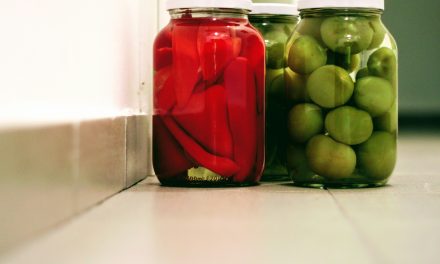
Pickling and fermentation are traditional methods of preserving food that not only extend shelf life but also enhance flavor profiles through beneficial microbial activity. Pickling involves immersing foods in a solution of vinegar or brine, which creates an acidic environment that inhibits spoilage organisms while imparting tangy flavors.
Fermentation goes a step further by allowing beneficial bacteria to thrive during the preservation process. Foods such as sauerkraut, kimchi, and yogurt undergo fermentation, resulting in probiotic-rich products that promote gut health. Both pickling and fermentation can be done at home with minimal equipment and ingredients, making them accessible options for individuals looking to preserve seasonal produce or create unique flavor combinations.
Dehydration: Preserving Fruits, Vegetables, and Herbs
Dehydration is another effective method for preserving food by removing moisture content that promotes spoilage. This technique can be applied to various foods including fruits, vegetables, herbs, and even meats through methods such as air drying or using dehydrators. Dehydrated foods have a significantly extended shelf life while retaining most of their nutrients.
For fruits like apples or bananas, dehydration concentrates flavors while creating convenient snacks that are lightweight and portable. Vegetables such as tomatoes or bell peppers can be rehydrated later for use in soups or stews without losing their nutritional value. Herbs can also be dried easily by hanging them upside down in a cool, dark place until fully dried—perfect for seasoning dishes year-round.
Storing Bread and Baked Goods to Prevent Staleness
Bread and baked goods are notorious for becoming stale quickly if not stored properly. To maintain freshness, it is essential to store these items in a cool environment away from direct sunlight. Bread should ideally be kept in a paper bag or cloth bag rather than plastic wrap; this allows moisture to escape while preventing mold growth.
For longer-term storage of bread or baked goods like muffins or cookies, freezing is an excellent option. Wrapping items tightly in plastic wrap or aluminum foil before placing them in airtight containers will help preserve their texture and flavor during freezing. When ready to consume, simply thaw at room temperature or reheat in the oven for optimal results.
Labeling and Rotation: Ensuring Food Safety and Reducing Waste
Labeling food items with dates is crucial for maintaining food safety standards while minimizing waste in households or commercial kitchens alike. By clearly marking expiration dates on containers or bags—along with contents—individuals can easily track freshness levels and prioritize consumption accordingly.
Implementing a first-in-first-out (FIFO) system ensures that older items are used before newer ones—reducing the likelihood of spoilage due to neglecting older stock. Regularly checking pantry shelves or refrigerator contents allows individuals to identify items nearing expiration dates so they can be incorporated into meals promptly rather than discarded later on.
In summary, proper food storage techniques are essential for maintaining safety while maximizing freshness and nutritional value across various types of foods—from dry goods stored in airtight containers to perishable items preserved through freezing or vacuum sealing methods. By employing effective strategies such as utilizing glass jars or exploring pickling options alongside diligent labeling practices—individuals can significantly reduce waste while enjoying delicious meals year-round!
FAQs
What are the best methods for storing fruits and vegetables?
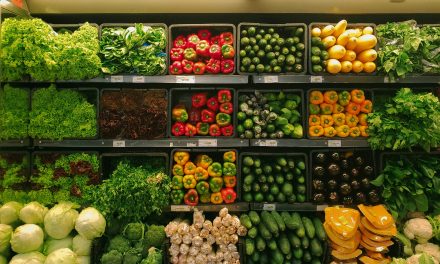
The best methods for storing fruits and vegetables include refrigeration for perishable items like leafy greens and berries, while root vegetables such as potatoes and carrots should be kept in a cool, dark place. Some fruits, like bananas and avocados, can be stored at room temperature until they ripen, after which they can be refrigerated to prolong freshness.
How can I properly store leftovers to ensure food safety?
To properly store leftovers, allow them to cool to room temperature before placing them in airtight containers. Label the containers with the date and consume them within 3-4 days. For longer storage, consider freezing leftovers, ensuring they are in freezer-safe containers to prevent freezer burn.
What is the importance of vacuum sealing in food storage?
Vacuum sealing is important in food storage as it removes air from the packaging, which helps to prevent oxidation and spoilage. This technique can extend the shelf life of food items significantly, preserving flavor and nutrients while also preventing freezer burn when storing food in the freezer.
How should dry goods like grains and pasta be stored?
Dry goods such as grains and pasta should be stored in a cool, dry place in airtight containers to protect them from moisture and pests. Glass jars, plastic containers, or vacuum-sealed bags are ideal for maintaining freshness and preventing contamination.
What are some tips for organizing a food storage area?
To organize a food storage area effectively, categorize items by type (e.g., canned goods, grains, snacks) and use clear bins or labels for easy identification. Keep older items at the front to ensure they are used first, and regularly check for expiration dates to maintain food safety and minimize waste.