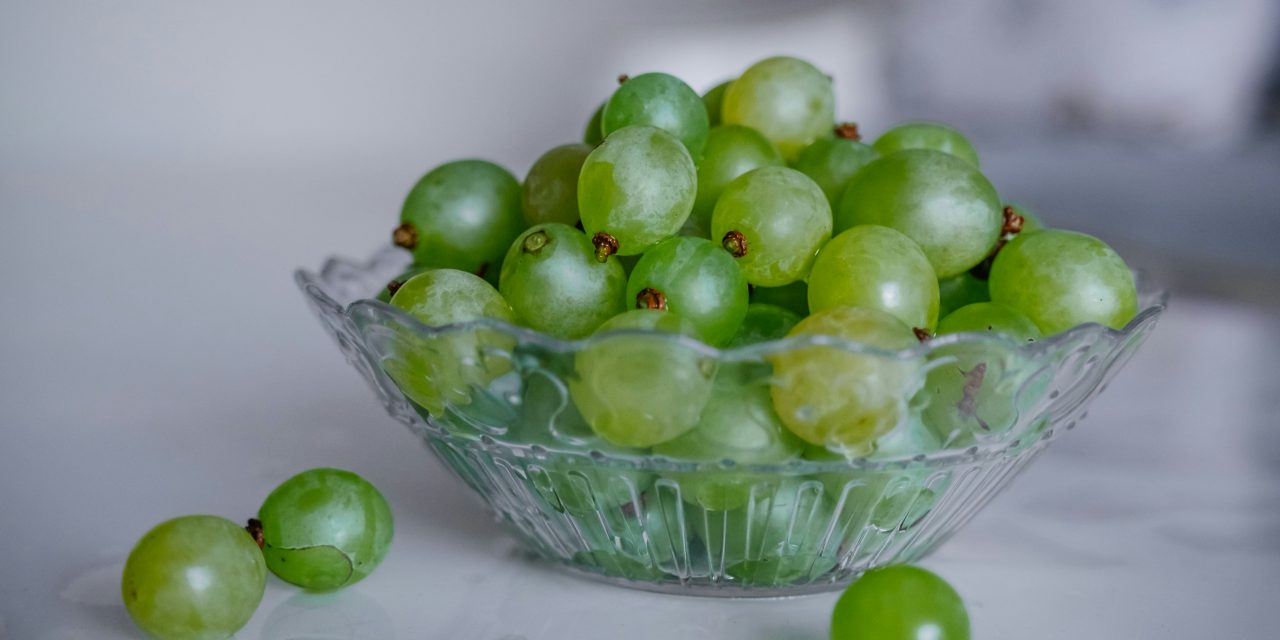
Grapes are a popular fruit known for their sweet flavor and versatility in culinary applications. To maintain their freshness and prolong their shelf life, it is crucial to understand the ideal storage conditions. Grapes thrive in a cool, dry environment, ideally between 30°F to 32°F (-1°C to 0°C) with a relative humidity of around 90%. These conditions help prevent moisture loss and inhibit the growth of mold and bacteria, which can lead to spoilage.
Proper ventilation is also essential when storing grapes. Stagnant air can create a humid environment that promotes decay. Therefore, it is advisable to store grapes in a breathable container, such as a perforated plastic bag or a container with holes. This allows for air circulation while maintaining the necessary humidity levels. Additionally, grapes should be kept away from ethylene-producing fruits like bananas and apples, as ethylene gas accelerates ripening and can lead to premature spoilage.
Selecting Fresh Grapes for Longer Shelf Life
The selection of fresh grapes plays a pivotal role in determining their longevity. When purchasing grapes, look for clusters that are plump, firm, and free from blemishes or soft spots. The color should be vibrant and consistent across the bunch, indicating ripeness and freshness. For example, green grapes should be bright green, while red or black varieties should exhibit deep, rich hues.
Another critical factor is the presence of a natural bloom on the grape’s skin. This waxy coating acts as a protective barrier against moisture loss and spoilage. Grapes that have a significant amount of bloom are generally fresher and have a longer shelf life. Additionally, check the stems; they should be green and pliable rather than brown and brittle, as this indicates the grapes were harvested recently.
Preparing Grapes Before Storage: Washing and Drying Tips

Before storing grapes, proper preparation is essential to ensure their longevity. Begin by rinsing the grapes under cool running water to remove any dirt, pesticides, or residues. It is advisable to wash them just before consumption rather than before storage to prevent excess moisture from promoting mold growth.
After washing, gently pat the grapes dry with a clean kitchen towel or paper towel. Avoid soaking them in water or using soap, as this can damage the delicate skin and alter their flavor. If you notice any damaged or spoiled grapes during this process, remove them immediately to prevent them from affecting the rest of the bunch. Properly prepared grapes will have a significantly longer shelf life and maintain their quality during storage.
Choosing the Right Container for Grape Storage

Selecting an appropriate container for grape storage is crucial for maintaining freshness. Ideally, use a container that allows for airflow while providing protection from external elements. A perforated plastic bag or a shallow container lined with paper towels works well for this purpose. The paper towels absorb excess moisture while allowing air circulation.
Avoid airtight containers, as they trap moisture and create an environment conducive to mold growth. If using a plastic bag, ensure it has holes or is slightly open to allow for ventilation. Additionally, avoid stacking grapes too high in the container; this can cause bruising and damage to the fruit at the bottom of the pile.
The Best Temperature Settings for Keeping Grapes Firm
Temperature plays a vital role in preserving the firmness and quality of grapes. The optimal temperature range for grape storage is between 30°F to 32°F (-1°C to 0°C). At these temperatures, grapes remain crisp and retain their natural sweetness. Refrigerators typically maintain temperatures around 35°F to 40°F (1°C to 4°C), which is acceptable but may not be ideal for long-term storage.
For short-term storage, placing grapes in the crisper drawer of your refrigerator is sufficient. However, if you plan to store them for an extended period, consider using a dedicated wine fridge or a temperature-controlled environment that mimics their ideal conditions more closely. Maintaining consistent temperatures is crucial; fluctuations can lead to condensation and spoilage.
How to Store Grapes in the Refrigerator Properly
To store grapes effectively in the refrigerator, begin by ensuring they are clean and dry. Place them in a breathable container or perforated plastic bag to allow airflow while preventing moisture accumulation. It is advisable to keep them in the crisper drawer, where humidity levels are higher than in other parts of the refrigerator.
Avoid washing grapes until just before consumption to minimize moisture exposure during storage. Additionally, keep grapes away from strong-smelling foods, as they can absorb odors that may alter their flavor profile. Regularly check stored grapes for any signs of spoilage or mold growth; removing affected grapes promptly will help preserve the quality of the remaining fruit.
Using Freezing Techniques to Preserve Grapes
Freezing is an excellent method for preserving grapes when you have an abundance that you cannot consume in time. To freeze grapes effectively, start by washing and drying them thoroughly. Once dry, spread them out on a baking sheet in a single layer and place them in the freezer for about two hours until they are firm.
After freezing, transfer the grapes into airtight freezer bags or containers, removing as much air as possible before sealing. Label the bags with the date of freezing for future reference. Frozen grapes can last up to six months in the freezer without significant loss of flavor or texture. They make excellent additions to smoothies or can be enjoyed as a refreshing snack straight from the freezer.
Avoiding Common Mistakes That Cause Grapes to Spoil
Several common mistakes can lead to premature spoilage of grapes. One significant error is washing grapes before storage; excess moisture can promote mold growth and decay. Instead, wash them just before consumption to maintain their quality.
Another mistake is storing grapes in airtight containers, which trap moisture and create an environment conducive to spoilage. Always opt for breathable containers that allow airflow. Additionally, avoid storing grapes near ethylene-producing fruits like bananas or apples; this gas accelerates ripening and can lead to quicker spoilage.
When it comes to grape storage, understanding the difference between short-term and long-term methods is essential for maintaining freshness. For short-term use (up to one week), simply refrigerate unwashed grapes in a breathable container within the crisper drawer of your refrigerator.
For long-term storage (beyond one week), freezing is recommended. After washing and drying thoroughly, freeze grapes on a baking sheet before transferring them into airtight containers or freezer bags. This method preserves their flavor and texture for several months while preventing spoilage.
Tips for Reviving Grapes That Have Started to Wilt
If you find yourself with wilted grapes, there are several methods to revive them effectively. One approach is to soak them briefly in cold water for about 30 minutes; this helps rehydrate the fruit and restore some firmness. After soaking, gently pat them dry before consuming or storing again.
Another technique involves placing wilted grapes in a bowl filled with ice water mixed with a splash of vinegar or lemon juice. The acidity helps rejuvenate the fruit while adding a hint of flavor. After soaking for about 30 minutes, rinse them under cold water and dry thoroughly before enjoying.
Creative Storage Solutions to Maintain Grape Freshness
Innovative storage solutions can significantly enhance grape freshness and longevity. One creative method involves using a salad spinner; after washing grapes, place them inside the spinner and spin gently to remove excess moisture before transferring them into a breathable container.
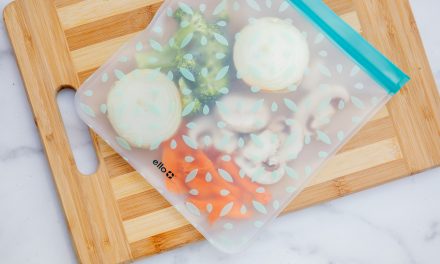
Another solution is utilizing silicone food storage bags that allow for air circulation while keeping moisture at bay. These reusable bags are eco-friendly alternatives that help maintain grape quality without contributing to waste.
In conclusion, understanding how to store grapes properly can significantly extend their shelf life while preserving their delightful flavor and texture. By selecting fresh fruit, preparing it correctly, choosing appropriate containers, and maintaining optimal temperature settings, you can enjoy these delicious fruits for longer periods without compromising quality.
### FAQ Section
1. **How long do fresh grapes last in the refrigerator?**
Fresh grapes typically last about one week when stored properly in the refrigerator.
2. **Can I wash grapes before storing them?**
It is best not to wash grapes before storage; instead, wash them just before consumption to prevent excess moisture.
3. **What temperature should I store grapes at?**
The ideal temperature range for storing grapes is between 30°F to 32°F (-1°C to 0°C).
4. **How can I tell if my grapes are spoiled?**
Spoiled grapes may appear mushy, have dark spots or mold growth, or emit an off odor.
5. **Can I freeze grapes?**
Yes! Freezing grapes is an excellent way to preserve them for several months without significant loss of quality.
6. **What should I do if my grapes start wilting?**
Soak wilted grapes in cold water for about 30 minutes or use ice water mixed with vinegar or lemon juice to revive them.
7. **Should I store grapes with other fruits?**
Avoid storing grapes near ethylene-producing fruits like bananas or apples as they can accelerate ripening and spoilage.
8. **What type of container is best for grape storage?**
Use breathable containers such as perforated plastic bags or shallow containers lined with paper towels for optimal storage conditions.
9. **How do I know if I selected fresh grapes?**
Look for plump clusters with vibrant color and a natural bloom on the skin; avoid any that show signs of bruising or soft spots.
10. **Can I use regular plastic bags for grape storage?**
Yes, but ensure they have holes or are slightly open to allow airflow; avoid airtight bags that trap moisture.
In summary, proper grape storage techniques encompass selecting fresh fruit, preparing it adequately before storage, utilizing suitable containers, maintaining optimal temperatures, and employing freezing methods when necessary. By following these guidelines and avoiding common pitfalls, you can enjoy fresh grapes longer while minimizing waste.
FAQs
What is the best temperature to store grapes for freshness?
The ideal temperature for storing grapes is between 30°F and 32°F (-1°C to 0°C). This cold environment helps to slow down the ripening process and maintain their firmness and freshness.
Should grapes be washed before storing?
No, it is recommended not to wash grapes before storing them. Washing can introduce moisture, which may lead to mold growth. Instead, wash them just before consumption.
How should grapes be stored to prevent bruising?
Grapes should be stored in a single layer in a breathable container, such as a perforated plastic bag or a colander. Avoid stacking them to prevent bruising and damage to the fruit.
Can grapes be stored in the refrigerator?
Yes, grapes should be stored in the refrigerator to keep them fresh. Placing them in the crisper drawer helps maintain the right humidity levels and temperature for optimal storage.
How long can grapes be stored while remaining fresh?
When stored properly in the refrigerator, grapes can remain fresh for about one to two weeks. However, it’s best to consume them sooner for optimal taste and texture.