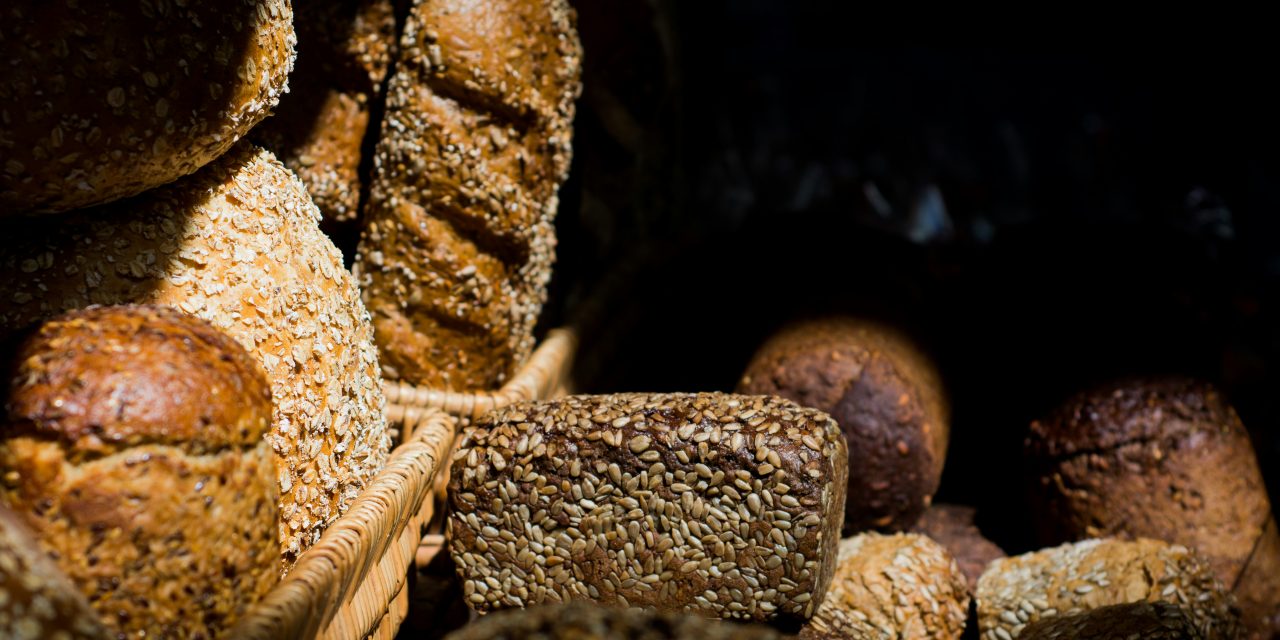
Homemade bread is a delightful culinary creation that brings warmth and comfort to any meal. However, understanding its shelf life is crucial for both food safety and quality preservation. Typically, homemade bread can last anywhere from 2 to 7 days at room temperature, depending on the ingredients used and the storage conditions. Factors such as moisture content, type of flour, and the presence of preservatives can significantly influence how long your bread remains fresh. Unlike commercial bread, which often contains additives to prolong shelf life, homemade varieties are more susceptible to spoilage.
The shelf life of homemade bread can be categorized into three main phases: freshness, staleness, and spoilage. Freshness is characterized by a soft crust and moist interior, while staleness occurs when the bread begins to lose moisture and becomes hard. Spoilage is marked by visible signs of mold or an off-putting odor. Understanding these phases can help bakers make informed decisions about consumption and storage.
Factors That Affect Bread Freshness
Several factors play a pivotal role in determining the freshness of homemade bread. One of the most significant is the type of flour used. Whole grain flours, for instance, contain more oils than white flour, which can lead to quicker rancidity. Additionally, the hydration level of the dough affects how long the bread will stay fresh; higher hydration typically results in a softer crumb but may also lead to faster spoilage if not stored properly.
Environmental conditions also impact bread freshness. Humidity levels in the kitchen can accelerate mold growth, while dry air can cause bread to stale more quickly. Temperature is another critical factor; bread stored in warmer environments tends to spoil faster than that kept in cooler conditions. Understanding these variables allows bakers to take proactive measures to extend the life of their homemade creations.
Signs Your Homemade Bread Has Gone Bad

Identifying when homemade bread has gone bad is essential for both health and enjoyment. One of the most apparent signs is the presence of mold, which can appear as green, blue, or white spots on the surface. Mold can develop within just a few days if the bread is stored improperly or in a humid environment. If you notice any mold, it’s crucial to discard the entire loaf, as mold spores can penetrate deeper than visible spots.
Another indicator of spoilage is an off odor. Fresh bread typically has a pleasant aroma, while spoiled bread may emit sour or rancid smells due to fermentation or bacterial growth. Texture changes are also significant; if the crust feels excessively hard or the interior is dry and crumbly, it may be past its prime. Regularly inspecting your homemade bread for these signs can help ensure that you consume it while it’s still safe and enjoyable.
Best Practices for Storing Homemade Bread at Room Temperature

To maximize the freshness of homemade bread at room temperature, certain best practices should be followed. First and foremost, it’s essential to allow the bread to cool completely before storing it. This prevents condensation from forming inside the storage container, which can lead to mold growth. Once cooled, wrap the loaf in a clean kitchen towel or place it in a paper bag to maintain its crust while allowing some air circulation.
Choosing the right location for storage is equally important. Bread should be kept in a cool, dry place away from direct sunlight and heat sources. A pantry or bread box is ideal for this purpose. Avoid storing bread in plastic bags at room temperature, as this can trap moisture and promote mold growth. By adhering to these practices, bakers can enjoy their homemade bread for several days without compromising quality.
How to Store Homemade Bread in the Refrigerator
While refrigeration may seem like a logical choice for extending the shelf life of homemade bread, it’s generally not recommended due to its tendency to dry out the loaf. However, if you live in a particularly humid environment where mold is a concern, refrigeration may be necessary. To store homemade bread in the refrigerator effectively, first wrap it tightly in plastic wrap or aluminum foil to minimize exposure to air.
It’s important to note that refrigeration can alter the texture of bread, making it stale more quickly than if stored at room temperature. Therefore, only refrigerate bread if you anticipate not consuming it within a few days and if mold growth is a significant concern. When ready to eat, consider warming the bread in an oven or toaster to restore some of its original texture.
Freezing Homemade Bread: When and How to Do It
Freezing is one of the most effective methods for preserving homemade bread long-term without sacrificing quality. Ideally, bread should be frozen when it is still fresh—within a day or two of baking—to maintain optimal flavor and texture. To freeze homemade bread properly, slice it into individual portions before wrapping each slice tightly in plastic wrap or aluminum foil. This allows for easy thawing without needing to defrost the entire loaf.
Once wrapped, place the slices in an airtight freezer bag or container labeled with the date of freezing. Homemade bread can typically be stored in the freezer for up to three months without significant loss of quality. It’s essential to ensure that no air remains in the packaging to prevent freezer burn, which can negatively affect taste and texture.
Thawing Frozen Homemade Bread Properly
Thawing frozen homemade bread requires careful attention to preserve its quality and texture. The best method is to remove the desired number of slices from the freezer and allow them to thaw at room temperature for about 30 minutes to an hour. This gradual thawing process helps maintain moisture levels within the bread.
For those who prefer a warm slice immediately, consider using a toaster or oven instead. Simply toast frozen slices directly without thawing them first; this method not only warms but also revitalizes the crust’s crispness. If you have an entire loaf that needs thawing, place it in a preheated oven at 350°F (175°C) for about 15-20 minutes until warmed through.
Tips to Maintain Moisture and Texture After Storage
Maintaining moisture and texture after storage is crucial for enjoying homemade bread at its best. One effective strategy is to use steam when reheating; placing a small pan of water in the oven while warming bread creates steam that helps retain moisture. Alternatively, wrapping slices in a damp paper towel before microwaving can also achieve similar results.
Another tip involves using a crusty loaf; consider slicing only what you need and leaving the rest whole until ready to consume. This practice minimizes exposure to air and helps retain moisture within the loaf itself. Additionally, storing leftover bread with a slice of apple or celery can help maintain moisture levels due to their natural water content.
Using Bread Bags, Containers, and Wraps Effectively
Selecting appropriate storage materials is vital for preserving homemade bread’s freshness. Bread bags made from breathable materials like cotton or linen are excellent choices as they allow air circulation while preventing excessive moisture buildup. Avoid plastic bags unless you plan on consuming the bread within a day or two.
For longer storage periods, consider using airtight containers designed specifically for bread storage. These containers help regulate humidity levels while keeping out unwanted pests and contaminants. When wrapping bread for freezing, opt for heavy-duty aluminum foil or freezer-safe plastic wrap that provides an airtight seal to prevent freezer burn.
Avoiding Common Mistakes in Bread Storage
Several common mistakes can hinder the freshness of homemade bread if not addressed properly. One prevalent error is slicing into a loaf before it has cooled completely; this practice allows steam to escape prematurely and leads to staleness. Always ensure that your bread has cooled on a wire rack before cutting into it.
Another mistake involves storing bread near strong-smelling foods; bread readily absorbs odors from its surroundings, which can alter its flavor profile negatively. Additionally, avoid leaving bread exposed on countertops for extended periods; this increases its chances of drying out or developing mold due to environmental factors.
Creative Ways to Use Leftover or Stale Homemade Bread
Leftover or stale homemade bread doesn’t have to go to waste; there are numerous creative ways to repurpose it into delicious dishes. One popular option is making breadcrumbs by processing stale slices in a food processor; these breadcrumbs can be used for coating proteins or as toppings for casseroles.
Another idea involves transforming stale bread into croutons by cubing it and tossing with olive oil and seasonings before baking until crispy. Additionally, consider making French toast or bread pudding as delightful breakfast options that breathe new life into leftover loaves.
In summary, understanding how to store homemade bread effectively ensures that bakers can enjoy their creations at peak freshness while minimizing waste. By recognizing factors affecting freshness, identifying signs of spoilage, and employing best practices for storage—whether at room temperature, in refrigeration, or through freezing—bread enthusiasts can savor their culinary efforts longer while exploring creative uses for any leftovers they may have.
FAQs
How long does homemade bread last at room temperature?
Homemade bread typically lasts about 2 to 3 days when stored at room temperature. To maximize freshness, it should be kept in a cool, dry place, preferably in a bread box or wrapped in a clean kitchen towel.
Can I store homemade bread in the refrigerator?
While it is possible to store homemade bread in the refrigerator, it is not recommended as it can lead to faster staling due to the cool temperatures. If you must refrigerate it, make sure to wrap it tightly to prevent it from drying out.
What is the best way to freeze homemade bread?
The best way to freeze homemade bread is to slice it first, then wrap it tightly in plastic wrap or aluminum foil, and place it in an airtight freezer bag. This helps to preserve its texture and flavor, allowing you to take out only the slices you need.
How long can I keep homemade bread in the freezer?
Homemade bread can be kept in the freezer for up to 3 months without significant loss of quality. After this period, it may still be safe to eat, but the texture and flavor may deteriorate.
How can I tell if homemade bread has gone bad?
Signs that homemade bread has gone bad include mold growth, an off smell, or a dry, hard texture. If you notice any of these signs, it is best to discard the bread to avoid any health risks.