Refrigeration is a common practice for preserving food, yet it can have detrimental effects on bread quality. The primary reason lies in the process of starch retrogradation, which occurs when bread is cooled. When bread is stored in a cold environment, the starch molecules crystallize more rapidly, leading to a firmer texture and a loss of moisture. This phenomenon results in bread becoming stale much faster than it would at room temperature. Additionally, the cold environment can alter the bread’s flavor profile, diminishing its overall taste and aroma.
Moreover, refrigeration can also affect the microbial activity within the bread. While it may inhibit mold growth, it does not prevent it entirely. The cold temperature can create an environment conducive to certain bacteria that thrive in cooler conditions, potentially leading to spoilage. Therefore, understanding the biochemical processes at play is crucial for anyone looking to maintain the quality of their bread.
Choosing the Right Type of Bread for Room Temperature Storage
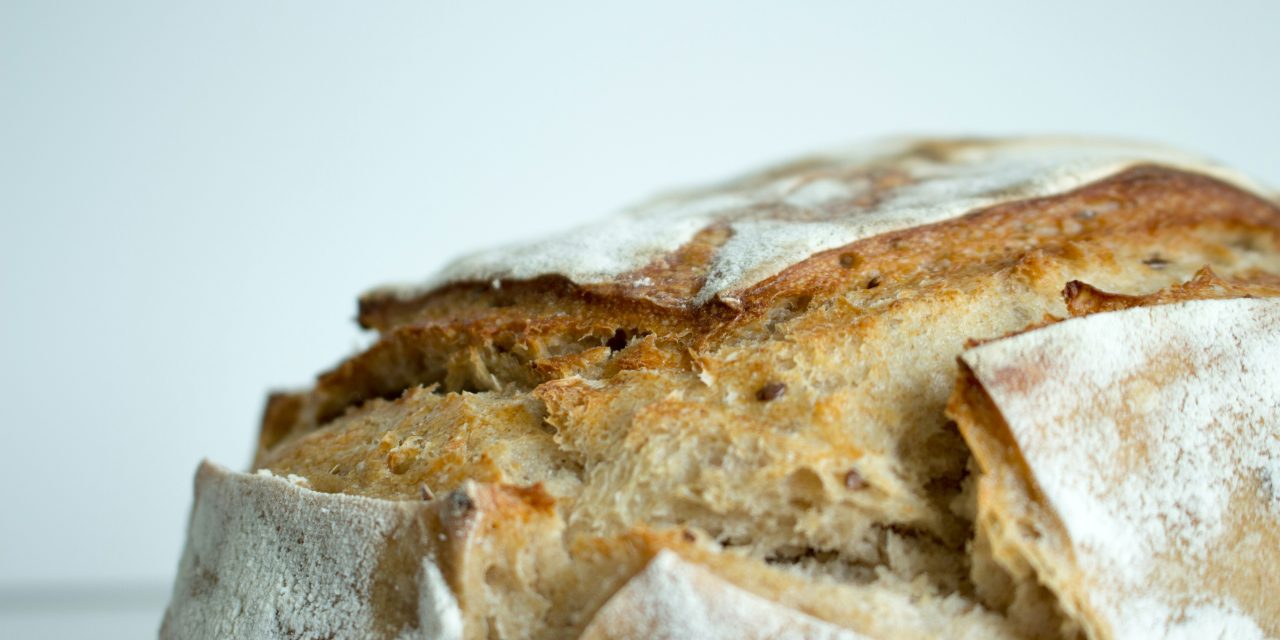
When selecting bread for room temperature storage, it is essential to consider the type of bread being purchased. Artisan breads, such as sourdough or ciabatta, are often made with minimal preservatives and can be stored at room temperature for a few days without significant quality loss. These breads typically have a crusty exterior that helps retain moisture and flavor.
Conversely, commercially produced breads often contain preservatives designed to extend shelf life. While these breads may last longer at room temperature, they may lack the depth of flavor and texture found in artisanal varieties. Whole grain breads, rich in fiber and nutrients, can also be a good choice for room temperature storage, as their denser structure helps maintain freshness longer than lighter white breads.
The Importance of Proper Bread Storage Containers

The choice of storage container plays a pivotal role in maintaining bread quality. Bread should ideally be stored in a container that allows for some airflow while protecting it from external elements. A breathable fabric bag or a paper bag can be effective in preventing moisture buildup, which can lead to mold growth.
Plastic bags, while convenient, can trap moisture and create a humid environment that accelerates spoilage. Therefore, selecting the right storage container is crucial for preserving the texture and flavor of bread. Additionally, keeping bread away from direct sunlight and heat sources will further enhance its longevity.
Using Bread Boxes to Maintain Freshness

Bread boxes are an excellent solution for maintaining the freshness of bread. These containers are designed to provide an optimal environment for bread storage by balancing airflow and humidity levels. A well-ventilated bread box prevents moisture accumulation while still allowing the bread to breathe, which helps retain its crusty exterior.
Moreover, bread boxes come in various materials such as wood, metal, or ceramic, each offering unique benefits. Wooden boxes can absorb excess moisture while providing insulation, whereas metal boxes are often more durable and easier to clean. Regardless of the material chosen, using a bread box can significantly extend the shelf life of your favorite loaves.
Wrapping Bread: Best Materials to Use
Wrapping bread properly is essential for preserving its quality during storage. The best materials for wrapping include parchment paper or wax paper, which allow for some airflow while preventing excessive moisture loss. These materials help maintain the crust’s integrity while keeping the interior soft.
Avoid using plastic wrap or aluminum foil for long-term storage, as these materials can trap moisture and lead to sogginess or mold growth. If you must use plastic wrap for short-term storage, ensure that the bread is completely cooled before wrapping to minimize condensation buildup.
The debate between storing bread in paper versus plastic bags is ongoing among culinary enthusiasts. Paper bags are generally preferred for short-term storage as they allow for airflow and help maintain crustiness. They are particularly effective for artisan breads that benefit from a drier environment.
On the other hand, plastic bags may be suitable for softer breads that require moisture retention to prevent drying out. However, it is crucial to monitor the bread closely when using plastic bags to avoid mold growth due to trapped humidity. Ultimately, the choice between paper and plastic should be based on the type of bread and how quickly it will be consumed.
Keeping Bread Away from Heat and Humidity
Heat and humidity are two significant factors that can compromise bread quality. Storing bread in a warm environment accelerates staling due to increased enzymatic activity and moisture evaporation. Therefore, it is advisable to keep bread in a cool, dry place away from direct sunlight or heat sources such as ovens or radiators.
Humidity can also lead to mold growth and spoilage. To combat this issue, ensure that your storage area has adequate ventilation and low humidity levels. Using a dehumidifier or air conditioning can help maintain optimal conditions for bread storage.
Freezing Bread as an Alternative to Refrigeration
Freezing is an effective alternative to refrigeration for preserving bread quality over extended periods. When properly frozen, bread can maintain its flavor and texture for several months without significant degradation. To freeze bread effectively, slice it beforehand so that you can easily thaw only what you need.
Wrap the sliced loaf tightly in plastic wrap or aluminum foil before placing it in an airtight freezer bag to prevent freezer burn. When ready to consume, remove the desired slices and allow them to thaw at room temperature or toast them directly from frozen for a quick snack.
Reviving Stale Bread Without Refrigeration
Reviving stale bread is possible without resorting to refrigeration methods. One effective technique involves lightly spritzing the stale loaf with water and placing it in a preheated oven at 350°F (175°C) for about 10 minutes. This process rehydrates the crust and softens the interior, making it more palatable.
Another method includes wrapping stale bread in a damp cloth and microwaving it for short intervals until warmed through. However, caution should be exercised with this method to avoid overheating, which can lead to further staleness.
Tips for Buying Bread That Stays Fresh Longer
When purchasing bread, consider several factors that contribute to its longevity. Opt for loaves with fewer preservatives and additives; these tend to have a shorter shelf life but often taste better. Look for breads with a firm crust and dense crumb structure, as these characteristics typically indicate better moisture retention.
Additionally, check expiration dates and choose loaves that have been freshly baked or packaged recently. If possible, buy from local bakeries where turnover is high; this ensures you receive fresher products compared to mass-produced options found in supermarkets.
When to Consume Bread for Optimal Freshness
To enjoy bread at its best quality, timing is crucial. Most breads are best consumed within 2-3 days of purchase when stored at room temperature in appropriate conditions. For those opting for freezing methods, aim to consume frozen slices within three months for optimal flavor and texture.
Pay attention to sensory cues such as aroma and texture; if the bread begins to smell off or feels excessively hard or dry, it may be time to discard it. Regularly monitoring your stored bread will help ensure you enjoy it at its freshest.
In summary, understanding how refrigeration affects bread quality is essential for maintaining its freshness and flavor. Choosing the right type of bread for room temperature storage, utilizing proper containers like bread boxes, and wrapping techniques are all critical components of effective storage practices. Keeping bread away from heat and humidity while considering freezing as an alternative can significantly extend its shelf life. By following these guidelines and being mindful of consumption timing, you can enjoy deliciously fresh bread consistently.
FAQs
Why should bread not be refrigerated?
Refrigerating bread can actually cause it to stale faster due to a process called retrogradation, where the starches crystallize more quickly at lower temperatures. This can lead to a dry and crumbly texture, making the bread less enjoyable to eat.
What is the best way to store bread at room temperature?
The best way to store bread at room temperature is to keep it in a cool, dry place, ideally in a bread box or a paper bag. This helps to maintain the bread’s moisture while allowing it to breathe, preventing mold growth.
Can I use plastic bags to keep bread fresh?
While plastic bags can help retain moisture, they can also trap humidity and lead to mold growth. If you choose to use a plastic bag, make sure to use it only for short-term storage and consider placing a paper towel inside to absorb excess moisture.
How long can bread stay fresh without refrigeration?
Typically, bread can stay fresh for about 3 to 7 days at room temperature, depending on the type of bread and the storage conditions. Artisan breads may last longer than commercially produced breads due to fewer preservatives.
Are there any methods to extend the freshness of bread?
Yes, you can extend the freshness of bread by freezing it. Wrap the bread tightly in plastic wrap or aluminum foil and place it in an airtight container before freezing. When you’re ready to eat it, simply thaw it at room temperature or toast it directly from the freezer.