Sweet potatoes, scientifically known as Ipomoea batatas, are a nutrient-dense tuber that requires specific conditions for optimal storage. The ideal environment for preserving their quality involves controlling temperature, humidity, and light exposure. When stored correctly, sweet potatoes can maintain their flavor and nutritional value for several months. The primary goal is to create a stable environment that minimizes the risk of spoilage and decay.
The ideal storage conditions for sweet potatoes include a temperature range of 55°F to 60°F (approximately 13°C to 16°C). This temperature range is crucial because it slows down the respiration rate of the tubers, thereby extending their shelf life. Additionally, maintaining a humidity level of around 85% to 90% is essential to prevent dehydration and shriveling. Exposure to light should be minimized, as it can lead to the development of solanine, a toxic compound that can affect the taste and safety of the sweet potatoes.
Selecting the Best Sweet Potatoes for Long-Term Storage
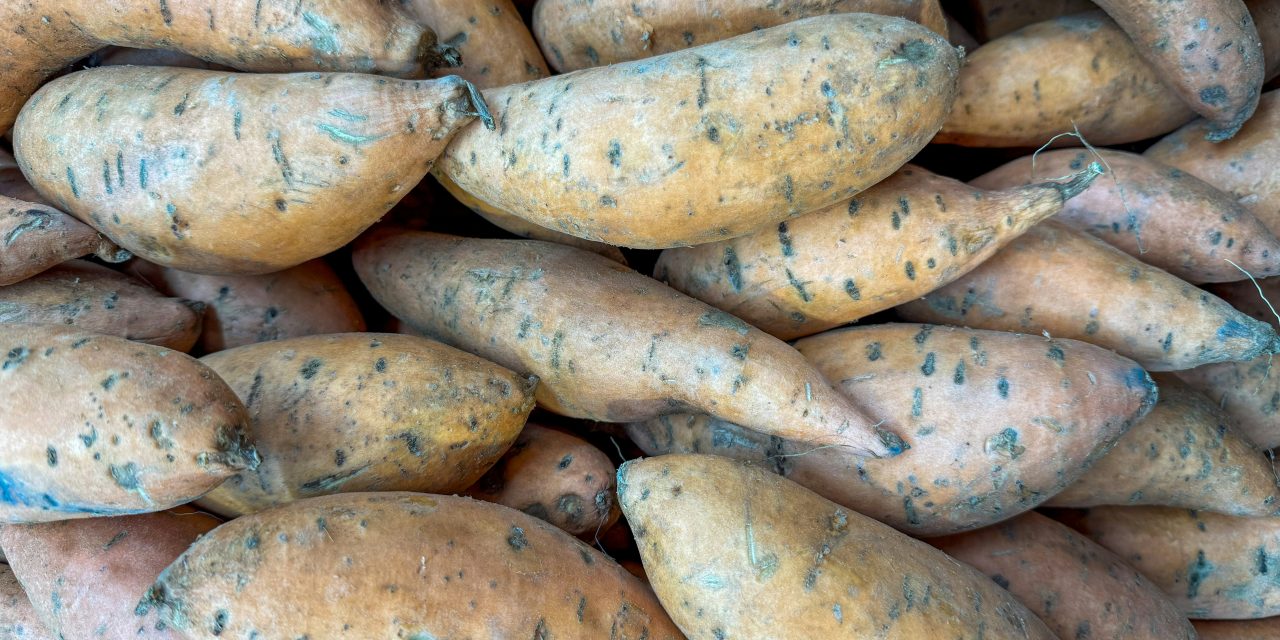
Choosing the right sweet potatoes is fundamental to ensuring a successful storage experience. When selecting sweet potatoes, look for specimens that are firm, smooth, and free from blemishes or soft spots. The skin should be intact without any cuts or bruises, as these imperfections can lead to accelerated spoilage. Additionally, avoid sweet potatoes that exhibit signs of sprouting or have a wrinkled appearance, as these indicate aging and reduced quality.
It is also beneficial to consider the variety of sweet potatoes being selected. There are numerous cultivars available, including orange-fleshed, purple-fleshed, and white-fleshed varieties. Each type has its unique flavor profile and storage characteristics. For long-term storage, orange-fleshed varieties are often preferred due to their higher sugar content and better resistance to decay. Ultimately, selecting high-quality sweet potatoes is a critical step in ensuring they remain fresh and flavorful throughout their storage period.
Preparing Sweet Potatoes Before Storage

Before placing sweet potatoes into storage, proper preparation is essential to maximize their longevity. Begin by gently washing the tubers to remove any dirt or debris that may harbor bacteria or fungi. However, it is crucial to avoid soaking them in water, as excess moisture can promote rot. Instead, use a soft brush or cloth to clean them thoroughly while ensuring that the skin remains intact.
After washing, allow the sweet potatoes to dry completely in a well-ventilated area away from direct sunlight. This drying process is vital because it helps eliminate surface moisture that could lead to mold growth during storage. Once dried, inspect each tuber for any signs of damage or decay. Any compromised sweet potatoes should be set aside for immediate consumption rather than being stored with healthy ones.
How to Cure Sweet Potatoes for Extended Shelf Life

Curing sweet potatoes is a critical step that enhances their flavor and extends their shelf life significantly. This process involves exposing the tubers to warm temperatures and high humidity for a specific duration. Curing allows the starches in sweet potatoes to convert into sugars, resulting in a sweeter taste and improved texture.
To cure sweet potatoes effectively, place them in a warm environment with temperatures ranging from 80°F to 85°F (approximately 27°C to 29°C) for about 10 to 14 days. The humidity level should be maintained at around 85% to 90%. A well-ventilated area such as a greenhouse or a warm room can serve as an ideal curing location. During this period, check the sweet potatoes regularly for any signs of decay or spoilage, removing any affected tubers promptly to prevent further contamination.
Choosing the Right Storage Location
Selecting an appropriate storage location is paramount for maintaining the quality of sweet potatoes over time. Ideal storage areas should be cool, dark, and well-ventilated. A pantry or root cellar can serve as excellent options due to their naturally stable temperatures and humidity levels. Avoid storing sweet potatoes in areas exposed to direct sunlight or near heat sources such as ovens or radiators, as these conditions can lead to premature spoilage.
If a root cellar is not available, consider using a basement or an unheated garage as alternative storage options. Ensure that the chosen location has adequate airflow to prevent moisture buildup and reduce the risk of mold growth. Proper ventilation is essential in maintaining an optimal environment for long-term storage.
Proper Temperature and Humidity Levels for Sweet Potato Storage
Maintaining proper temperature and humidity levels is crucial for preserving sweet potatoes’ quality during storage. As previously mentioned, the ideal temperature range for storing sweet potatoes is between 55°F and 60°F (approximately 13°C to 16°C). This temperature range slows down metabolic processes and helps prevent spoilage.
Humidity levels should be kept between 85% and 90% to prevent dehydration while minimizing the risk of mold growth. Using a hygrometer can help monitor humidity levels accurately. If humidity levels are too low, consider placing a damp cloth or sponge in the storage area to increase moisture without saturating the tubers directly. Conversely, if humidity levels are too high, ensure adequate ventilation by opening windows or using fans to circulate air.
Storing Sweet Potatoes in a Pantry or Root Cellar
When storing sweet potatoes in a pantry or root cellar, it is essential to create an environment conducive to their preservation. Begin by placing the tubers in a single layer on shelves or in bins, ensuring they are not stacked on top of one another. This arrangement allows for proper airflow around each tuber, reducing the risk of moisture accumulation and decay.
In a pantry setting, ensure that the area remains dark and cool throughout the storage period. If using a root cellar, take advantage of its natural insulation properties by keeping the door closed when not in use. Regularly check on the sweet potatoes during storage to identify any signs of spoilage early on.
Using Paper Bags, Baskets, or Boxes for Sweet Potato Storage
The choice of storage containers can significantly impact the longevity of sweet potatoes. Utilizing breathable materials such as paper bags, wicker baskets, or cardboard boxes allows for adequate airflow while protecting the tubers from light exposure. Avoid using plastic bags or airtight containers, as these can trap moisture and create an environment conducive to mold growth.
When using paper bags or boxes, ensure they are clean and dry before placing sweet potatoes inside. If using baskets, line them with newspaper or burlap to provide additional protection against light while allowing air circulation. Labeling containers with dates can help track how long the sweet potatoes have been stored.
Avoiding Common Storage Mistakes That Cause Spoilage
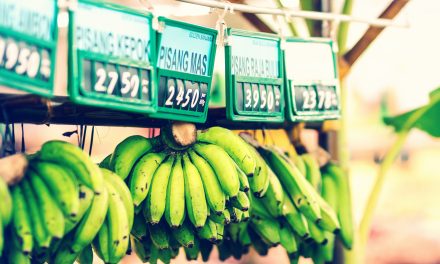
Several common mistakes can lead to premature spoilage of sweet potatoes during storage. One significant error is storing them alongside other fruits and vegetables that emit ethylene gas, such as apples and bananas. Ethylene gas accelerates ripening and can cause sweet potatoes to spoil more quickly.
Another mistake is neglecting regular inspections of stored sweet potatoes. Failing to check for signs of decay can result in one spoiled tuber affecting others nearby. Additionally, improper temperature control—such as exposing sweet potatoes to freezing temperatures—can cause chilling injury and negatively impact their texture and flavor.
How to Check Sweet Potatoes Regularly for Signs of Decay
Regularly inspecting stored sweet potatoes is essential for maintaining their quality over time. During these checks, look for signs of decay such as soft spots, mold growth, or an off-putting odor. If any tubers exhibit these symptoms, remove them immediately from storage to prevent further contamination of healthy specimens.
It is also advisable to gently squeeze each sweet potato during inspections; they should feel firm without any mushy areas. If you notice any sprouting or wrinkling, consider consuming those tubers first before they deteriorate further.
Tips for Extending Sweet Potato Freshness After Storage
To extend the freshness of sweet potatoes after storage, consider implementing several strategies that promote longevity while maintaining quality. First and foremost, avoid washing sweet potatoes until just before use; this prevents excess moisture from promoting spoilage during storage.
Additionally, when preparing sweet potatoes for cooking or baking, opt for methods that preserve their natural flavors without excessive added ingredients that could mask their taste. Roasting or steaming are excellent options that enhance sweetness while retaining nutrients.
Lastly, consider freezing cooked sweet potatoes if you have an abundance that you cannot consume in time. Cooked sweet potatoes can be mashed or cubed before being placed in airtight containers or freezer bags for long-term preservation without compromising flavor.
In summary, understanding how to store sweet potatoes effectively involves selecting high-quality tubers, preparing them properly before storage, curing them appropriately, and maintaining optimal temperature and humidity levels in suitable locations like pantries or root cellars. By avoiding common mistakes and regularly checking for signs of decay, you can ensure your sweet potatoes remain fresh and flavorful for an extended period while employing various strategies post-storage to enjoy their nutritional benefits fully.
FAQs
What is the best temperature to store sweet potatoes?
The ideal temperature for storing sweet potatoes is between 55°F and 60°F (13°C to 16°C). This temperature range helps to prevent sprouting and decay while maintaining their flavor and texture.
Should sweet potatoes be stored in the refrigerator?
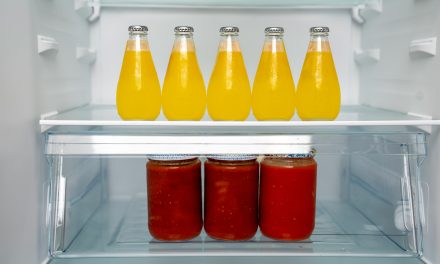
No, sweet potatoes should not be stored in the refrigerator. Cold temperatures can cause their starches to convert to sugars, resulting in an undesirable taste and texture. Instead, they should be kept in a cool, dark, and well-ventilated place.
How long can sweet potatoes be stored?
When stored properly in a cool, dark, and dry environment, sweet potatoes can last for several weeks to a few months. However, their shelf life may vary depending on the variety and initial quality of the sweet potatoes.
What is the best way to prepare sweet potatoes for storage?
Before storing sweet potatoes, it is important to keep them dry and free from any cuts or bruises. Avoid washing them until you are ready to use them, as moisture can promote mold growth. Store them in a breathable container, such as a basket or a cardboard box, to allow for air circulation.
Can sweet potatoes be stored with other vegetables?
It is best to store sweet potatoes separately from other vegetables, especially those that produce ethylene gas, such as apples and bananas. Ethylene can cause sweet potatoes to spoil more quickly, so keeping them in isolation helps extend their shelf life.