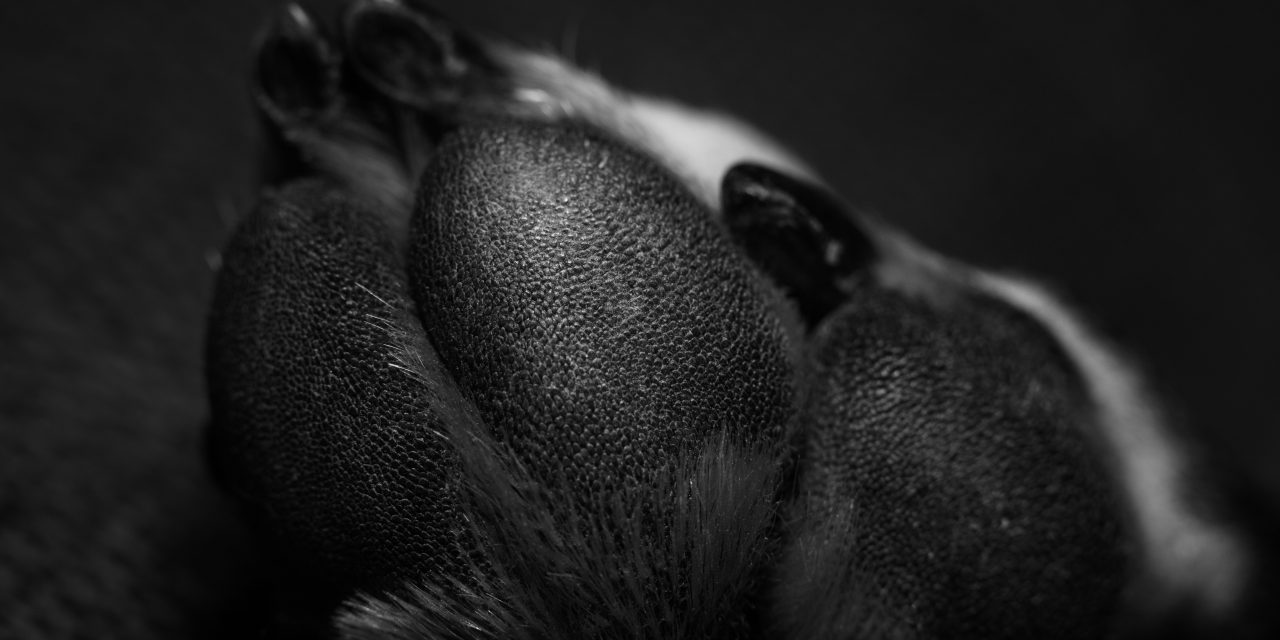
Dry or cracked paw pads in dogs can be a distressing condition that not only affects their comfort but can also lead to more severe health issues if left untreated. The causes of this condition are multifaceted, ranging from environmental factors to underlying health problems. One of the primary culprits is exposure to harsh weather conditions. Cold temperatures, snow, and ice can lead to chapping, while hot pavement or sand can cause burns and dehydration of the skin. Additionally, certain chemicals, such as de-icing agents or lawn treatments, can irritate the sensitive skin of a dog’s paws.
Another significant factor contributing to dry or cracked paw pads is a lack of moisture. Just like human skin, a dog’s paw pads require adequate hydration to maintain their elasticity and resilience. Dogs that spend most of their time indoors may not have the same exposure to natural elements that help keep their pads healthy. Furthermore, certain medical conditions, such as hypothyroidism or autoimmune disorders, can also lead to skin issues, including dryness and cracking. Identifying the root cause is crucial for effective treatment and prevention.
Recognizing the Signs of Paw Pad Damage
Recognizing the signs of paw pad damage is essential for timely intervention and care. One of the most apparent indicators is visible cracking or peeling of the paw pads. These fissures can vary in severity, from superficial cracks that may not cause pain to deep fissures that can bleed and become infected. In addition to visible damage, dogs may exhibit behavioral changes such as limping, reluctance to walk, or excessive licking of their paws. These behaviors often indicate discomfort or pain associated with damaged pads.
Other signs to watch for include swelling around the paw pads, which may suggest inflammation or infection. Dogs may also develop a foul odor emanating from their paws if bacteria or fungi are present due to open wounds. Observing your dog’s grooming habits can provide further insight; excessive licking or chewing at the paws can exacerbate existing issues and lead to secondary infections. Regularly inspecting your dog’s paws for any abnormalities is vital in maintaining their overall health and well-being.
Cleaning Your Dog’s Paws Safely

Maintaining clean paws is an integral part of preventing and treating dry or cracked paw pads. However, it is essential to clean them safely to avoid causing further irritation. Begin by using lukewarm water and a gentle pet-safe soap to wash your dog’s paws after walks or outdoor playtime. Avoid using harsh chemicals or human soaps, as these can strip natural oils from the skin and exacerbate dryness.
After washing, thoroughly rinse the paws to remove any soap residue, which could irritate the skin if left behind. Pat the paws dry with a soft towel, ensuring that you dry between the toes where moisture can accumulate and lead to fungal infections. For dogs that are particularly prone to paw pad issues, consider using a damp cloth to wipe their paws regularly, especially during seasonal changes when environmental factors may contribute to dryness.
Choosing the Right Moisturizer for Paw Pads

Selecting an appropriate moisturizer for your dog’s paw pads is crucial in promoting healing and preventing future issues. Look for products specifically formulated for canine use, as human moisturizers may contain ingredients that are harmful if ingested. Natural ingredients such as shea butter, coconut oil, and beeswax are excellent choices due to their hydrating properties and ability to create a protective barrier on the skin.
When choosing a moisturizer, consider your dog’s specific needs. For instance, if your dog has particularly sensitive skin or allergies, opt for hypoallergenic formulations free from artificial fragrances and dyes. Additionally, consult with your veterinarian for recommendations on effective products tailored to your dog’s unique health profile. Regular application of a suitable moisturizer can significantly improve the condition of your dog’s paw pads over time.
Applying Paw Balm or Ointment Properly
Proper application of paw balm or ointment is essential for maximizing its effectiveness in treating dry or cracked paw pads. Begin by ensuring that your dog’s paws are clean and dry before applying any product. Take a small amount of balm and gently massage it into the affected areas of the paw pads, focusing on cracks and dry spots. This not only helps distribute the product evenly but also promotes blood circulation in the area.
It is important to monitor your dog after application to prevent them from licking off the balm immediately. If necessary, consider using an Elizabethan collar or a protective bootie until the product has had time to absorb fully into the skin. Regular application—ideally once or twice daily—can yield significant improvements in the texture and health of your dog’s paw pads over time.
Protecting Paws from Harsh Weather Conditions
Protecting your dog’s paws from harsh weather conditions is vital in preventing damage and discomfort. During winter months, consider using paw wax or balms designed specifically for cold weather protection. These products create a barrier against ice and snow while also moisturizing the skin. Additionally, avoid walking your dog on icy surfaces whenever possible, as this can lead to slips and injuries.
In contrast, during hot summer months, it is crucial to avoid walking your dog on hot pavement or sand, which can cause burns on their paw pads. Schedule walks during cooler parts of the day—early morning or late evening—to minimize exposure to extreme temperatures. If you must walk on potentially harmful surfaces, consider using protective booties designed for hot weather conditions.
Using Booties and Paw Protectors
Booties and paw protectors serve as an excellent preventive measure against environmental hazards that can damage your dog’s paw pads. These protective coverings come in various materials and designs tailored for different weather conditions and activities. For instance, insulated booties are ideal for winter walks in snowy environments, while breathable options are better suited for summer outings.
When selecting booties for your dog, ensure they fit snugly but comfortably without restricting movement. It may take some time for your dog to adjust to wearing booties; gradual introduction through short periods of wear can help them acclimate more easily. Regular use of booties during walks can significantly reduce the risk of injuries caused by sharp objects or extreme temperatures.
Maintaining Regular Paw Care Routine
Establishing a regular paw care routine is essential for preventing dry or cracked paw pads and ensuring overall foot health in dogs. This routine should include regular inspections of the paws for any signs of damage or irritation, as well as routine cleaning after outdoor activities. Incorporating moisturizing treatments into this routine will help maintain hydration levels in the skin.
Additionally, regular nail trimming is crucial; overgrown nails can alter a dog’s gait and lead to undue stress on their paw pads. Consult with a veterinarian or professional groomer if you are unsure how to trim nails safely at home. By committing to a consistent paw care regimen, you can significantly enhance your dog’s comfort and quality of life.
When to Consult a Veterinarian
While many cases of dry or cracked paw pads can be managed at home with proper care and attention, there are instances when consulting a veterinarian becomes necessary. If you notice persistent signs of discomfort despite implementing home care strategies—such as excessive licking, swelling, or bleeding—it is crucial to seek professional advice promptly.
Additionally, if you suspect an underlying medical condition contributing to your dog’s paw pad issues—such as allergies or autoimmune disorders—a veterinarian’s expertise will be invaluable in diagnosing and treating these concerns effectively. Early intervention can prevent complications and ensure your dog receives appropriate care tailored to their specific needs.
Home Remedies for Minor Paw Pad Issues
For minor cases of dry or cracked paw pads, several home remedies may provide relief and promote healing. One effective remedy involves soaking your dog’s paws in a mixture of warm water and Epsom salt for about 10-15 minutes; this can help soothe irritation and reduce inflammation. After soaking, gently pat the paws dry and apply a natural moisturizer.
Another option is using coconut oil as a topical treatment due to its antibacterial properties and ability to hydrate the skin effectively. Simply apply a thin layer of coconut oil directly onto the affected areas of the paw pads several times a week for optimal results. However, always monitor your dog after applying any home remedy to ensure they do not have adverse reactions.
Preventing Future Paw Pad Problems Through Diet and Exercise
Preventing future paw pad problems involves more than just topical treatments; diet and exercise play crucial roles in maintaining overall skin health in dogs. A balanced diet rich in omega-3 fatty acids—found in fish oil—can promote healthy skin and coat while reducing inflammation throughout the body. Consult with your veterinarian about incorporating supplements into your dog’s diet if necessary.
Regular exercise is equally important; maintaining an active lifestyle helps improve circulation and overall health, which can positively impact skin condition as well. Ensure that exercise routines include varied terrains—grass, dirt paths—to naturally wear down nails while providing different textures for paw pads to adapt to various surfaces.
In summary, understanding the causes of dry or cracked paw pads is essential for effective prevention and treatment strategies. Recognizing signs of damage early allows for timely intervention through safe cleaning practices and appropriate moisturizers. Utilizing protective measures such as booties during harsh weather conditions further safeguards against potential injuries while maintaining regular care routines ensures long-term health benefits for your dog’s paws. Consulting with a veterinarian when necessary will provide tailored solutions for underlying issues while home remedies offer additional support for minor concerns. Ultimately, a holistic approach encompassing diet and exercise will contribute significantly to preventing future paw pad problems.
FAQs
What causes dry or cracked paw pads in dogs?
Dry or cracked paw pads in dogs can be caused by various factors, including environmental conditions such as extreme temperatures, rough surfaces, and exposure to chemicals like salt or de-icers. Additionally, underlying health issues such as allergies, infections, or nutritional deficiencies can contribute to the condition of a dog’s paw pads.
How can I prevent my dog’s paw pads from drying out?
To prevent your dog’s paw pads from drying out, regularly check their paws for signs of wear and tear, keep their paws clean and moisturized, and avoid walking them on hot pavement or icy surfaces. Providing a balanced diet rich in essential fatty acids can also help maintain healthy skin and paw pads.
What are some effective treatments for cracked paw pads?
Effective treatments for cracked paw pads include applying a pet-safe moisturizer or paw balm to soothe and hydrate the pads. In more severe cases, a veterinarian may recommend topical ointments or medications to promote healing. It’s also important to keep the affected area clean and avoid letting your dog walk on rough surfaces until the pads have healed.
When should I take my dog to the vet for paw pad issues?
You should take your dog to the vet if you notice severe cracking, bleeding, or signs of infection such as swelling, pus, or excessive licking. Additionally, if your dog shows signs of pain or discomfort while walking, it’s important to seek veterinary care to address any underlying issues.
Can I use human products on my dog’s paw pads?
It is not recommended to use human products on your dog’s paw pads, as many ingredients in lotions and creams can be harmful to pets. Instead, opt for products specifically formulated for dogs, which are safe and effective for their unique skin needs.