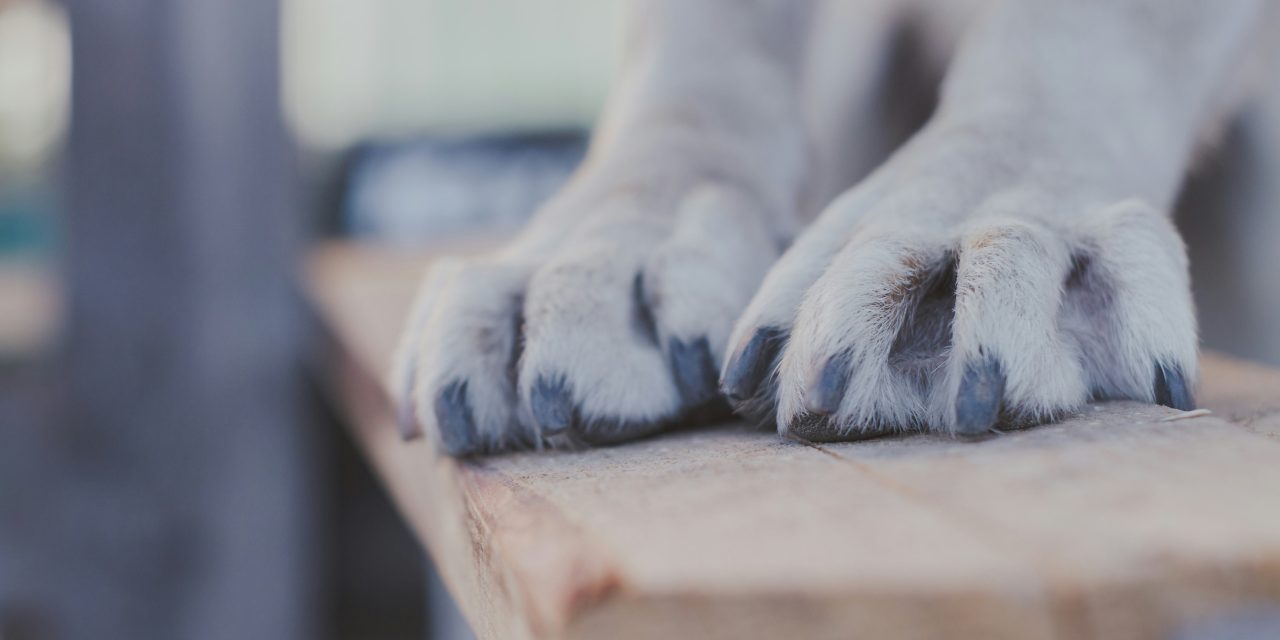
Maintaining your dog’s hygiene is paramount for their overall health and well-being, and one often overlooked aspect is the cleaning of their toes. The interdigital spaces, or the areas between the toes, can accumulate dirt, debris, and moisture, creating an environment conducive to bacterial and fungal infections. Regular cleaning not only prevents these infections but also promotes comfort and mobility in your canine companion. Dogs are naturally curious creatures, often exploring various terrains that expose their paws to harmful substances such as pesticides, chemicals, and allergens.
Moreover, neglecting to clean your dog’s toes can lead to more severe issues such as matting of fur, which can trap moisture and debris, leading to skin irritations or even painful conditions like pododermatitis. By incorporating a routine toe cleaning regimen into your pet care practices, you can significantly enhance your dog’s quality of life. This proactive approach not only fosters a healthier environment for your pet but also strengthens the bond between you and your furry friend through regular grooming sessions.
Identifying Common Types of Dirt and Debris
Understanding the types of dirt and debris that can accumulate between your dog’s toes is essential for effective cleaning. Common culprits include mud, sand, grass clippings, and small pebbles. These materials can easily become lodged in the fur and skin folds, leading to discomfort and potential health issues. Additionally, seasonal changes can introduce unique challenges; for instance, during autumn, leaves and twigs may become trapped, while winter brings snow and ice that can cause irritation or frostbite.
Another significant concern is the presence of allergens such as pollen or dust mites that can exacerbate skin conditions or lead to allergic reactions. Furthermore, if your dog frequents areas where other animals roam, they may come into contact with parasites like fleas or ticks that can hide in the fur between their toes. Recognizing these various types of debris will help you tailor your cleaning approach to effectively address the specific challenges your dog faces.
Preparing the Necessary Supplies

Before embarking on the cleaning process, it is crucial to gather all necessary supplies to ensure a smooth and efficient experience. Essential items include a soft brush or comb designed for pets, a clean cloth or paper towels, cotton swabs for precision cleaning, and pet-safe wipes or cleansers. If you opt for a liquid cleanser, ensure it is specifically formulated for canine use to avoid any adverse reactions.
Additionally, having a pair of scissors on hand can be beneficial for trimming any excess fur that may trap dirt or moisture. A towel is also advisable for drying your dog’s paws after cleaning. If your dog has particularly sensitive skin or allergies, consider using hypoallergenic products to minimize irritation. By preparing these supplies in advance, you can streamline the cleaning process and make it more enjoyable for both you and your pet.
Choosing the Right Location for Cleaning

Selecting an appropriate location for cleaning your dog’s toes is vital for both comfort and efficiency. Ideally, choose a space that is well-lit and free from distractions to help keep your dog calm during the process. A bathroom or laundry room often works well due to their easy-to-clean surfaces and proximity to water sources if needed.
If your dog is particularly anxious or fidgety, consider using a non-slip mat or towel to provide stability during the cleaning process. This will help prevent any accidental slips that could lead to injury. Additionally, having treats on hand can serve as positive reinforcement, encouraging your dog to remain still and cooperative throughout the procedure. Creating a comfortable environment will not only facilitate effective cleaning but also foster a sense of trust between you and your pet.
How to Calm and Restrain Your Dog Safely
Calming and safely restraining your dog during toe cleaning is essential for both their safety and yours. Begin by establishing a calm atmosphere; speak softly to your dog and offer gentle pets to reassure them. If your dog tends to be anxious or squirmy, consider using a harness or leash to provide gentle restraint without causing discomfort.
Another effective technique is to have someone assist you by holding the dog while you focus on cleaning their paws. Alternatively, you can place your dog in a comfortable position on their side or back while gently cradling their paw in your hand. Always monitor their body language; if they show signs of distress such as growling or attempting to escape, take a break and allow them to relax before resuming the process.
Step-by-Step Guide to Removing Dirt from Between Toes
To effectively remove dirt from between your dog’s toes, follow a systematic approach that ensures thorough cleaning without causing discomfort. Begin by gently lifting one paw at a time, allowing you to focus on each toe individually. Use your fingers to separate the toes slightly, providing better access to the interdigital spaces.
Start by using a soft brush or cloth to remove any loose dirt or debris from the surface. For stubborn particles lodged deeper within the fur, employ cotton swabs dipped in a pet-safe cleanser or warm water. Be cautious not to insert anything too deeply into the toe spaces as this could cause injury. After thoroughly cleaning each toe, inspect for any signs of redness, swelling, or irritation that may require further attention.
Using Gentle Tools: Brushes, Cloths, and Cotton Swabs
When it comes to cleaning your dog’s toes, selecting gentle tools is paramount to avoid causing discomfort or injury. A soft-bristled brush designed specifically for pets is ideal for removing loose dirt without irritating sensitive skin. Opt for brushes with rounded tips to prevent scratching.
Cloths should be soft and absorbent; microfiber cloths are an excellent choice as they effectively trap dirt while being gentle on the skin. Cotton swabs are invaluable for precision cleaning in hard-to-reach areas between toes; however, ensure they are used delicately to avoid damaging delicate tissues. By utilizing these gentle tools, you can maintain your dog’s comfort while ensuring thorough cleanliness.
When and How to Use Water or Pet-Friendly Cleansers
Water can be an effective tool in the cleaning process; however, it should be used judiciously to avoid excessive moisture that could lead to fungal infections. If you choose to use water, ensure it is lukewarm and not too hot or cold for your dog’s comfort. Wetting a cloth with warm water can help loosen stubborn debris without soaking the paws excessively.
Pet-friendly cleansers are another option for maintaining hygiene; however, it is crucial to select products specifically formulated for canine use. Avoid human soaps or detergents as they may contain harmful ingredients that could irritate your dog’s skin. When applying cleansers, follow the manufacturer’s instructions carefully and rinse thoroughly with water afterward to prevent residue buildup.
Drying and Inspecting Your Dog’s Paws After Cleaning
After completing the cleaning process, drying your dog’s paws thoroughly is essential to prevent moisture-related issues such as fungal infections or skin irritations. Use a clean towel to gently pat each paw dry, paying special attention to the areas between the toes where moisture tends to accumulate.
Once dried, conduct a thorough inspection of each paw for any signs of redness, swelling, or unusual odors that may indicate underlying issues such as infections or allergies. If you notice any abnormalities during this inspection, consult with a veterinarian promptly for further evaluation and treatment options.
Tips for Preventing Dirt Buildup Between Toes
Preventing dirt buildup between your dog’s toes requires proactive measures that incorporate regular grooming practices into their routine. Frequent walks on varied terrains should be followed by immediate checks of their paws for any debris accumulation. Regularly trimming excess fur around the toes can also minimize trapping dirt and moisture.
Additionally, consider using protective booties during walks in particularly muddy or sandy environments; these can shield your dog’s paws from excessive exposure to dirt while providing comfort. Regularly scheduled grooming sessions will not only keep their paws clean but also allow you to monitor their overall paw health consistently.
When to Consult a Veterinarian for Paw Issues
While regular cleaning can prevent many common paw issues, certain signs warrant immediate consultation with a veterinarian. If you observe persistent redness, swelling, or discharge from between the toes despite regular cleaning efforts, it may indicate an underlying infection requiring medical intervention.
Other concerning symptoms include excessive licking of the paws, limping or reluctance to walk, and foul odors emanating from the paws. These signs could suggest conditions such as allergies, foreign body penetration, or more severe dermatological issues that necessitate professional evaluation and treatment options tailored specifically for your dog’s needs.
In summary, maintaining proper hygiene of your dog’s toes is crucial for preventing infections and ensuring overall health. By understanding common types of debris, preparing necessary supplies, choosing an appropriate location for cleaning, calming your dog effectively during the process, and employing gentle tools and techniques, you can keep their paws clean and healthy. Regular inspections post-cleaning will help identify any potential issues early on while implementing preventive measures will further enhance paw health over time. Always consult with a veterinarian if any concerning symptoms arise during routine care.
FAQs
Why is it important to clean between my dog’s toes?
Cleaning between your dog’s toes is important to prevent the buildup of dirt, debris, and moisture, which can lead to infections, irritations, or fungal growth. Regular cleaning helps maintain your dog’s overall paw health and comfort.
What tools do I need to clean my dog’s toes?
To clean your dog’s toes, you will need a soft cloth or paper towel, warm water, and possibly a mild pet-safe soap. You may also want to use a pair of tweezers or a soft brush to remove any stubborn debris.
How often should I clean my dog’s toes?
The frequency of cleaning your dog’s toes depends on their activity level and environment. Generally, it’s a good idea to check and clean their toes at least once a week, or more often if they frequently walk on dirt, sand, or other debris-prone surfaces.
What signs indicate that my dog’s toes need cleaning?
Signs that your dog’s toes may need cleaning include visible dirt or debris between the toes, excessive licking or chewing of the paws, redness or swelling, and any unusual odor. If you notice any of these signs, it’s time to give their paws a thorough cleaning.
Can I use human products to clean my dog’s toes?
It is not recommended to use human products, such as soaps or lotions, to clean your dog’s toes, as they may contain ingredients that are harmful to pets. Always use pet-safe products specifically designed for animal care to ensure your dog’s safety.