Double-coated dogs possess a unique fur structure that consists of two distinct layers: the undercoat and the outer coat. The undercoat is typically soft and dense, providing insulation and warmth, while the outer coat, often referred to as the guard hair, is coarser and serves as a protective barrier against environmental elements. Breeds such as Siberian Huskies, Golden Retrievers, and German Shepherds are prime examples of double-coated dogs. This dual-layered fur not only contributes to their aesthetic appeal but also plays a crucial role in their overall health and well-being.
The presence of a double coat is an evolutionary adaptation that has allowed these breeds to thrive in various climates. The undercoat acts as a thermal regulator, trapping air close to the skin to maintain body temperature. This characteristic is particularly beneficial for dogs that have ancestral ties to colder regions. Understanding the biology of double-coated dogs is essential for pet owners, as it informs grooming practices, health considerations, and overall care strategies.
The Purpose of a Double Coat
The primary function of a double coat is to provide insulation and protection. The undercoat serves as a thermal barrier, keeping the dog warm during frigid temperatures while also allowing for breathability in warmer weather. This dual functionality is vital for maintaining homeostasis, ensuring that the dog remains comfortable regardless of external conditions. Additionally, the outer coat protects against UV rays, moisture, and debris, acting as a shield against environmental hazards.
Moreover, the double coat plays a significant role in regulating moisture levels on the skin. The outer layer repels water, preventing it from saturating the undercoat and causing skin issues such as dermatitis or fungal infections. This protective mechanism is particularly important for breeds that are prone to skin sensitivities. Understanding the purpose of a double coat can help owners appreciate the importance of proper grooming and maintenance to ensure their dog’s health.
How Double Coats Regulate Temperature

Double coats are remarkable in their ability to regulate temperature through a process known as insulation. The undercoat traps air close to the skin, creating a buffer that helps maintain a stable internal temperature. In cold weather, this insulation keeps warmth from escaping, while in warmer conditions, it allows for airflow that helps cool the dog down. This natural thermoregulation is crucial for preventing overheating or hypothermia.
Additionally, double-coated dogs undergo a seasonal shedding process known as “blowing coat,” where they lose their undercoat in preparation for warmer months. This shedding allows for better airflow and cooling during hot weather. However, it is essential for owners to recognize that this process can vary significantly among breeds and individual dogs. Understanding how double coats function in temperature regulation can aid owners in making informed decisions regarding grooming and care.
Common Myths About Shaving Double-Coated Dogs

One prevalent myth surrounding double-coated dogs is that shaving them will keep them cooler during hot weather. Many owners believe that removing the fur will prevent overheating; however, this misconception can lead to detrimental effects on the dog’s health. Shaving can disrupt the natural insulation properties of the coat, exposing the skin to harmful UV rays and increasing the risk of sunburn or heatstroke.
Another common myth is that double-coated dogs do not shed if they are shaved. In reality, shaving does not eliminate shedding; it merely alters the coat’s natural growth cycle. After shaving, many dogs experience uneven regrowth or changes in texture, which can lead to further grooming challenges down the line. Dispelling these myths is crucial for ensuring that owners make informed decisions about their dog’s grooming needs.
Potential Risks of Shaving Your Dog’s Coat
Shaving a double-coated dog can pose several risks that may compromise its health and well-being. One significant concern is the potential for skin damage. The outer coat serves as a protective barrier against environmental factors; when shaved, the skin becomes vulnerable to irritants, allergens, and parasites. This exposure can lead to skin infections or other dermatological issues.
Additionally, shaving can disrupt the natural growth cycle of the coat. Many dogs experience changes in texture or color after being shaved, which can affect their overall appearance and may require extensive grooming to rectify. Furthermore, without their protective coat, dogs may struggle with temperature regulation, leading to overheating or hypothermia depending on environmental conditions. Understanding these risks is essential for responsible pet ownership.
When Shaving Might Be Necessary
While shaving is generally discouraged for double-coated breeds, there are specific circumstances where it may be necessary. For instance, if a dog has sustained an injury or has developed severe matting that cannot be resolved through regular grooming techniques, shaving may be required to facilitate healing or prevent further complications. In such cases, consulting with a veterinarian or professional groomer is crucial to ensure that the procedure is performed safely.
Another scenario where shaving might be warranted is when a dog has been diagnosed with certain medical conditions that necessitate close monitoring of the skin or underlying tissues. In these instances, shaving may provide better access for veterinary examinations or treatments. However, it is essential to approach such decisions with caution and always prioritize the dog’s overall health and comfort.
Alternatives to Shaving for Summer Comfort
Instead of resorting to shaving, there are several effective alternatives that can help keep double-coated dogs comfortable during hot summer months. Regular grooming is one of the most effective methods for managing heat; brushing helps remove loose fur from the undercoat while promoting airflow around the skin. Tools such as slicker brushes or de-shedding tools can be particularly beneficial in maintaining coat health.
Another alternative is providing ample access to shade and fresh water during outdoor activities. Creating a cool environment with fans or air conditioning indoors can also help regulate your dog’s body temperature. Additionally, investing in cooling mats or vests designed specifically for dogs can provide relief during extreme heat without compromising their natural coat.
Proper Grooming Techniques for Double-Coated Dogs
Grooming double-coated dogs requires specific techniques to ensure optimal coat health and comfort. Regular brushing is essential; owners should aim to brush their dog at least once a week during non-shedding seasons and more frequently during shedding periods. Using appropriate tools such as undercoat rakes or pin brushes can help effectively remove loose fur while preventing matting.
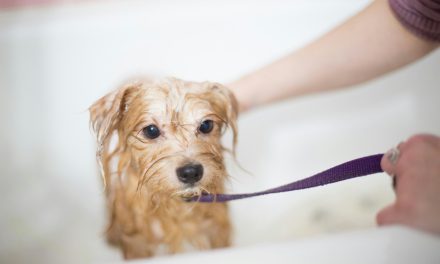
Bathing should also be approached with care; using high-quality dog shampoos formulated for double-coated breeds can help maintain coat integrity without stripping essential oils from the skin. After bathing, thorough drying is crucial to prevent moisture from becoming trapped in the undercoat, which can lead to skin issues. Regular grooming not only enhances appearance but also fosters bonding between owner and pet.
Signs Your Dog Is Overheating
Recognizing signs of overheating in double-coated dogs is vital for ensuring their safety during hot weather conditions. Common symptoms include excessive panting, drooling, lethargy, and difficulty breathing. Additionally, dogs may exhibit signs of distress such as pacing or seeking out cool surfaces to lie on. In severe cases, overheating can lead to heatstroke, characterized by vomiting, disorientation, or collapse.
If any of these symptoms are observed, immediate action should be taken to cool the dog down by moving them to a shaded area or indoors and providing fresh water. Applying cool (not cold) water to their body can also help lower their temperature effectively. Understanding these signs empowers owners to take proactive measures in safeguarding their pets’ health during warmer months.
Tips for Keeping Your Double-Coated Dog Cool in Summer
Keeping double-coated dogs cool during summer requires a multifaceted approach that combines environmental management with proper care practices. Providing plenty of fresh water at all times is essential; hydration plays a critical role in regulating body temperature. Additionally, creating shaded areas in outdoor spaces allows dogs to escape direct sunlight when needed.
Engaging in outdoor activities during cooler parts of the day—such as early morning or late evening—can also help prevent overheating. Incorporating water play into exercise routines can provide both physical activity and cooling relief simultaneously. Lastly, monitoring your dog’s behavior closely during hot weather ensures that any signs of distress are addressed promptly.
Consulting a Professional Groomer or Veterinarian
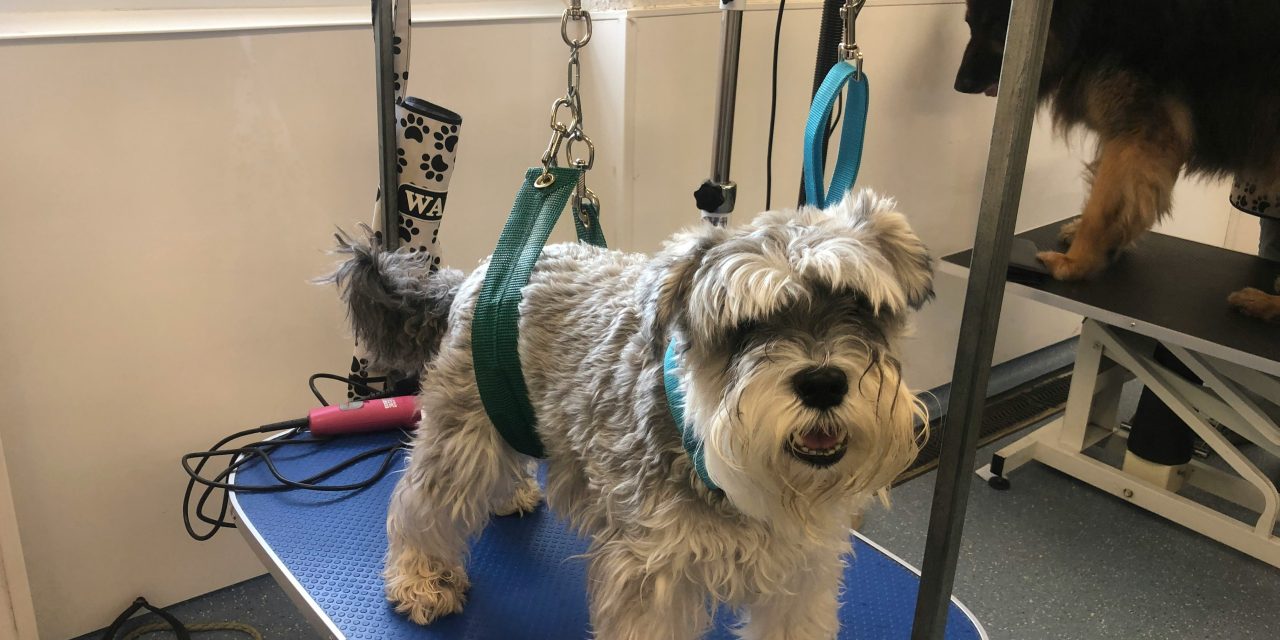
When it comes to caring for double-coated dogs, consulting with professionals such as groomers or veterinarians can provide invaluable insights tailored to individual needs. Professional groomers possess specialized knowledge regarding grooming techniques specific to double coats and can offer advice on maintaining coat health throughout different seasons.
Veterinarians can provide guidance on any underlying health concerns that may affect grooming practices or temperature regulation in your dog. Regular check-ups ensure that any potential issues are addressed early on, promoting overall well-being and longevity for your furry companion.
In summary, understanding double-coated dogs involves recognizing their unique fur structure and its purpose in regulating temperature and providing protection against environmental elements. While myths about shaving persist, it is crucial for owners to be aware of potential risks associated with this practice and explore alternatives for keeping their pets comfortable during hot weather. Proper grooming techniques play an essential role in maintaining coat health while recognizing signs of overheating ensures timely intervention when necessary. Consulting professionals further enhances care strategies tailored specifically for each dog’s needs.
FAQs
What is a double-coated dog?
A double-coated dog has two layers of fur: a soft, insulating undercoat and a longer, protective outer coat. This type of coat helps regulate the dog’s body temperature in both hot and cold weather.
Is it safe to shave a double-coated dog in summer?
Shaving a double-coated dog is generally not recommended, as it can disrupt the natural insulation provided by the coat. This can lead to overheating and skin issues, as the undercoat protects against sunburn and helps regulate temperature.
How can I help my double-coated dog stay cool in summer?
To keep a double-coated dog cool in summer, regular grooming is essential. Brushing helps remove loose fur and allows air to circulate through the coat. Providing plenty of water, shade, and avoiding excessive exercise during peak heat hours are also important.
What are the consequences of shaving a double-coated dog?
Shaving a double-coated dog can lead to several issues, including uneven regrowth, increased risk of sunburn, and potential skin irritations. It may also affect the dog’s ability to regulate its body temperature effectively.
When is it appropriate to shave a double-coated dog?
Shaving a double-coated dog may be appropriate in certain medical situations, such as for surgery or severe matting that cannot be resolved through grooming. Always consult a veterinarian or professional groomer before making this decision.