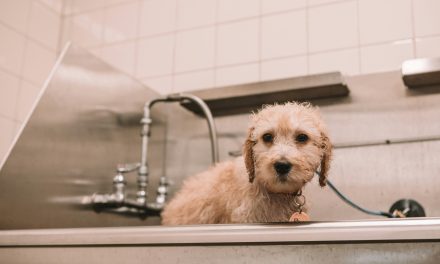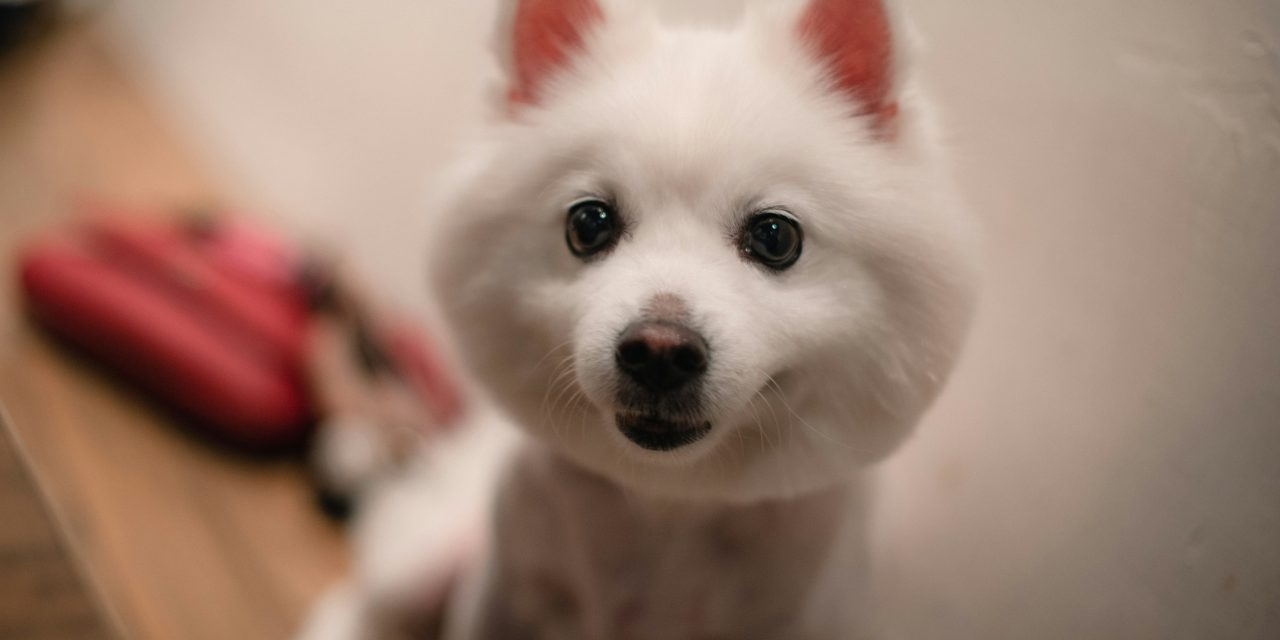
Understanding your pet’s unique grooming requirements is the first step in ensuring their health and well-being. Different breeds have varying grooming needs based on their coat type, skin sensitivity, and overall health. For instance, long-haired breeds such as the Afghan Hound or Shih Tzu require regular brushing to prevent matting and tangles, while short-haired breeds like the Beagle may need less frequent grooming. Additionally, certain breeds are predisposed to specific skin conditions or allergies, necessitating specialized grooming products or techniques.
Moreover, age and health status play a crucial role in determining grooming needs. Senior pets may require gentler handling and more frequent breaks during grooming sessions, while puppies may need to be gradually acclimated to grooming routines. Assessing your pet’s specific needs involves observing their coat condition, skin health, and any behavioral cues that indicate discomfort during grooming. By identifying these factors, you can communicate effectively with potential groomers about your pet’s requirements.
Researching Credentials and Experience of Groomers
When selecting a groomer, it is essential to investigate their credentials and experience thoroughly. Professional groomers often hold certifications from recognized organizations such as the National Dog Groomers Association of America (NDGAA) or the International Professional Groomers (IPG). These certifications indicate that the groomer has undergone rigorous training and adheres to industry standards for safety and care.
Experience is equally important; a groomer with several years in the field is likely to have encountered a wide variety of breeds and grooming challenges. Inquire about their background, including any specialized training in handling specific breeds or medical conditions. A groomer who has worked with pets that have similar needs to yours will be better equipped to provide the necessary care and attention.
Checking Reviews and Testimonials from Other Pet Owners

Reviews and testimonials from fellow pet owners can provide invaluable insights into a groomer’s reputation and quality of service. Online platforms such as Yelp, Google Reviews, and social media groups dedicated to pet care often feature feedback from clients who have firsthand experience with local groomers. Pay attention to recurring themes in the reviews, such as the groomer’s ability to handle anxious pets or their attention to detail during grooming sessions.
Additionally, consider reaching out to friends, family, or local veterinarians for personal recommendations. A trusted source can offer insights that online reviews may not capture, such as the groomer’s demeanor or their ability to communicate effectively with both pets and owners. Gathering diverse opinions will help you make an informed decision when selecting a groomer for your beloved pet.
Visiting the Grooming Facility in Person

A personal visit to the grooming facility is an essential step in evaluating whether it meets your standards for quality and safety. During your visit, observe the overall environment: Is it clean and well-organized? Are the grooming stations equipped with appropriate tools and supplies? A tidy facility reflects a groomer’s commitment to hygiene and professionalism.
While touring the facility, take note of how staff members interact with pets. Are they gentle and attentive? Do they seem knowledgeable about different breeds and their specific grooming needs? Engaging with the staff can also provide an opportunity to ask questions about their grooming practices and policies. A welcoming atmosphere where pets are treated with kindness can significantly enhance your pet’s grooming experience.
Evaluating Cleanliness and Safety Standards
Cleanliness is paramount in any grooming facility, as it directly impacts your pet’s health. A reputable groomer should maintain high hygiene standards by regularly sanitizing tools, equipment, and workspaces. During your visit, check for signs of cleanliness, such as freshly laundered towels, properly stored grooming supplies, and a general absence of odors.
Safety standards are equally crucial; ensure that the facility has protocols in place for handling emergencies or unexpected situations. This includes having first aid kits readily available and staff trained in basic pet first aid. Additionally, inquire about their policies regarding vaccinations and health checks for pets before grooming appointments. A facility that prioritizes cleanliness and safety will provide peace of mind for both you and your pet.
Inquiring About Grooming Techniques and Products Used
Understanding the grooming techniques and products used by a groomer is vital for ensuring your pet’s comfort and safety. Different pets may require specific grooming methods based on their coat type or skin sensitivity. For example, some groomers may use hand-stripping techniques for certain breeds, while others may prefer clipping or scissoring.
In addition to techniques, inquire about the products used during grooming sessions. High-quality shampoos, conditioners, and grooming sprays can significantly impact your pet’s skin health and coat condition. If your pet has allergies or sensitivities, discuss these concerns with the groomer to ensure they use hypoallergenic or natural products that won’t irritate your pet’s skin.
Confirming Availability and Scheduling Flexibility
When selecting a groomer, it’s essential to confirm their availability and scheduling flexibility to accommodate your needs. Some groomers may have limited hours or long waiting lists for appointments, which can be inconvenient if your pet requires regular grooming sessions. Discuss your preferred schedule with the groomer to determine if they can accommodate your requests.
Additionally, consider whether the groomer offers emergency services or last-minute appointments for urgent situations. Having a reliable groomer who can respond promptly to your needs can alleviate stress during unexpected circumstances.
Understanding Pricing and Service Packages
Grooming costs can vary significantly based on factors such as location, services offered, and the size of your pet. It’s essential to understand the pricing structure before committing to a groomer. Inquire about their rates for specific services such as bathing, haircuts, nail trimming, and ear cleaning.
Many groomers offer service packages that combine multiple services at a discounted rate. Understanding these packages can help you make informed decisions about which services are necessary for your pet’s grooming routine. Additionally, ask about any hidden fees or additional charges that may apply during the grooming process.
Observing How Groomers Handle Pets During Consultations
During consultations, observe how groomers interact with pets to gauge their handling skills and demeanor. A skilled groomer should be able to approach pets calmly and confidently while ensuring their comfort throughout the process. Look for signs of positive interactions, such as gentle handling techniques and soothing voices.
If possible, ask if you can observe a grooming session in progress. This will provide insight into how the groomer manages pets during the actual grooming process. A groomer who demonstrates patience and understanding will likely create a more positive experience for your pet.
Asking About Emergency Procedures and Health Precautions
Inquire about the groomer’s emergency procedures and health precautions to ensure your pet’s safety during grooming sessions. A reputable facility should have protocols in place for handling emergencies such as sudden illness or injury during grooming.
Additionally, ask about their policies regarding vaccinations and health checks for pets before appointments. Ensuring that all pets are up-to-date on vaccinations helps prevent the spread of contagious diseases within the facility. A groomer who prioritizes health precautions demonstrates a commitment to maintaining a safe environment for all pets.
Trusting Your Instincts and Building a Relationship with the Groomer
Ultimately, trusting your instincts is crucial when selecting a groomer for your pet. Pay attention to how you feel during your interactions with potential groomers; if something feels off or uncomfortable, it may be worth exploring other options. Building a relationship with a groomer who understands your pet’s unique needs can lead to a more positive grooming experience over time.
Establishing open communication with your groomer is essential for addressing any concerns or questions that may arise during your pet’s grooming journey. A good groomer will welcome feedback and work collaboratively with you to ensure your pet receives the best care possible.
In summary, selecting the right groomer for your pet involves careful consideration of various factors including assessing specific grooming needs, researching credentials, checking reviews, visiting facilities in person, evaluating cleanliness standards, understanding techniques used, confirming availability, understanding pricing structures, observing interactions during consultations, asking about emergency procedures, and trusting your instincts. By taking these steps, you can ensure that your beloved pet receives high-quality grooming services tailored to their individual needs while fostering a positive relationship with their groomer.
FAQs
What qualifications should I look for in a professional groomer?
When choosing a professional groomer, look for certifications from recognized grooming schools or organizations. Additionally, experience with different breeds and grooming techniques is important. A good groomer should also have knowledge of pet health and safety practices.
How often should I take my pet to a groomer?
The frequency of grooming depends on your pet’s breed, coat type, and lifestyle. Generally, dogs with long or thick coats may require grooming every 4 to 6 weeks, while short-haired breeds may only need grooming every 8 to 12 weeks. Regular grooming helps maintain coat health and hygiene.
What services do professional groomers typically offer?
Professional groomers typically offer a range of services including bathing, brushing, nail trimming, ear cleaning, and haircuts. Some groomers may also provide additional services such as flea treatments, teeth cleaning, and specialized styling for show dogs.
How can I assess the cleanliness and safety of a grooming facility?
To assess the cleanliness and safety of a grooming facility, visit the location beforehand. Look for a clean environment, proper sanitation practices, and safe handling of pets. Check for adequate ventilation and ensure that grooming tools are well-maintained and sanitized.
What should I do if my pet has a negative experience at the groomer?
If your pet has a negative experience at the groomer, it’s important to address the issue promptly. Speak with the groomer about your concerns and observe your pet’s behavior for signs of stress or fear. If necessary, consider finding a different groomer who specializes in handling anxious pets.