Pet grooming is an essential aspect of responsible pet ownership, contributing significantly to the overall health and well-being of animals. The costs associated with grooming can vary widely, influenced by numerous factors such as the type of pet, breed, size, and specific grooming needs. Understanding these costs is crucial for pet owners who wish to maintain their furry companions’ hygiene and appearance without breaking the bank.
The grooming process encompasses a variety of services, including bathing, brushing, nail trimming, ear cleaning, and even specialized treatments like de-shedding or flea control. As pet owners navigate the landscape of grooming options, they must consider both professional services and do-it-yourself (DIY) approaches. This article aims to provide a comprehensive overview of pet grooming costs, factors influencing these prices, and practical tips for managing expenses while ensuring optimal care for pets.
Factors Influencing Pet Grooming Prices
Several variables contribute to the overall cost of pet grooming services. One of the most significant factors is the type of pet being groomed. For instance, dogs typically require more extensive grooming than cats due to their varied coat types and lengths. Breeds with long or curly hair often necessitate specialized grooming techniques, which can increase costs. Additionally, larger pets generally incur higher fees due to the increased time and resources required for their grooming.
Another critical factor is the geographical location of the grooming service. Urban areas tend to have higher living costs, which can translate into elevated grooming prices. Conversely, rural regions may offer more affordable options due to lower overhead expenses. Furthermore, the reputation and experience of the groomer can also impact pricing; established professionals with a strong track record may charge premium rates for their expertise.
When considering grooming options, pet owners often weigh the benefits of professional services against the allure of DIY grooming. Professional groomers possess specialized training and experience that enable them to handle various breeds and temperaments effectively. They are equipped with high-quality tools and products that can enhance the grooming experience and yield superior results. Moreover, professional groomers can identify potential health issues during grooming sessions, such as skin infections or parasites, providing an added layer of care.
On the other hand, DIY grooming can be a cost-effective alternative for pet owners willing to invest time and effort into learning proper techniques. Basic grooming tasks such as brushing, bathing, and nail trimming can be performed at home with the right tools and knowledge. However, it is essential to recognize that not all pets will tolerate home grooming equally; some may require professional intervention due to behavioral issues or anxiety.
Essential Grooming Services and Their Average Costs

Understanding the essential grooming services available can help pet owners make informed decisions about their pets’ care. The following list outlines common grooming services along with their average costs:
1. **Bathing**: A standard bath typically ranges from $30 to $60, depending on the size of the pet and any additional treatments such as flea baths or medicated shampoos.
2. **Brushing**: Regular brushing helps prevent matting and reduces shedding. Prices can vary from $15 to $40 based on coat type and length.
3. **Nail Trimming**: This essential service usually costs between $10 and $20. Some groomers offer package deals that include nail trimming with other services.
4. **Ear Cleaning**: Ear cleaning is vital for preventing infections and can cost around $15 to $25.
5. **De-shedding Treatments**: For pets that shed excessively, de-shedding treatments can range from $20 to $50.
6. **Full Grooming Packages**: Comprehensive packages that include bathing, brushing, nail trimming, and ear cleaning typically range from $50 to $100.
These prices are averages and may vary based on location and specific service providers.
How Regular Grooming Can Save Money in the Long Run

Investing in regular grooming can lead to significant savings over time by preventing costly health issues and reducing the need for extensive treatments. Regular grooming helps maintain a pet’s coat in optimal condition, minimizing shedding and matting that can lead to skin irritations or infections. By addressing these issues early through routine care, pet owners can avoid expensive veterinary bills associated with untreated conditions.
Additionally, regular grooming fosters a bond between pets and their owners while promoting positive behavior during grooming sessions. Pets accustomed to routine grooming are less likely to experience anxiety or stress during appointments, making future visits more manageable and efficient.
Tips for Finding Affordable Grooming Services
Finding affordable grooming services does not mean compromising on quality. Here are several strategies pet owners can employ to locate budget-friendly options:
1. **Research Local Groomers**: Utilize online reviews and recommendations from fellow pet owners to identify reputable groomers in your area.
2. **Inquire About Discounts**: Many grooming salons offer discounts for first-time clients or package deals for multiple services.
3. **Consider Mobile Grooming Services**: Mobile groomers often have lower overhead costs than traditional salons, which can translate into savings for clients.
4. **Ask About Membership Programs**: Some grooming facilities offer membership programs that provide discounted rates for regular clients.
5. **Utilize Community Resources**: Local animal shelters or veterinary clinics may host low-cost grooming events or provide referrals to affordable groomers.
Investing in Quality Grooming Tools for Home Use
For pet owners who prefer a DIY approach, investing in high-quality grooming tools is essential for achieving optimal results. Essential tools include:
1. **Brushes**: Selecting the right brush based on coat type is crucial; slicker brushes work well for long-haired breeds, while bristle brushes are suitable for short-haired pets.
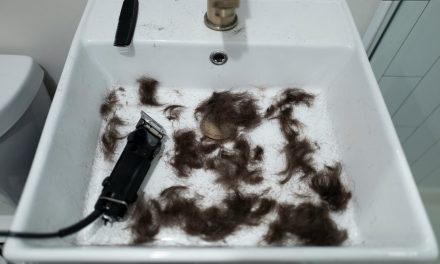
2. **Clippers**: Electric clippers designed specifically for pets can make trimming fur easier and more efficient.
3. **Nail Trimmers**: Invest in a reliable pair of nail clippers or grinders to ensure safe and effective nail care.
4. **Shampoos**: Choose shampoos formulated for pets that address specific needs such as sensitive skin or flea control.
5. **Ear Cleaning Solutions**: Regular ear cleaning requires appropriate solutions that are safe for pets.
By investing in quality tools, pet owners can enhance their DIY grooming experience while ensuring their pets receive proper care.
Scheduling Grooming Appointments Efficiently to Save Time
Efficient scheduling of grooming appointments can save both time and money for pet owners. Here are some strategies to consider:
1. **Plan Ahead**: Schedule appointments well in advance, especially during peak seasons such as summer when demand for grooming services increases.
2. **Combine Services**: If possible, schedule multiple pets for grooming on the same day to save time and potentially qualify for multi-pet discounts.
3. **Utilize Off-Peak Hours**: Many groomers offer reduced rates during off-peak hours; inquire about availability during these times.
4. **Set Reminders**: Establish a regular grooming schedule by setting reminders on your calendar to ensure timely appointments.
Utilizing Pet Grooming Packages and Memberships
Many grooming salons offer packages or membership programs designed to provide cost-effective solutions for regular clients. These packages often include a combination of services at a reduced rate compared to individual service pricing. Membership programs may also provide additional perks such as priority scheduling or exclusive discounts on products.
Pet owners should inquire about available packages when selecting a groomer to maximize savings while ensuring their pets receive comprehensive care.
Recognizing When Professional Grooming Is Necessary
While DIY grooming can be effective for basic maintenance, certain situations warrant professional intervention. Recognizing when professional grooming is necessary is crucial for maintaining a pet’s health and well-being:
1. **Severe Matting**: If a pet’s coat becomes severely matted, professional groomers possess the expertise and tools required to safely remove mats without causing harm.
2. **Behavioral Issues**: Pets exhibiting anxiety or aggression during grooming may benefit from professional handling by experienced groomers trained in managing challenging behaviors.
3. **Health Concerns**: If a pet displays signs of skin infections or other health issues during home grooming attempts, seeking professional assistance is essential for proper diagnosis and treatment.
Balancing Cost, Time, and Pet Care Quality
In conclusion, understanding pet grooming costs is vital for responsible pet ownership. By considering factors influencing pricing, comparing professional versus DIY options, and recognizing essential services, pet owners can make informed decisions about their pets’ care while managing expenses effectively. Regular grooming not only promotes health but also fosters a strong bond between pets and their owners.
By implementing strategies such as finding affordable services, investing in quality tools, scheduling efficiently, utilizing packages, and recognizing when professional help is necessary, pet owners can strike a balance between cost, time investment, and quality care for their beloved companions. Ultimately, prioritizing regular grooming will lead to healthier pets and happier owners alike.
FAQs
What factors influence pet grooming costs?
Pet grooming costs can vary based on several factors including the size and breed of the pet, the type of grooming services required (such as bathing, haircuts, or nail trimming), the location of the grooming salon, and the experience level of the groomer. Additional services like flea treatments or special shampoos can also increase the overall cost.
How often should I groom my pet?
The frequency of grooming depends on the pet’s breed, coat type, and lifestyle. Generally, dogs with long or thick coats may require grooming every 4 to 6 weeks, while short-haired breeds may only need grooming every few months. Cats typically groom themselves, but long-haired breeds may need regular brushing to prevent matting.
Are there any additional costs associated with pet grooming?
Yes, in addition to the basic grooming fee, there may be extra charges for additional services such as teeth cleaning, ear cleaning, or special treatments for skin conditions. Some groomers may also charge for de-shedding treatments or for handling pets that require extra care due to behavioral issues.
Can I groom my pet at home to save money?
Yes, many pet owners choose to groom their pets at home to save on costs. Basic grooming tasks such as brushing, bathing, and nail trimming can be done at home with the right tools and techniques. However, for more complex grooming needs, such as breed-specific haircuts, professional grooming may be recommended.
What should I look for in a grooming salon?
When choosing a grooming salon, consider factors such as the groomer’s experience and qualifications, the cleanliness of the facility, and customer reviews. It’s also important to ensure that the salon uses safe and high-quality grooming products and that they have a good understanding of your pet’s specific grooming needs.