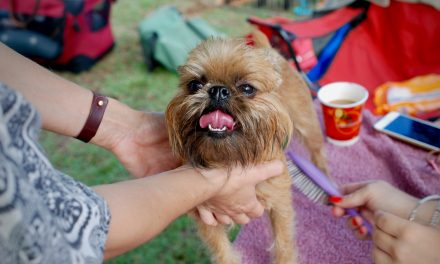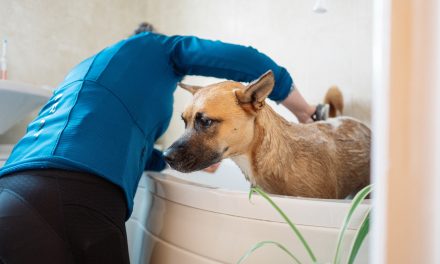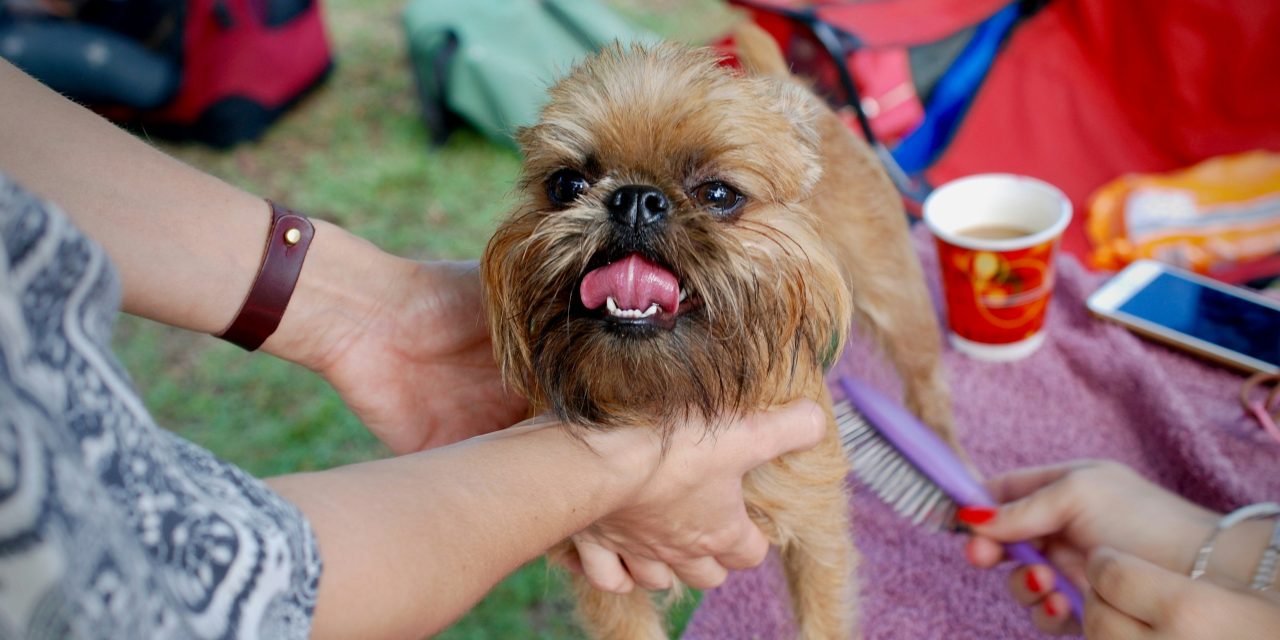
Grooming is an essential aspect of canine care that varies significantly across different breeds. Each breed possesses unique coat characteristics, skin types, and grooming requirements that must be understood to maintain optimal health and appearance. For instance, breeds with long, flowing coats require regular brushing to prevent matting and tangling, while short-haired breeds may need less frequent grooming but still benefit from occasional brushing to remove loose hair and debris. Understanding these breed-specific needs is crucial for pet owners to ensure their furry companions remain comfortable and healthy.
Moreover, grooming is not solely about aesthetics; it plays a vital role in the overall well-being of dogs. Regular grooming helps to identify skin issues, parasites, or abnormalities early on, allowing for timely veterinary intervention. Additionally, grooming sessions can strengthen the bond between the pet and owner, providing an opportunity for socialization and trust-building. Therefore, recognizing the grooming needs specific to each breed is paramount for responsible pet ownership.
Grooming Tips for Long-Haired Breeds
Long-haired breeds, such as the Afghan Hound or the Shih Tzu, require diligent grooming routines to maintain their luxurious coats. One of the most effective strategies is to establish a consistent brushing schedule, ideally every day or at least several times a week. Using a high-quality slicker brush or a wide-toothed comb can help detangle knots and prevent matting. It is essential to start brushing from the roots and work your way to the tips, ensuring that you are gentle to avoid causing discomfort.
In addition to regular brushing, long-haired breeds benefit from periodic trims to keep their coats manageable and healthy. Professional grooming services can provide necessary haircuts that not only enhance appearance but also promote better air circulation to the skin. Bathing should be done with a gentle, breed-specific shampoo that maintains the coat’s natural oils while removing dirt and debris. After bathing, applying a leave-in conditioner can help keep the coat soft and tangle-free.
Essential Care for Short-Haired Dogs

Short-haired breeds like Beagles or Boxers may seem low-maintenance compared to their long-haired counterparts; however, they still require specific grooming attention. Regular brushing is essential to remove loose hair and dander, which can contribute to allergies in both pets and humans. A rubber grooming mitt or a bristle brush can effectively capture shedding hair while providing a soothing massage for the dog.
Bathing short-haired breeds should be done as needed, typically every 4-6 weeks, depending on their activity level and exposure to dirt. Using a mild shampoo formulated for dogs will help maintain skin health without stripping essential oils. Additionally, short-haired breeds are prone to skin irritations; therefore, regular inspections of the skin for any signs of redness or irritation are crucial. Keeping nails trimmed and ears clean will also contribute to their overall hygiene and comfort.
Managing the Double Coat: Tips for Huskies and Malamutes

Breeds such as Siberian Huskies and Alaskan Malamutes possess a double coat that serves as insulation against extreme temperatures. This unique coat structure requires specialized grooming techniques to manage effectively. During shedding seasons, typically in spring and fall, these breeds experience significant hair loss, necessitating more frequent brushing—ideally every day—to remove loose undercoat fur and prevent matting.
Using an undercoat rake or a de-shedding tool can be particularly effective in managing the dense undercoat without damaging the outer layer. It is essential to brush in the direction of hair growth and be gentle around sensitive areas such as the belly and legs. Regular baths during shedding seasons can also help loosen dead hair; however, it is crucial to use a dog-specific shampoo that does not strip natural oils from the coat.
Grooming the Curly Coats of Poodles and Doodles
Curly-coated breeds like Poodles and Doodles require meticulous grooming to maintain their distinctive coats. Their hair tends to mat easily due to its texture; therefore, daily brushing is highly recommended. A slicker brush combined with a wide-toothed comb can help detangle curls while preventing matting. It is advisable to focus on areas prone to tangles, such as behind the ears and under the legs.
Regular professional grooming is also beneficial for these breeds, as groomers can provide necessary trims that keep the coat manageable and stylish. Bathing should occur every 4-6 weeks using a gentle shampoo designed for curly coats, followed by a conditioner that helps maintain moisture levels. Additionally, using a leave-in conditioner can aid in detangling during brushing sessions.
Maintaining the Coat of Wire-Haired Breeds
Wire-haired breeds such as the Wire Fox Terrier or the Scottish Terrier have unique grooming needs due to their coarse, wiry coats. Regular hand-stripping is often recommended for these breeds to maintain their coat’s texture and appearance. Hand-stripping involves plucking out dead hair by hand or using specialized tools designed for this purpose. This technique not only keeps the coat looking its best but also promotes healthy regrowth.
In addition to hand-stripping, regular brushing with a stiff-bristled brush can help remove loose hair and debris while maintaining coat integrity. Bathing should be done sparingly—typically every 8-12 weeks—to avoid stripping natural oils from the skin. When bathing is necessary, using a mild dog shampoo will help maintain coat health without causing irritation.
Special Considerations for Hairless Dog Breeds
Hairless breeds such as the Chinese Crested or the American Hairless Terrier present unique grooming challenges due to their lack of fur. While they may not require traditional grooming for coats, they do need special attention to their skin health. Regular bathing is essential to remove dirt and oils that accumulate on their skin; however, it is crucial to use a gentle, moisturizing shampoo designed specifically for hairless dogs.
Additionally, applying sunscreen on exposed skin areas during outdoor activities is vital to protect against sunburn. Regular inspections of the skin for any signs of irritation or infection are also necessary since hairless breeds are more susceptible to skin issues. Moisturizing lotions formulated for dogs can help keep their skin hydrated and healthy.
Nail Care and Paw Maintenance for Active Breeds
Active breeds such as Labrador Retrievers or Border Collies require diligent nail care and paw maintenance due to their high activity levels. Regular nail trimming is essential to prevent overgrowth, which can lead to discomfort or injury during physical activities. Ideally, nails should be trimmed every 3-4 weeks; however, this may vary based on activity levels and surfaces they walk on.
In addition to nail care, inspecting paws regularly for signs of wear or injury is crucial. Active dogs may encounter rough terrain that can cause abrasions or cuts on their paw pads. Cleaning paws after outdoor activities helps remove dirt and debris that could lead to infections. Applying paw balm can provide additional protection against harsh weather conditions.
Ear Cleaning Tips for Breeds Prone to Infections
Certain breeds are predisposed to ear infections due to their ear structure, including Cocker Spaniels and Basset Hounds. Regular ear cleaning is essential for these breeds to prevent wax buildup and infections. Using a veterinarian-recommended ear cleaner can help maintain ear hygiene; however, it is crucial not to insert anything deep into the ear canal.
Cleaning should be done gently by applying cleaner onto a cotton ball or pad and wiping the outer ear canal carefully. Regular inspections of the ears for signs of redness or odor are vital indicators of potential infections that may require veterinary attention. Keeping ears dry after baths or swimming can also help prevent moisture-related issues.
Bathing Frequency and Techniques for Different Breeds
Bathing frequency varies significantly among dog breeds based on coat type, activity level, and skin sensitivity. Generally speaking, long-haired breeds may require more frequent baths—approximately every 4-6 weeks—while short-haired breeds may only need bathing every 6-8 weeks or as needed based on odor or dirt accumulation.
When bathing dogs, it is essential to use lukewarm water and a high-quality dog shampoo tailored to their specific coat type. Thorough rinsing is crucial to remove all soap residue that could irritate the skin. Additionally, using a conditioner designed for dogs can help maintain coat health by adding moisture and reducing tangles.
Seasonal Grooming Adjustments for Optimal Coat Health
Seasonal changes significantly impact grooming needs across various dog breeds. During warmer months, many double-coated breeds shed heavily; therefore, increased brushing frequency is necessary to manage loose fur effectively. Conversely, during colder months, some breeds may require additional grooming attention to prevent matting caused by moisture accumulation in their coats.
Adjusting grooming routines based on seasonal changes ensures optimal coat health throughout the year. For instance, using de-shedding tools during shedding seasons can help manage excess fur while maintaining comfort for both pet and owner. Additionally, monitoring skin condition during seasonal transitions allows pet owners to address any issues promptly.
In summary, understanding breed-specific grooming needs is essential for maintaining optimal health and appearance in dogs. Each breed presents unique challenges that require tailored approaches in grooming techniques, frequency of care, and attention to specific areas such as nails and ears. By implementing effective grooming practices tailored to individual breed characteristics, pet owners can ensure their furry companions remain healthy, comfortable, and looking their best throughout their lives.
FAQs
What are the grooming needs of a Poodle?
Poodles require regular grooming due to their curly coats, which can mat easily. It’s recommended to brush their fur at least once a week and schedule professional grooming every 4 to 6 weeks. Regular bathing and trimming around the eyes and paws are also essential to maintain their appearance and hygiene.
How often should I groom a German Shepherd?
German Shepherds have a double coat that sheds year-round, with heavier shedding during seasonal changes. They should be brushed at least once a week, but during shedding seasons, daily brushing is advisable. Regular grooming helps reduce shedding and keeps their coat healthy.
What specific grooming techniques are needed for a Shih Tzu?
Shih Tzus have long, flowing coats that require daily brushing to prevent tangles and mats. Bathing should be done every 3 to 4 weeks, and their hair around the eyes should be trimmed regularly to prevent irritation. Regular visits to a professional groomer can help maintain their coat and overall appearance.
Are there any special grooming considerations for a Bulldog?
Bulldogs have short coats that require minimal grooming, but their skin folds need special attention. It’s important to clean the folds regularly to prevent infections. Bathing should be done as needed, and brushing once a week can help remove loose hair and keep their coat healthy.
What grooming tools are essential for a Golden Retriever?
Golden Retrievers have a thick, water-repellent coat that requires regular grooming. Essential tools include a slicker brush for removing loose hair and mats, a de-shedding tool for seasonal shedding, and a comb for finishing touches. Regular grooming helps maintain their coat and reduces shedding in the home.