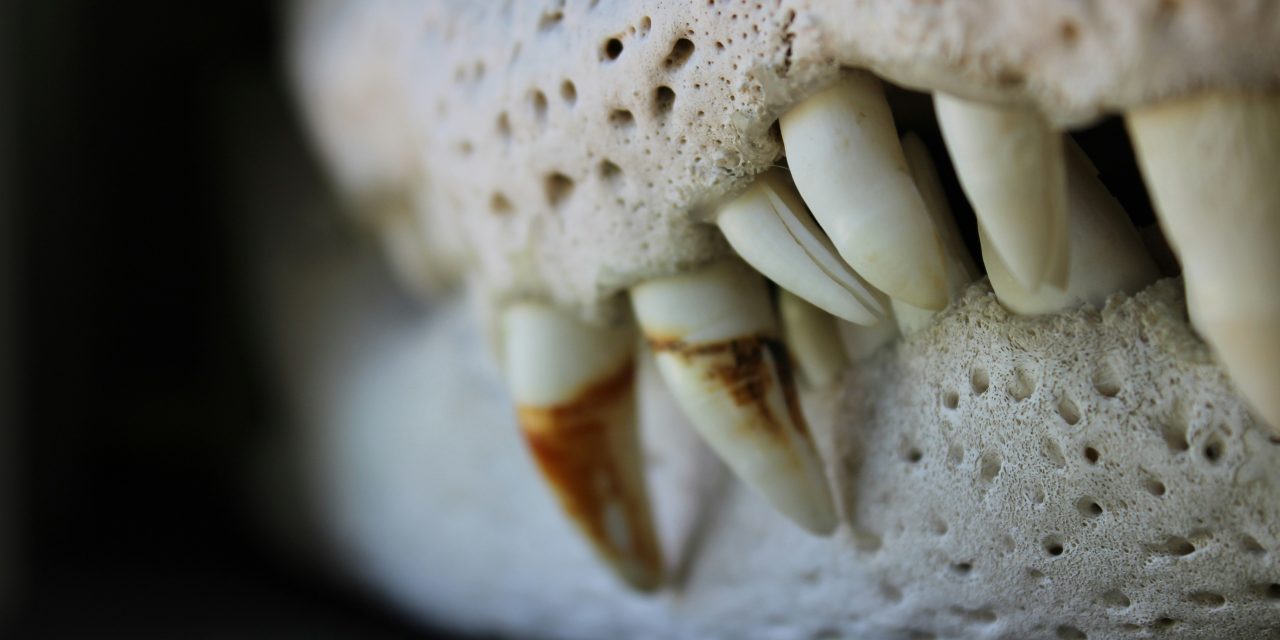
Pet dental care is an essential aspect of overall health that is often overlooked by pet owners. Just like humans, pets can suffer from a variety of dental issues, including periodontal disease, tooth decay, and oral infections. These conditions can lead to severe pain, systemic infections, and even organ damage if left untreated. According to the American Veterinary Dental College, approximately 80% of dogs and 70% of cats exhibit signs of dental disease by the age of three. This staggering statistic underscores the necessity for proactive dental care in pets.
Maintaining optimal oral hygiene in pets not only enhances their quality of life but also contributes to their longevity. Regular dental care can prevent the buildup of plaque and tartar, which are precursors to more serious conditions such as gingivitis and periodontitis. Furthermore, poor dental health can lead to bacteria entering the bloodstream, potentially affecting vital organs such as the heart, liver, and kidneys. Therefore, understanding the importance of pet dental care is crucial for any responsible pet owner.
Recognizing Common Signs of Dental Problems in Pets
Identifying dental issues in pets can be challenging, as animals often hide their discomfort. However, there are several common signs that may indicate a dental problem. One of the most noticeable symptoms is bad breath, medically known as halitosis. While occasional bad breath can be normal, persistent foul odor may signal underlying dental disease. Additionally, pet owners should be vigilant for changes in eating habits; reluctance to chew or difficulty eating can indicate pain or discomfort in the mouth.
Other signs include excessive drooling, swollen or bleeding gums, and visible tartar buildup on teeth. Pets may also exhibit behavioral changes such as irritability or withdrawal from social interactions due to pain. If you observe any of these symptoms, it is imperative to consult a veterinarian for a thorough dental examination. Early detection and intervention can significantly improve outcomes and prevent further complications.
Choosing the Right Toothbrush and Toothpaste for Your Pet

Selecting appropriate dental care products is vital for effective oral hygiene in pets. When choosing a toothbrush, consider the size and shape that best fits your pet’s mouth. For dogs and cats, finger brushes or small-headed brushes are often recommended to reach all areas of the mouth comfortably. The bristles should be soft to avoid damaging sensitive gums while still being effective at removing plaque.
Equally important is the choice of toothpaste. Human toothpaste contains fluoride and other ingredients that can be toxic to pets. Instead, opt for veterinary-approved toothpaste specifically formulated for animals. These products come in various flavors such as poultry or beef, making them more appealing to pets. Regular use of the right toothbrush and toothpaste can significantly enhance your pet’s oral health.
Establishing a Regular Brushing Routine

Creating a consistent brushing routine is essential for maintaining your pet’s dental health. Ideally, brushing should occur daily; however, even a few times a week can make a significant difference. Start by introducing your pet to the toothbrush gradually. Allow them to sniff and lick the brush before attempting to brush their teeth. This familiarization process helps reduce anxiety and makes the experience more enjoyable.
When brushing, focus on the outer surfaces of the teeth where plaque tends to accumulate. Use gentle circular motions and be sure to brush along the gum line to remove debris effectively. Reward your pet with praise or treats after each session to reinforce positive behavior. Over time, your pet will become accustomed to this routine, making it easier for you to maintain their oral hygiene.
Incorporating Dental Chews and Toys into Your Pet’s Diet
In addition to regular brushing, incorporating dental chews and toys into your pet’s diet can further promote oral health. Dental chews are specifically designed to reduce plaque and tartar buildup while satisfying your pet’s natural chewing instincts. Look for products that have received the Veterinary Oral Health Council (VOHC) seal of approval, indicating they have been clinically proven to improve dental health.
Chew toys made from durable materials can also help clean teeth as pets gnaw on them. These toys not only provide dental benefits but also serve as an excellent source of mental stimulation and exercise. However, it is crucial to supervise your pet while they are chewing to prevent choking hazards or ingestion of small pieces.
Providing a Balanced Diet to Support Oral Health
A well-balanced diet plays a significant role in maintaining your pet’s oral health. High-quality commercial pet foods often contain ingredients that promote dental hygiene by reducing plaque buildup and supporting gum health. Look for kibble with a larger size or texture that encourages chewing, which can help mechanically clean teeth as your pet eats.
Incorporating fresh fruits and vegetables into your pet’s diet can also provide additional benefits. Crunchy options like carrots or apples can serve as natural toothbrushes while offering essential vitamins and minerals. However, always consult with your veterinarian before making significant dietary changes to ensure they align with your pet’s specific nutritional needs.
Scheduling Professional Dental Cleanings with Your Veterinarian
Regular professional dental cleanings are an integral part of maintaining your pet’s oral health. Veterinarians recommend scheduling these cleanings at least once a year, although some pets may require more frequent visits based on their individual needs. During a professional cleaning, a veterinarian or veterinary technician will perform a thorough examination of your pet’s mouth, including scaling and polishing teeth to remove tartar buildup.
Anesthesia is typically required for these procedures to ensure that pets remain calm and still during cleaning. While some owners may have concerns about anesthesia risks, it is important to note that modern veterinary practices utilize advanced monitoring equipment and protocols to ensure safety during these procedures. Regular professional cleanings not only help prevent dental disease but also allow for early detection of potential issues.
Using Water Additives and Oral Rinses Safely
Water additives and oral rinses can be beneficial adjuncts to your pet’s dental care regimen when used correctly. These products are designed to reduce plaque formation and freshen breath without requiring brushing. When selecting a water additive or oral rinse, ensure it is specifically formulated for pets and approved by veterinarians.
It is essential to follow the manufacturer’s instructions regarding dosage and frequency of use. Some products may require daily application, while others may be used less frequently. Always monitor your pet for any adverse reactions when introducing new products into their routine, and consult your veterinarian if you have any concerns.
Monitoring Your Pet’s Teeth and Gums for Changes
Regularly monitoring your pet’s teeth and gums is crucial for early detection of potential dental issues. During routine grooming or playtime, take a moment to inspect their mouth for any signs of abnormalities such as discoloration, swelling, or bleeding gums. Additionally, pay attention to changes in behavior that may indicate discomfort or pain.
If you notice any concerning changes in your pet’s oral health, do not hesitate to contact your veterinarian for further evaluation. Early intervention can prevent more severe complications down the line and ensure that your pet maintains optimal oral health.
Managing Pain and Discomfort from Dental Issues
Dental problems can cause significant pain and discomfort for pets, impacting their overall well-being. If you suspect that your pet is experiencing dental pain, it is essential to seek veterinary care promptly. Your veterinarian may recommend pain management strategies such as non-steroidal anti-inflammatory drugs (NSAIDs) or other analgesics tailored specifically for pets.
In some cases, dental procedures may be necessary to address underlying issues such as tooth extractions or treatment of infections. Post-operative care may include prescribed medications to manage pain and prevent infection during recovery. Always follow your veterinarian’s instructions regarding medication administration and monitor your pet closely during their healing process.
Educating Family Members on Consistent Dental Care Practices
Educating all family members about the importance of consistent dental care practices is vital for ensuring your pet’s oral health remains a priority within the household. Involve children in brushing routines by teaching them how to handle toothbrushes gently and reward pets positively during sessions. This not only fosters responsibility but also strengthens the bond between pets and family members.
Additionally, share information about recognizing signs of dental problems so that everyone in the household can contribute to monitoring your pet’s oral health effectively. By creating a culture of awareness around dental care practices, you can help ensure that your pet receives comprehensive care throughout their life.
In summary, maintaining optimal dental health in pets requires a multifaceted approach that includes regular brushing, professional cleanings, dietary considerations, and monitoring for signs of issues. By prioritizing these practices and educating family members about their importance, you can significantly enhance your pet’s quality of life while preventing serious health complications associated with poor oral hygiene.
FAQs
Why is dental care important for pets?
Dental care is crucial for pets because it helps prevent periodontal disease, which can lead to tooth loss and infections. Poor dental hygiene can also affect a pet’s overall health, potentially leading to issues such as heart, liver, and kidney problems due to bacteria entering the bloodstream.
How often should I brush my pet’s teeth?
It is recommended to brush your pet’s teeth at least two to three times a week. Daily brushing is ideal for maintaining optimal dental health. Regular brushing helps reduce plaque buildup and prevents dental diseases.
What are the signs of dental problems in pets?
Signs of dental problems in pets include bad breath, difficulty eating, swollen or bleeding gums, excessive drooling, and loose or missing teeth. If you notice any of these symptoms, it’s important to consult a veterinarian for a dental examination.
Can pets use human toothpaste?
No, pets should not use human toothpaste as it contains ingredients that can be harmful to them, such as fluoride and xylitol. Instead, use toothpaste specifically formulated for pets, which is safe for them to swallow and comes in flavors they enjoy.
What are some alternatives to brushing my pet’s teeth?
If brushing is not feasible, there are several alternatives to maintain your pet’s dental health. These include dental chews, water additives, and dental treats designed to reduce plaque and tartar buildup. Regular veterinary dental cleanings are also essential for comprehensive dental care.