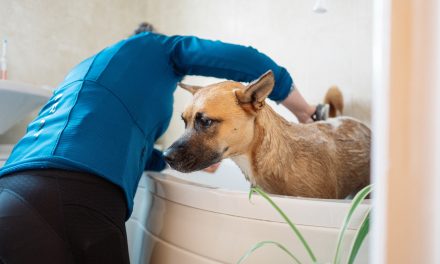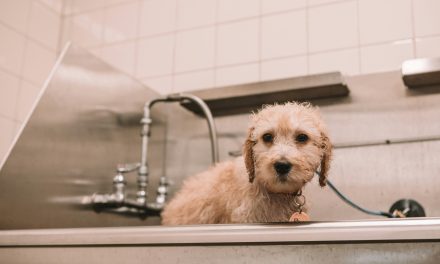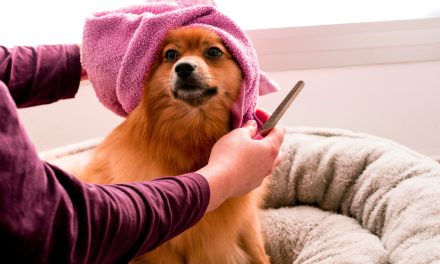
Ask ten pet owners how often they bathe their animals and you will get ten different answers, each delivered with total confidence. One swears by a weekly scrub, another hasn’t washed the dog in a year, and a third has a cat who would sooner move out. The truth is that there is no single schedule that fits every animal. The right rhythm depends on coat, skin, lifestyle, and how your pet’s body responds to water and shampoo.
This guide gives you a practical way to work out your own pet’s schedule, from a starting range for common coat types to the signs that say you are bathing too much or too little. You will also find a full step-by-step bath routine, tips for nervous pets, a list of common mistakes, and clear guidance on when a bath is not the answer and it is time to call your veterinarian.
Key takeaways
- Many healthy dogs do well with a bath every four to twelve weeks. Cats rarely need baths, and indoor short-haired cats may never need one.
- Bathing too often can dry out skin and coat. Bathing too rarely can leave dirt, oil, and odor to build up.
- Always use a shampoo made for pets, lukewarm water, and a long, thorough rinse.
- Protect the eyes and ears, brush out tangles before the bath, and dry your pet completely afterward.
- Pets with skin conditions may need a different schedule, set by your veterinarian. Do not guess.
- Persistent itching, odor, skin infections, lumps, or mats against the skin call for a veterinary visit, not extra baths.
- Keep the experience calm and rewarding. A pet who dreads the tub is harder and riskier to wash.
Why bathing frequency matters
Skin does more than hold a pet together. It is a barrier against germs and moisture loss, and it makes natural oils called sebum that keep the coat supple and water-resistant. Shampoo is designed to remove oil, which is great when the coat is dirty and not so great when the skin is already dry. Wash too often and the barrier gets stripped faster than the skin can rebuild it. That can lead to flaking, itching, a dull coat, and sometimes a rebound effect where skin overproduces oil.
On the other hand, a coat that never gets washed can hold dander, pollen, and dirt against the skin. Heavy buildup can be uncomfortable, and in some pets it contributes to odor or irritation. The goal is a middle path: clean enough to be comfortable and fresh, but not so clean that the skin suffers.
How pet skin differs from ours
Dog and cat skin is thinner than human skin and has a different pH, which is the measure of how acidic or alkaline something is. Shampoo formulated for people can disturb that balance. That is why pet-specific shampoo matters, and why a quick wash with whatever is in the shower is not a harmless shortcut.
Finding your pet’s schedule
Think of the numbers below as starting points that you adjust based on what you see. Look at your pet’s coat and skin between baths. If they are comfortable and clean, you are about right. If they get greasy, smelly, or dirty quickly, you may need a little more. If they get flaky or itchy after bathing, you may need a little less.
Starting ranges by coat type
| Coat type | Examples | Typical starting range | Notes |
|---|---|---|---|
| Short, smooth | Beagles, Boxers, Greyhounds | Every 6 to 12 weeks | Easy to keep clean. Wipe-downs in between work well. |
| Double coat | Huskies, Retrievers, Shepherds | Every 8 to 12 weeks | Brush more than you bathe. Dry thoroughly down to the undercoat. |
| Long and silky | Shih Tzus, Maltese, Afghan Hounds | Every 3 to 4 weeks | Brush before every bath to prevent tangles from tightening. |
| Curly or woolly | Poodles, Doodles, Bichons | Every 3 to 6 weeks | Often paired with professional grooming. Dry fully to avoid mats. |
| Wiry | Terriers, Schnauzers | Every 4 to 8 weeks | Frequent washing can soften the texture of a wiry coat. |
| Hairless or very thin coat | Chinese Cresteds, Xoloitzcuintli | Weekly to every few weeks | Oils collect on bare skin. Ask your veterinarian about skin care. |
| Cats, most | Short- and long-haired | Rarely, if ever | Cats groom themselves. Baths are for special situations. |
Lifestyle changes the math
A dog who swims in a pond, digs in the garden, and rolls in the farm yard needs washing more often than a couch companion who strolls around the block. Likewise, a dog who sleeps on your bed may need baths a bit more often than one who lives mostly outdoors, mainly for your own comfort. Think about what your pet’s day looks like, and let the dirt level decide.
Age and health
Puppies and kittens can be bathed with a gentle product, but they chill easily, so keep baths short and dry them well. Senior pets with stiff joints may find a long soak tiring or painful, so offer a non-slip mat and keep it brief. Pets with skin problems, allergies, or other conditions may be given a special routine by their veterinarian, which may include medicated products. Follow those instructions closely, and do not make up your own.
Signs you are bathing too often
- Flaky skin or visible dandruff after baths
- A dull, brittle, or rough coat
- More scratching in the days following a bath
- Red or irritated patches, especially in the armpits and belly
- A coat that gets oily again very quickly
If you see these signs, lengthen the gap between baths, and use quick wipe-downs or a rinse with plain water for light mess. If it does not improve, ask your veterinarian, because dryness and itching can also point to allergies or other issues that need proper evaluation.
Signs you are not bathing enough
- A greasy feel on the coat, especially along the back and neck
- A noticeable doggy odor that returns quickly
- Visible dirt, debris, or dried mud
- Mats forming in long or curly coats
- Your own sneezing or itching, if you have pet allergies
Odor deserves a cautious reading. A lingering or strong smell that does not go away with washing can signal a skin infection, an ear problem, dental disease, or anal gland trouble. Do not simply bathe more. See your veterinarian to find the cause.
Before the bath: preparation
A good bath begins before the water turns on. Ten minutes of setup saves a lot of chaos.
Gather your supplies
- Shampoo made for pets, suited to your pet’s coat and skin
- A cup, hand-held sprayer, or pitcher for rinsing
- At least two large towels, plus a few smaller ones
- A non-slip mat for the tub or shower floor
- A brush or comb that suits your pet’s coat
- Small treats and a favorite spread for a lick mat
- Cotton balls or gauze, if your veterinarian suggests protecting the ears
Brush first, always
Water makes tangles tighter. Give the coat a thorough brushing, and work out any knots before the pet gets wet. If you find a mat that you cannot gently tease apart, leave it alone and ask a groomer or veterinarian for help, since bathing can turn a manageable tangle into a solid mass against the skin.
Trim and check
If nails are long, trim them before the bath so a flailing paw does not scratch you. Take the opportunity to check the skin for lumps, scabs, or parasites, and to look at the ears and eyes. A bath is a good moment to notice what is going on under all that fur.
The bath, step by step
- Set the temperature. Run lukewarm water and test it on the inside of your wrist. It should feel neither warm nor cool. Hot water can burn skin and cold water is miserable, particularly for small animals.
- Keep the pet steady. Place the pet on the non-slip mat. For small pets, a sink or tub with a mat works well. For large dogs, a walk-in shower or an outdoor setup on a warm day may be easier.
- Wet the coat thoroughly. Start at the neck and work toward the tail, using a cup or sprayer on a gentle setting. Dense and double coats can take longer to soak through, so run your hands against the lay of the hair to let water reach the skin.
- Protect the face. Avoid pouring water over the head. Tilt the head up slightly for rinsing behind the ears, and keep water out of the eyes and ears. Use a damp cloth for the face.
- Apply the shampoo. Dilute it if the label says so, and work a lather through the coat down to the skin. Include the chest, belly, legs, between the toes, and under the tail. Massage gently rather than scrubbing hard.
- Take your time with the rinse. Rinse longer than seems necessary. Leftover shampoo is a leading cause of post-bath itching. Run your fingers through the coat and rinse until the water runs clear and the coat squeaks slightly.
- Squeeze out the water. Press water out of the coat with your hands, working from the neck to the tail.
- Towel dry. Wrap your pet in a big towel, and blot, rather than rubbing in circles, which can tangle long or curly coats.
- Finish drying. Use a second towel and, if your pet tolerates it, a dryer on a cool or low-warm setting. Keep it moving and at a distance, and never point it at the face. Make sure the skin is dry, including the armpits, groin, ears, and between the toes.
- Reward and relax. Offer treats and praise, and let your pet rest somewhere warm until completely dry.
The importance of drying
A damp coat can cause problems. Moisture trapped in thick undercoats, skin folds, and the ears is a recipe for odor and irritation. It also makes pets cold. If you cannot dry the coat entirely, keep your pet indoors until it is dry, and check folds and the base of thick fur with your fingers. It should feel dry right down to the skin.
Choosing a shampoo
You do not need an elaborate product. A mild, pet-formulated shampoo suits most healthy pets. Look for one that is free of strong fragrances and harsh additives, and that is appropriate for your pet’s species. Dog shampoo is not always safe for cats, so read the label. Never use human shampoo, dish soap, or household cleaners as a routine bath product.
Special-purpose products
Some pets need medicated or specialty shampoos for skin conditions. These should be prescribed or recommended by your veterinarian, with clear instructions on how often to use them and how long to leave them on the skin. Using such products without guidance can cause problems, and this guide does not give dosing or treatment advice. Flea and tick products come in many forms and should also be chosen with your veterinarian, since some are unsafe for certain species or ages.
Conditioners and sprays
A conditioner made for pets can help long, curly, or dry coats stay smooth and manageable. Use it after shampoo and rinse thoroughly. Detangling sprays can help between baths. As with shampoo, choose products for your pet’s species and skin.
Between baths: staying fresh
You do not have to give a full bath every time your pet gets a bit grubby. A few simple habits keep things fresh between washes.
- Brush regularly. It removes dirt and spreads oils, and it is the best defense against odor.
- Wipe paws and bellies. A damp towel after walks removes mud, pollen, and winter salt.
- Spot clean. Wash the dirty area only, such as a muddy leg or a sticky chin.
- Use pet wipes. Wipes made for animals can handle light messes. Avoid products with alcohol or strong scents.
- Wash bedding. A dirty bed will make a clean pet smell again very quickly.
- Clean the ears and teeth as needed. Bad breath and ear odor are often mistaken for a smelly coat.
Bathing nervous pets
Some animals tolerate water cheerfully, and others act like you are about to do something terrible. Fear of bathing is common, and it usually has a cause such as slippery footing, loud water, cold temperatures, or a past bad experience. Fixing the cause helps more than pushing through.
A gradual introduction
- Days 1 to 3: Feed treats near the tub or shower, with no water. Let your pet walk in and out freely.
- Days 4 to 7: Put your pet in the dry tub for a few seconds, offering treats or a lick mat. Add a non-slip mat.
- Days 8 to 10: Run the water at a low trickle while your pet is nearby, rewarding calm behavior. Then touch a wet cloth to a leg.
- Days 11 to 14: Wet one leg with lukewarm water, then two. Work up to a full wetting, a little at a time.
Keep the first few real baths short and uncomplicated. A lick mat smeared with a safe spread gives your pet something to focus on, and a calm voice helps. If your pet panics, stop and try again later. Never hold a frightened animal down or scold them, as it makes the next attempt harder.
Bathing cats
Most cats do not need baths and strongly dislike them. When one is necessary, such as after contact with something sticky or if a veterinarian recommends it, enlist a helper, use a rubber mat, keep the water shallow and warm, and work quickly and gently. Avoid dunking, and do not spray water at the face. If your cat is very frightened or scratching, stop and ask your veterinarian or a professional groomer who is experienced with cats. Some cats are best bathed by a professional.
Puppies and kittens
Young animals can be bathed when necessary, but they lose heat quickly. Keep the room warm, use a gentle product suitable for their age, and dry them promptly. Make the first baths pleasant, because they teach a lifelong attitude toward water. Ask your veterinarian when it is appropriate to begin routine baths, particularly if the young one has not finished vaccinations.
Seasonal and situational baths
Summer
Warm weather brings swimming, sweat, and more time outdoors. Rinsing your dog with fresh water after dips in pools, lakes, or the ocean removes chlorine, salt, and algae from the coat. A full shampoo is not always necessary. Make sure the coat dries completely, since damp fur in hot, humid weather can irritate skin.
Winter
In cold weather, resist the urge to bathe often, because indoor heating dries the air and the skin. Wipe paws and bellies after outdoor trips to remove salt and de-icing chemicals. When a full bath is needed, dry the coat thoroughly and keep your pet warm until completely dry.
Shedding seasons
Many people think a bath loosens shed hair, and it can help, but only if you brush well beforehand and afterward. Bathing and drying a double-coated dog can help release the undercoat, which you then remove with a brush. Always brush first, because wet, tangled undercoat is hard to remove.
After a skunk or a roll in something awful
Accidents happen. For a smelly incident, bathe your pet promptly, using a pet-safe shampoo, and rinse well. If the problem is serious or involves a possible chemical or toxin, call your veterinarian or a pet poison hotline for advice instead of improvising with household products. Keep the eyes and mouth protected, and watch for irritation afterward.
Mini-scenarios
The Lab who loves mud
A three-year-old Labrador swims in the creek every weekend. His owner rinses him with plain water after each swim, brushes the coat, and does a full shampoo about every six to eight weeks. His skin stays healthy, and the house stays reasonable. The lesson is that rinse-and-dry covers a lot of ground without stripping the coat.
The poodle who smells again after three days
A standard poodle gets a bath on Saturday and smells doggy by Tuesday. Weekly baths have not solved it, and now the skin is flaky. A veterinary visit reveals an underlying issue that has nothing to do with cleanliness. Once it is treated, the bath schedule can go back to normal. When a smell keeps returning, look for the cause and not just a way to cover it.
The senior dog with stiff hips
An older shepherd cannot stand for long. Her owner uses a walk-in shower with a non-slip mat, warm water, and a short routine, and keeps a towel and a warm room ready. Shorter sessions and gentle support make the bath bearable. Adapting the setup matters as much as the schedule.
Common mistakes
- Bathing on a rigid calendar. Let coat, skin, and lifestyle guide the timing, and not a fixed date.
- Using human shampoo or dish soap. These can dry out and irritate pet skin.
- Using hot water. Keep it lukewarm, since hot water can scald and stress your pet.
- Getting water in the ears and eyes. Use a damp cloth for the face, and avoid pouring water over the head.
- Skipping the pre-bath brushing. Wet tangles tighten and become mats.
- Rinsing in a hurry. Residue is a top cause of itching.
- Not drying completely. Damp fur holds moisture against the skin.
- Bathing to treat a medical problem. Persistent itch, odor, or sores need a veterinarian, not more shampoo.
- Forcing a frightened pet. Restraint increases fear and the risk of injury.
- Using medicated or flea products without guidance. Ask your veterinarian first, particularly for cats and young animals.
- Leaving a wet pet unattended. Slippery tubs and wet floors cause falls.
When to see a veterinarian or professional groomer
Bathing keeps your pet clean, but it cannot fix medical problems. Contact your veterinarian if you notice:
- Persistent itching, scratching, licking, or chewing, especially if it continues after baths
- Strong, unusual, or recurring odor from the skin, coat, ears, or mouth
- Red, inflamed, crusty, oozing, or hairless patches that suggest a skin infection
- New lumps, bumps, or growths
- Excessive flaking, greasy skin, or changes in the coat that do not improve
- Head shaking, ear redness, or discharge
- Signs of fleas, ticks, or other parasites
- Mats that sit tight against the skin, particularly if the skin looks red or sore
Your veterinarian can examine the skin, find the cause, and suggest a plan that may include a special schedule or products. Do not stretch out a problem by experimenting with different shampoos. A professional groomer is a good option for large or anxious pets, complicated coats, and heavy matting, and a good one will tell you honestly if a coat is beyond saving and needs a short trim. Look for someone who is patient, keeps animals under supervision, uses force-free handling, and is happy to answer your questions.
Frequently asked questions
Is it okay to bathe my dog every week?
Some dogs, such as those with certain skin conditions, may be told to bathe weekly by their veterinarian. For most healthy dogs, weekly baths are too frequent and can dry the skin. If you want to wash that often, ask your veterinarian and consider a gentle product made for frequent use.
How often should I bathe a puppy?
Only as needed, and with a gentle product. Puppies get dirty, but they also get cold quickly, so keep baths short and warm. Many owners wash a puppy only when necessary, and use wipes or a damp cloth in between. Check with your veterinarian about timing.
Do cats ever need baths?
Occasionally. A cat who has gotten into something sticky or toxic, has mobility problems that prevent grooming, or has been advised by a veterinarian to bathe may need one. Otherwise, cats keep themselves clean. If you must bathe your cat, use a cat-safe shampoo and take a calm approach, or hire an experienced professional.
Can I use human shampoo in an emergency?
If your pet has gotten into something harmful, call your veterinarian or a pet poison hotline for instructions. For a simple mess, rinsing with lukewarm water is usually better than using a product that is not meant for pets. Switch to a pet-formulated shampoo as soon as you can.
Why does my dog smell right after a bath?
Wet fur can smell stronger until it dries. If the odor stays after drying or returns quickly, there may be an underlying cause such as a skin or ear problem. Poor rinsing can also leave residue that smells. A veterinary check is the best next step.
Should I bathe my dog before or after a haircut?
Most groomers bathe first, because clean hair cuts more evenly and clippers work better. If you are doing a trim at home, brush thoroughly, bathe and dry the coat, and then trim. A matted coat should not be bathed before a professional sees it.
How do I keep my dog from shaking water everywhere?
Drape a towel over the dog’s back as the bath ends, or hold the towel around their body before they leave the tub. You can also let them shake in the bathroom with the door closed. Some dogs enjoy the ritual, so a little splash is part of the deal.
Is a waterless shampoo a good alternative?
Waterless products and wipes made for pets can help between baths for light cleaning. They are not a replacement for a proper wash when your pet is truly dirty. Check labels for species suitability, and test a small area first.
In the end, a bath is a small act of care, not a test you can fail. Pay attention to how your pet looks, smells, and feels in your hands, and adjust. If the skin is calm and the coat is comfortable, the schedule is working, whatever the neighbors say about theirs.