Pet grooming is an essential aspect of responsible pet ownership, contributing significantly to the overall health and well-being of animals. Grooming not only enhances the aesthetic appeal of pets but also plays a crucial role in preventing various health issues. Regular grooming sessions can help detect skin conditions, parasites, and other underlying medical problems early on, allowing for timely intervention. Moreover, maintaining a clean coat and skin can prevent infections and promote better hygiene.
Safety during grooming is paramount, as improper techniques or tools can lead to injuries for both the pet and the groomer. Ensuring that grooming practices are safe minimizes the risk of accidents, such as cuts, abrasions, or stress-induced behavioral issues. By prioritizing safety, pet owners can create a positive grooming experience that fosters trust and cooperation between them and their furry companions.
Choosing the Right Grooming Tools for Your Pet
Selecting appropriate grooming tools is fundamental to ensuring a safe and effective grooming experience. The choice of tools should be tailored to the specific needs of the pet, taking into consideration factors such as coat type, size, and temperament. For instance, long-haired breeds may require specialized combs and brushes designed to detangle and remove loose fur without causing discomfort. Conversely, short-haired breeds may benefit from rubber grooming mitts that effectively remove shedding hair while providing a soothing massage.
In addition to brushes and combs, other essential grooming tools include nail clippers, scissors, and shampoos formulated for pets. Nail clippers should be chosen based on the size of the pet’s paws; guillotine-style clippers are often suitable for small animals, while larger breeds may require heavy-duty clippers or electric grinders. It is also crucial to select shampoos that are pH-balanced for pets, as human products can irritate their skin. Investing in high-quality grooming tools not only enhances safety but also improves the overall grooming experience.
Preparing Your Pet for a Safe Grooming Session

Preparation is key to ensuring a successful grooming session. Before beginning, it is essential to familiarize your pet with the grooming tools and environment. Allow your pet to sniff and explore the tools to reduce anxiety and build trust. Gradually introducing grooming sessions can help pets acclimate to the process, making them more comfortable over time.
Additionally, it is advisable to check your pet’s health status before grooming. Ensure that there are no underlying medical conditions that could complicate the grooming process. For example, pets with skin irritations or infections may require special handling or treatment prior to grooming. If your pet exhibits signs of aggression or extreme anxiety, consider consulting a veterinarian or professional groomer for guidance on how to proceed safely.
Creating a Calm and Comfortable Grooming Environment

The environment in which grooming takes place significantly impacts the overall experience for both the pet and the groomer. A calm and comfortable setting can alleviate stress and anxiety, making the process smoother. Choose a quiet area free from distractions, loud noises, or sudden movements that could startle your pet. Soft lighting and a non-slip surface can further enhance comfort during grooming sessions.
Incorporating positive reinforcement techniques can also create a more enjoyable atmosphere. Offering treats or praise during grooming can help associate the experience with positive outcomes. Additionally, playing soft music or using pheromone diffusers designed for pets can promote relaxation and reduce anxiety levels.
How to Properly Handle Your Pet During Grooming
Proper handling techniques are crucial for ensuring safety during grooming sessions. Always approach your pet calmly and confidently to instill a sense of security. Use gentle but firm restraint when necessary, especially if your pet is anxious or fidgety. For larger breeds, consider using a grooming table with safety straps to prevent sudden movements that could lead to accidents.
When handling your pet, be mindful of their body language. Signs of discomfort or distress may include growling, whining, or attempting to escape. If your pet exhibits these behaviors, take a step back and allow them to relax before continuing. Gradually desensitizing your pet to various grooming activities can help them become more accustomed to handling over time.
Tips for Safely Trimming Your Pet’s Nails
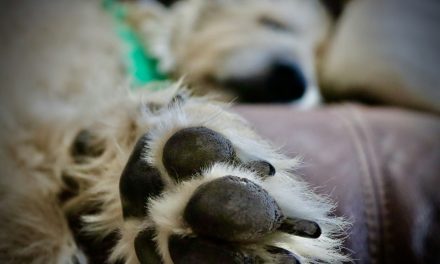
Nail trimming is an essential aspect of grooming that requires careful attention to detail. To ensure safety during this process, it is vital to use appropriate nail clippers designed specifically for pets. Familiarize yourself with the anatomy of your pet’s nails; avoid cutting into the quick—the sensitive area containing blood vessels and nerves—as this can cause pain and bleeding.
To make nail trimming easier, consider using treats or toys as distractions. Gradually introduce the clippers by allowing your pet to sniff them before attempting to trim any nails. If your pet becomes anxious or resistant, take breaks and try again later. For pets with dark nails where the quick is not visible, trim small amounts at a time until you see a change in color indicating proximity to the quick.
Best Practices for Bathing Your Pet Without Stress
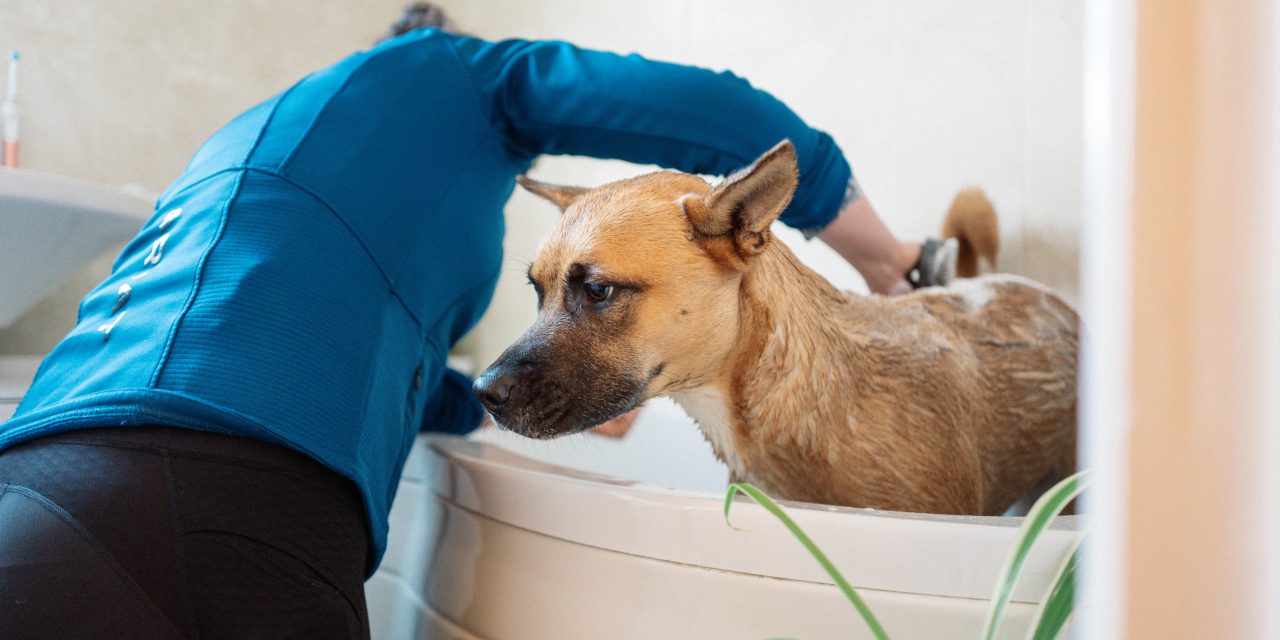
Bathing is another critical component of pet grooming that can be stressful if not approached correctly. To minimize anxiety during bath time, gather all necessary supplies beforehand—this includes pet-friendly shampoo, towels, and brushes—to avoid leaving your pet unattended in water. Use lukewarm water to ensure comfort; extreme temperatures can cause distress.
Introduce your pet to bathing gradually by allowing them to explore the bathing area without water first. When ready to bathe, use a handheld sprayer or cup to wet their coat gently while avoiding their face and ears. Apply shampoo sparingly and massage it into their coat thoroughly before rinsing completely to prevent residue buildup that could irritate their skin.
Avoiding Common Grooming Injuries and Accidents
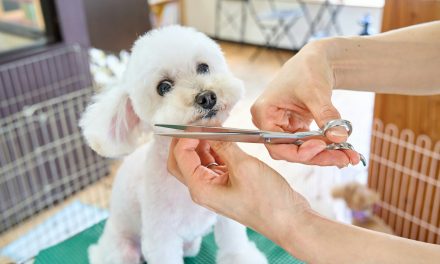
Preventing injuries during grooming requires vigilance and adherence to best practices. Common injuries include cuts from scissors or clippers, skin irritations from improper bathing techniques, and stress-related behavioral issues. To mitigate these risks, always use sharp tools designed for pets and ensure they are clean and well-maintained.
Additionally, be cautious when working around sensitive areas such as ears, eyes, and paws. Use specialized tools designed for these areas to minimize the risk of injury. Regularly inspecting your pet’s skin for signs of irritation or infection can also help prevent complications during grooming sessions.
Recognizing Signs of Discomfort or Distress in Your Pet
Understanding your pet’s body language is crucial for recognizing signs of discomfort or distress during grooming sessions. Common indicators include excessive panting, trembling, growling, or attempts to escape. If you observe any of these behaviors, it is essential to pause the grooming process and assess the situation.
Creating a positive association with grooming can help alleviate anxiety over time. Gradually desensitize your pet by introducing short grooming sessions followed by rewards such as treats or playtime. This approach fosters trust and encourages cooperation during future grooming experiences.
When to Seek Professional Grooming Assistance
While many pet owners choose to groom their pets at home, there are instances when seeking professional assistance is advisable. If your pet has a particularly challenging coat type requiring specialized techniques or tools—such as matted fur—it may be best to consult a professional groomer experienced in handling such situations.
Additionally, if your pet exhibits extreme anxiety or aggression during grooming sessions despite efforts to acclimate them, professional groomers can provide valuable expertise in managing these behaviors safely. Regular visits to a groomer can also complement at-home grooming efforts by ensuring that your pet receives thorough care tailored to their specific needs.
Maintaining Regular Grooming to Promote Long-Term Health
Establishing a consistent grooming routine is vital for promoting long-term health in pets. Regular grooming helps maintain healthy skin and coat while allowing for early detection of potential health issues such as lumps or skin infections. Depending on the breed and coat type, pets may require varying frequencies of grooming—some may need weekly brushing while others may benefit from monthly professional grooming sessions.
Incorporating regular dental care into your grooming routine is equally important for overall health. Brushing your pet’s teeth regularly can prevent dental diseases that may lead to more severe health complications if left untreated. By prioritizing regular grooming practices, pet owners can contribute significantly to their pets’ overall well-being.
In summary, understanding the importance of safety in pet grooming is essential for fostering a positive experience for both pets and owners alike. By choosing appropriate tools, preparing pets adequately, creating a calm environment, handling them properly during sessions, trimming nails safely, bathing without stress, avoiding common injuries, recognizing signs of distress, knowing when to seek professional help, and maintaining regular grooming routines—pet owners can ensure their furry companions remain healthy and happy throughout their lives.
FAQs
What are the essential safety tips for pet grooming at home?
When grooming your pet at home, ensure you have a non-slip surface to prevent accidents. Use pet-specific grooming tools to avoid injury, and always keep sharp objects, like scissors, out of reach. Additionally, make sure your pet is calm and comfortable, taking breaks if they become anxious or restless.
How can I prevent my pet from getting injured during grooming?
To prevent injuries, always supervise your pet during grooming sessions. Use gentle handling techniques and avoid pulling on mats or tangles. If your pet shows signs of distress, stop grooming and give them a break. Regularly check your grooming tools for any damage that could cause harm.
What should I do if my pet becomes aggressive during grooming?
If your pet becomes aggressive during grooming, stop immediately and assess the situation. Give them space to calm down, and consider using treats or positive reinforcement to create a more positive association with grooming. If aggression persists, consult a professional groomer or a veterinarian for advice.
Are there specific grooming products that are safer for pets?
Yes, always choose grooming products specifically designed for pets, such as shampoos, conditioners, and grooming sprays. These products are formulated to be safe for their skin and coat. Avoid human products, as they may contain harmful ingredients that can irritate your pet’s skin or cause allergic reactions.
How often should I groom my pet to ensure their safety and health?
The frequency of grooming depends on your pet’s breed, coat type, and lifestyle. Generally, long-haired breeds may require grooming every 4-6 weeks, while short-haired breeds may need grooming every 6-8 weeks. Regular grooming helps prevent matting, skin issues, and allows for early detection of health problems.