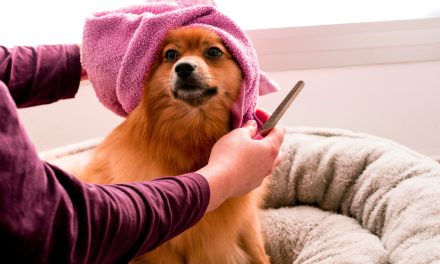
Regular grooming is an essential aspect of pet care that significantly contributes to the overall health and well-being of animals. Grooming not only enhances the aesthetic appeal of pets but also plays a crucial role in maintaining their physical health. For instance, consistent grooming helps to remove dirt, debris, and loose fur, which can otherwise lead to skin irritations or infections. Moreover, it allows pet owners to monitor their pets for any unusual changes in their skin or coat, such as lumps, bumps, or parasites like fleas and ticks.
Additionally, grooming serves as an opportunity for bonding between pets and their owners. The process can be a calming experience for both parties, fostering trust and affection. Regular grooming sessions can also help acclimate pets to handling, making veterinary visits and other necessary procedures less stressful. Overall, the importance of grooming extends beyond mere aesthetics; it is a vital component of responsible pet ownership that promotes health, hygiene, and emotional well-being.
Choosing the Right Grooming Tools for Your Pet
Selecting appropriate grooming tools is paramount for effective grooming practices. The right tools can make the process smoother and more enjoyable for both the pet and the owner. Essential grooming tools typically include brushes, combs, clippers, nail trimmers, and bathing supplies. The choice of tools largely depends on the specific breed and coat type of the pet. For example, long-haired breeds may require slicker brushes and wide-toothed combs to prevent matting, while short-haired breeds might benefit from rubber grooming mitts that effectively remove loose hair.
When choosing grooming tools, it is crucial to consider the quality and ergonomics of the products. High-quality tools are often more durable and efficient, reducing the risk of injury to both the pet and the owner. Ergonomically designed handles can minimize strain on the hands during prolonged grooming sessions. Additionally, pet owners should ensure that all tools are easy to clean and maintain to promote hygiene and longevity.
Establishing a Comfortable Grooming Routine

Creating a consistent grooming routine is essential for ensuring that pets become accustomed to the process. A well-structured routine can help alleviate anxiety and stress associated with grooming. It is advisable to start grooming sessions at a young age, allowing pets to gradually adapt to various grooming techniques and tools. For adult pets, introducing grooming slowly and positively can help ease any apprehension they may have developed.
Timing is also a critical factor in establishing a comfortable grooming routine. Choosing a quiet time when both the pet and owner are relaxed can enhance the experience. Short sessions are recommended initially, gradually increasing duration as the pet becomes more comfortable. Incorporating positive reinforcement techniques, such as treats or praise, can further encourage pets to associate grooming with positive experiences.
Bathing Your Pet Safely and Effectively

Bathing is an integral part of pet grooming that requires careful consideration to ensure safety and effectiveness. It is essential to use pet-specific shampoos that are formulated for their unique skin pH levels. Human shampoos can disrupt the natural oils in a pet’s coat, leading to dryness or irritation. Before bathing, it is advisable to brush the coat thoroughly to remove tangles and loose hair.
When bathing a pet, it is crucial to use lukewarm water and avoid getting water in their ears or eyes. A non-slip mat in the bathing area can prevent accidents and provide stability for the pet. After applying shampoo, it is important to rinse thoroughly to eliminate any residue that could cause skin irritation. Following the bath, drying techniques should be tailored to the pet’s coat type; some may require towel drying while others may benefit from a blow dryer set on low heat.
Proper Brushing Techniques for Different Coat Types
Brushing is a fundamental aspect of grooming that varies significantly based on coat types. For pets with long hair, such as Afghan Hounds or Shih Tzus, using a wide-toothed comb followed by a slicker brush can help detangle knots without causing discomfort. It is advisable to start brushing from the tips of the hair and work towards the roots to minimize pulling on the skin.
Short-haired breeds like Beagles or Boxers require different techniques; a rubber brush or bristle brush can effectively remove loose hair while distributing natural oils throughout the coat. Regular brushing not only keeps coats looking their best but also reduces shedding and prevents matting. Understanding specific brushing techniques tailored to each coat type ensures optimal results and enhances the overall grooming experience.
Nail Trimming: Tips to Avoid Stress and Injury
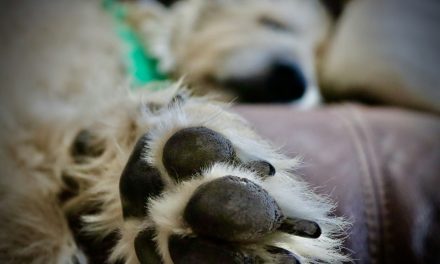
Nail trimming is often one of the most challenging aspects of pet grooming due to its potential for causing stress or injury if not performed correctly. It is essential to use high-quality nail clippers designed specifically for pets to ensure precision and safety. Before trimming, familiarizing pets with the clippers through positive reinforcement can help reduce anxiety.
When trimming nails, it is crucial to identify the quick—the sensitive area containing blood vessels—especially in pets with dark nails where it may be difficult to see. Trimming just beyond the quick can prevent bleeding and pain. If a mistake occurs, having styptic powder on hand can quickly stop any bleeding. Regular nail trimming not only prevents discomfort but also reduces the risk of injury from snagged nails.
Ear Cleaning to Prevent Infections
Ear cleaning is an often-overlooked aspect of pet grooming that plays a vital role in preventing infections and maintaining ear health. Pets with floppy ears or those prone to ear infections require regular cleaning to remove wax buildup and debris. It is advisable to use veterinarian-recommended ear cleaning solutions rather than homemade remedies that could irritate sensitive ear tissues.
During cleaning, gently lift the ear flap and apply a few drops of cleaning solution into the ear canal. Massaging the base of the ear helps distribute the solution while loosening debris. Afterward, allow the pet to shake its head before wiping away excess fluid with a cotton ball or gauze pad. Regular ear cleaning not only prevents infections but also promotes overall ear health.
Dental Care Basics for a Healthy Smile
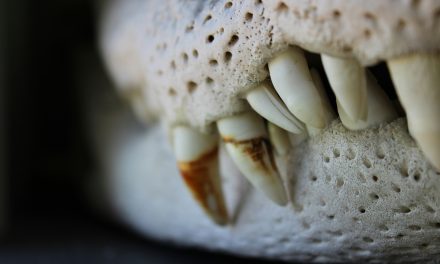
Dental care is an essential component of pet grooming that significantly impacts overall health. Poor dental hygiene can lead to periodontal disease, which may result in pain, tooth loss, and systemic health issues affecting organs such as the heart and kidneys. Regular brushing using pet-specific toothpaste is recommended for maintaining oral hygiene.
In addition to brushing, dental chews and toys designed for dental health can help reduce plaque buildup while providing entertainment for pets. Regular veterinary dental check-ups are also crucial for identifying potential issues early on. By prioritizing dental care within grooming routines, pet owners can ensure their furry companions maintain healthy smiles throughout their lives.
Recognizing Signs of Skin Problems During Grooming
Grooming sessions provide an excellent opportunity for pet owners to observe any changes in their pet’s skin condition that may indicate underlying health issues. Common signs of skin problems include excessive scratching, redness, swelling, or unusual odors emanating from the skin or coat. Identifying these signs early can lead to prompt veterinary intervention and treatment.
During grooming, owners should pay close attention to areas prone to irritation such as armpits, groin regions, and between toes where moisture may accumulate. If any abnormalities are detected, it is advisable to consult a veterinarian for further evaluation and potential treatment options such as medicated shampoos or topical ointments.
When to Seek Professional Grooming Services
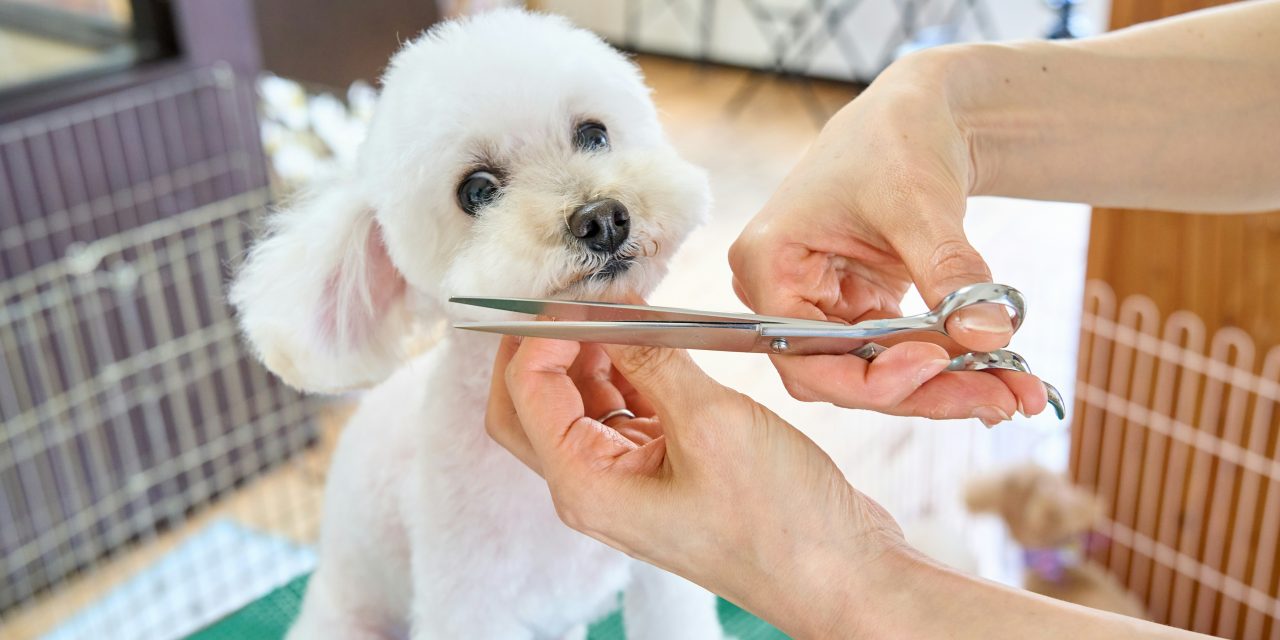
While many pet owners can manage basic grooming tasks at home, there are instances when seeking professional grooming services becomes necessary. Pets with specialized needs—such as those requiring intricate haircuts or those with severe matting—may benefit from professional groomers who possess expertise in handling various breeds and coat types.
Additionally, pets exhibiting behavioral issues during grooming may require professional assistance to ensure their safety and comfort. Groomers are trained in techniques that minimize stress while providing thorough care. Regular visits to professional groomers can also complement at-home grooming efforts by addressing specific needs that may arise over time.
Creating a Positive Grooming Experience for Your Pet
Fostering a positive grooming experience is essential for building trust between pets and their owners while ensuring compliance during grooming sessions. Utilizing positive reinforcement techniques—such as treats or praise—can significantly enhance a pet’s willingness to participate in grooming activities.
Establishing a calm environment free from distractions can also contribute to a more pleasant experience for both parties involved. Incorporating playtime or relaxation techniques before grooming sessions can help alleviate anxiety while promoting a sense of security for pets.
In summary, regular grooming is vital for maintaining your pet’s health and well-being while fostering a strong bond between owner and animal. By selecting appropriate tools, establishing routines, practicing safe bathing techniques, employing proper brushing methods tailored to coat types, trimming nails carefully, cleaning ears regularly, prioritizing dental care, recognizing skin issues early on, knowing when to seek professional help, and creating positive experiences during grooming sessions—pet owners can ensure their furry companions remain healthy and happy throughout their lives.
### FAQ Section
1. **How often should I groom my pet?**
– The frequency of grooming depends on your pet’s breed and coat type; long-haired breeds may require weekly grooming while short-haired breeds might need less frequent attention.
2. **What tools do I need for basic grooming?**
– Essential tools include brushes (appropriate for coat type), nail clippers, ear cleaning solution, toothbrushes designed for pets, and shampoo formulated specifically for animals.
3. **Can I use human shampoo on my pet?**
– No; human shampoos can disrupt your pet’s skin pH balance leading to irritation or dryness; always opt for products specifically designed for pets.
4. **What should I do if my pet resists grooming?**
– Gradually introduce grooming tools while using positive reinforcement techniques; consider consulting a professional groomer if resistance continues.
5. **How do I know if my pet has dental issues?**
– Signs include bad breath, difficulty eating, swollen gums, or loose teeth; regular veterinary check-ups are essential for early detection.
6. **What are common signs of skin problems?**
– Look out for excessive scratching, redness or swelling on the skin, unusual odors from the coat or skin surface; consult your veterinarian if you notice these signs.
7. **How do I safely trim my pet’s nails?**
– Use specialized nail clippers designed for pets; identify the quick carefully; trim just beyond it; have styptic powder ready in case of accidental cuts.
8. **When should I seek professional grooming services?**
– If your pet has specialized needs such as severe matting or behavioral issues during grooming; professional groomers have training that can help alleviate stress during these processes.
9. **What should I do if my pet has an ear infection?**
– Consult your veterinarian immediately; they may prescribe medication or recommend specific cleaning solutions tailored for your pet’s condition.
10. **How can I make bath time enjoyable for my pet?**
– Use lukewarm water; incorporate playtime before bathing; offer treats during and after bath time; ensure safety with non-slip mats in bathing areas.
In conclusion, regular grooming is not merely about aesthetics but encompasses various aspects of health maintenance that contribute significantly to your pet’s quality of life. By understanding proper techniques and fostering positive experiences during grooming sessions, you can ensure your furry friend remains healthy and happy throughout their life journey together.
FAQs
What are the basic tools needed for pet grooming?
The basic tools needed for pet grooming typically include a brush or comb suitable for your pet’s coat type, nail clippers or a nail grinder, pet shampoo, a towel, and possibly a grooming table. Depending on the breed, additional tools like clippers or scissors may also be necessary.
How often should I groom my pet?
The frequency of grooming depends on the type of pet and its coat. Generally, dogs with long or thick coats may require grooming every 4 to 6 weeks, while short-haired breeds may only need grooming every few months. Cats usually groom themselves, but long-haired breeds may need regular brushing to prevent matting.
What are the benefits of regular grooming for pets?
Regular grooming helps maintain a pet’s coat and skin health, reduces shedding, and prevents matting. It also allows for early detection of skin issues, parasites, or abnormalities. Additionally, grooming can strengthen the bond between the pet and owner and improve the pet’s overall hygiene.
Can I groom my pet at home, or should I take them to a professional?
You can groom your pet at home if you have the right tools and knowledge, especially for basic grooming tasks like brushing and bathing. However, for more complex grooming needs, such as haircuts or dealing with severe matting, it may be best to consult a professional groomer.
What should I do if my pet is anxious during grooming?
If your pet is anxious during grooming, try to create a calm environment by using soothing voices and gentle handling. Gradually introduce grooming tools and techniques, and consider rewarding your pet with treats or praise. If anxiety persists, consult a veterinarian or a professional groomer for additional strategies.