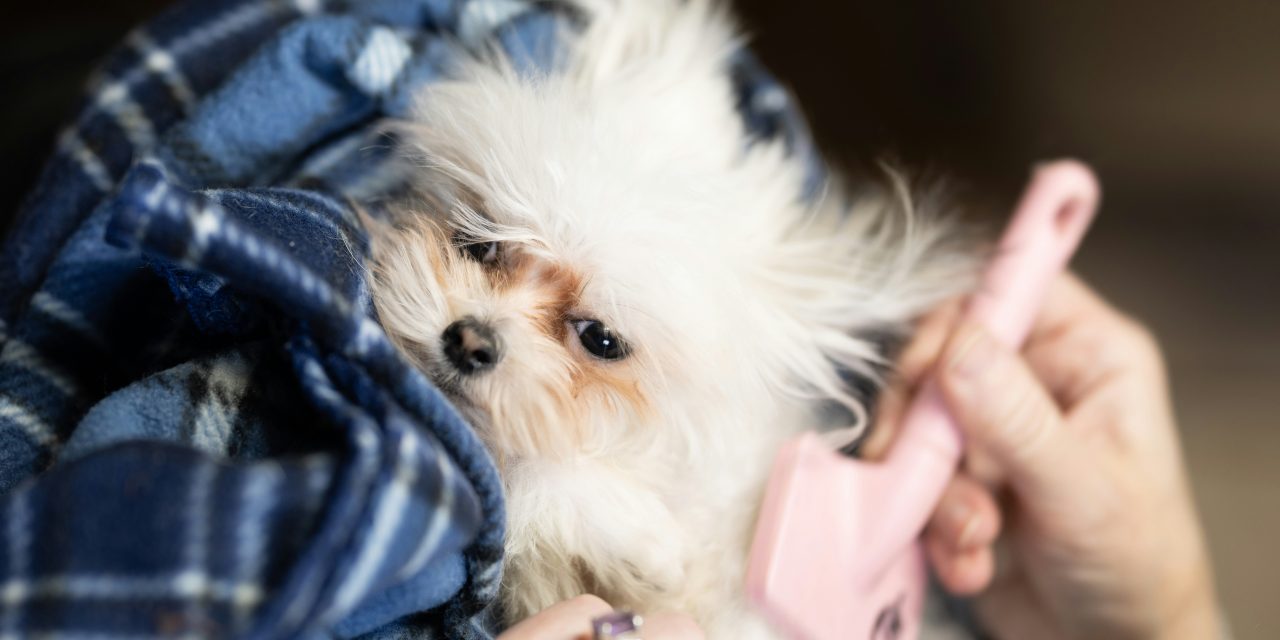
Pet grooming is an integral aspect of responsible pet ownership, contributing not only to the aesthetic appeal of your furry companions but also to their overall health and well-being. Regular grooming sessions can prevent various health issues, such as skin infections, matting, and dental diseases. To achieve optimal grooming results, it is essential to equip yourself with the right tools tailored to your pet’s specific needs. This article delves into the essential grooming tools every pet owner should consider, providing insights into their functions and benefits.
Understanding the importance of grooming tools is crucial for maintaining your pet’s hygiene and comfort. The right equipment can make the grooming process more efficient and enjoyable for both you and your pet. From brushes and combs to specialized shampoos and dental care tools, each item plays a vital role in ensuring your pet remains healthy and happy. By investing in quality grooming tools, you can foster a strong bond with your pet while promoting their physical and emotional well-being.
Brushes: Types and Their Uses for Different Coats
When it comes to grooming, brushes are perhaps the most fundamental tools in any pet owner’s arsenal. They come in various types, each designed for specific coat types and grooming needs. For instance, slicker brushes are ideal for removing tangles and mats from long-haired breeds, while bristle brushes work well for short-haired pets, helping to distribute natural oils throughout the coat.
Another popular option is the pin brush, which features rounded tips that gently detangle fur without causing discomfort. This type of brush is particularly effective for medium to long-haired breeds, as it can penetrate deeper into the coat. Additionally, rubber brushes are excellent for removing loose hair and dirt while providing a soothing massage for your pet. Understanding the unique characteristics of your pet’s coat will guide you in selecting the most appropriate brush for effective grooming.
Regular brushing not only keeps your pet’s coat looking its best but also serves as an opportunity to check for skin irritations, parasites, or other health concerns. Establishing a consistent brushing routine can significantly reduce shedding and matting, making it easier to manage your pet’s fur. Moreover, it can enhance the bond between you and your pet, as they come to associate grooming with positive experiences.
Combs: Why Every Pet Owner Needs One

Combs are indispensable tools in the grooming toolkit, complementing brushes by providing a more precise approach to detangling and styling. They are particularly useful for addressing knots and mats that may be difficult to remove with a brush alone. Combs come in various sizes and designs, including wide-toothed combs for thick or curly coats and fine-toothed combs for delicate areas such as around the eyes and ears.
Using a comb allows pet owners to inspect their pets’ coats closely, identifying any potential issues such as fleas or skin irritations. Regular combing can also help distribute natural oils throughout the fur, promoting a healthy shine. For pets with long or thick coats, incorporating a comb into your grooming routine can significantly reduce the risk of matting and tangling.
In addition to their grooming benefits, combs can also serve as a tool for training and behavior modification. By using a comb during grooming sessions, you can help your pet become accustomed to handling in sensitive areas, making future grooming experiences more manageable. Overall, a quality comb is an essential investment for any pet owner looking to maintain their pet’s coat health effectively.
Nail Clippers and Grinders: Keeping Paws Healthy

Maintaining your pet’s nail health is crucial for their overall well-being. Overgrown nails can lead to discomfort, pain, and even mobility issues. Nail clippers and grinders are essential tools for keeping your pet’s paws healthy and comfortable. There are several types of nail clippers available, including guillotine-style clippers, scissors-style clippers, and electric grinders.
Guillotine-style clippers are designed for small to medium-sized pets, providing a clean cut with minimal effort. Scissors-style clippers are more suitable for larger breeds with thicker nails. Electric grinders offer a different approach by gently sanding down the nail rather than cutting it. This method can be particularly beneficial for anxious pets who may be fearful of traditional clippers.
Regardless of the tool you choose, it is essential to familiarize yourself with proper nail trimming techniques to avoid injuring your pet. Always aim to cut just above the quick—the sensitive area containing blood vessels—while ensuring your pet remains calm throughout the process. Regular nail maintenance not only prevents discomfort but also promotes healthy paw structure and function.
Shedding Tools: Managing Excess Fur Effectively
Shedding is a natural process for pets; however, excessive shedding can become a nuisance for both pets and their owners. Shedding tools are specifically designed to manage this issue effectively. De-shedding tools, such as undercoat rakes and shedding blades, help remove loose fur from the undercoat without damaging the topcoat.
Undercoat rakes feature long teeth that penetrate deep into the fur, effectively removing dead hair while minimizing discomfort for your pet. Shedding blades consist of a metal loop with serrated edges that glide over the coat to capture loose fur efficiently. These tools are particularly beneficial during seasonal shedding periods when pets lose their winter coats.
Incorporating shedding tools into your grooming routine can significantly reduce the amount of fur around your home while keeping your pet comfortable. Regular use of these tools not only helps manage shedding but also promotes healthy skin by stimulating blood circulation and distributing natural oils throughout the coat.
Grooming Scissors: Precision Trimming for a Polished Look
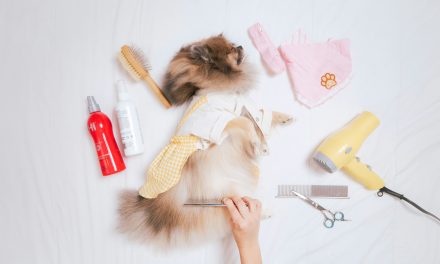
Grooming scissors are essential for achieving a polished appearance in pets with longer coats or specific styling needs. These scissors come in various shapes and sizes, including straight scissors for general trimming and curved scissors for shaping around sensitive areas such as the face or paws.
When using grooming scissors, precision is key. It is crucial to select high-quality scissors designed specifically for pet grooming to ensure clean cuts without causing discomfort or injury. Regular trimming helps maintain a neat appearance while preventing matting and tangling in long-haired breeds.
In addition to aesthetics, regular trimming can also promote better hygiene by preventing dirt buildup in areas prone to matting. Grooming scissors allow pet owners to customize their pets’ looks while ensuring their comfort and health remain a priority.
Pet Shampoos and Conditioners: Choosing the Right Products
Selecting appropriate shampoos and conditioners is vital for maintaining your pet’s coat health. With numerous products available on the market, understanding your pet’s specific needs is essential when making a choice. For instance, hypoallergenic shampoos are ideal for pets with sensitive skin or allergies, while moisturizing shampoos can benefit those with dry or brittle coats.
Conditioners play an equally important role in maintaining coat health by providing hydration and detangling properties. Look for products that contain natural ingredients such as aloe vera or oatmeal, which can soothe irritated skin while promoting a healthy shine.
It is crucial to avoid human shampoos when bathing pets, as they may contain harsh chemicals that can irritate their skin. Always opt for products specifically formulated for animals to ensure safety and effectiveness during grooming sessions.
Ear Cleaners: Maintaining Ear Health and Hygiene
Ear health is often overlooked in pet grooming routines; however, regular cleaning is essential for preventing infections and maintaining overall hygiene. Ear cleaners designed specifically for pets help remove wax buildup and debris while soothing irritated skin.
When selecting an ear cleaner, look for products that contain gentle ingredients such as witch hazel or aloe vera. These ingredients help cleanse the ear canal without causing discomfort or irritation. Regular ear cleaning should be part of your grooming routine, especially for breeds prone to ear infections due to their floppy ears or excessive hair growth in the ear canal.
To clean your pet’s ears effectively, apply a few drops of ear cleaner into the ear canal and gently massage the base of the ear to distribute the solution. Allow your pet to shake their head to dislodge any debris before wiping away excess cleaner with a cotton ball or soft cloth.
Toothbrushes and Dental Care Tools for Pets
Dental hygiene is crucial for maintaining your pet’s overall health; neglecting oral care can lead to serious health issues such as periodontal disease or tooth loss. Investing in toothbrushes specifically designed for pets is essential for effective dental care.
Pet toothbrushes come in various sizes and shapes, including finger brushes that allow you to clean your pet’s teeth gently without causing discomfort. Additionally, dental wipes can be an excellent alternative for pets who resist traditional brushing methods.
Regular brushing helps remove plaque buildup while preventing bad breath and gum disease. Aim to brush your pet’s teeth at least two to three times per week using toothpaste formulated specifically for animals—never use human toothpaste as it may contain harmful ingredients.
Grooming Gloves: Gentle and Effective Fur Removal
Grooming gloves have gained popularity among pet owners due to their ease of use and effectiveness in removing loose fur while providing a gentle massage experience for pets. These gloves feature rubber bristles that capture loose hair while allowing you to bond with your furry friend during grooming sessions.
Using grooming gloves can be particularly beneficial for pets who may be anxious about traditional grooming tools such as brushes or combs. The glove format allows you to groom your pet while simply petting them, making it a stress-free experience.
In addition to fur removal, grooming gloves help stimulate blood circulation in your pet’s skin while distributing natural oils throughout their coat—promoting overall coat health.
Dryers and Towels: Proper Drying Techniques After Baths
After bathing your pet, proper drying techniques are essential to prevent skin issues associated with damp fur. Pet-specific dryers are designed to provide gentle airflow without overheating or causing discomfort during drying sessions.
When using a dryer, start at a low setting and gradually increase airflow as your pet becomes accustomed to the sound and sensation of drying. Always keep the dryer at a safe distance from your pet’s skin to avoid burns or irritation.
In addition to dryers, high-quality absorbent towels are essential for drying off excess moisture before using a dryer. Microfiber towels are particularly effective at soaking up water quickly while being gentle on your pet’s skin.
In conclusion, investing in essential grooming tools is vital for maintaining your pet’s health and appearance. From brushes and combs to specialized shampoos and dental care products, each tool plays a significant role in promoting overall well-being. By establishing a consistent grooming routine using these tools, you can ensure that your furry companion remains happy, healthy, and looking their best throughout their life.
FAQs
What are the essential grooming tools for dogs?
Essential grooming tools for dogs include brushes, combs, nail clippers, grooming scissors, and shampoos. Brushes help remove loose fur and prevent matting, while combs can detangle knots. Nail clippers are necessary for maintaining nail length, and grooming scissors can help trim fur around sensitive areas. Additionally, dog-specific shampoos are important for maintaining skin health.
How do I choose the right brush for my pet?
Choosing the right brush depends on your pet’s coat type. For short-haired pets, a bristle brush or rubber grooming mitt may be sufficient. Long-haired pets typically require a slicker brush or a wide-toothed comb to prevent tangles. It’s important to consider your pet’s specific needs, such as sensitivity and shedding patterns, when selecting a brush.
What grooming tools are best for cats?
For cats, the best grooming tools include a slicker brush, a comb, and nail clippers. A slicker brush is effective for removing loose fur and preventing hairballs, while a comb can help detangle knots. Nail clippers designed specifically for cats are also important for maintaining their claws without causing injury.
How often should I groom my pet?
The frequency of grooming depends on the pet’s breed, coat type, and lifestyle. Generally, long-haired pets may require grooming several times a week, while short-haired pets can be groomed less frequently, perhaps once a month. Regular grooming helps reduce shedding, prevents matting, and promotes overall skin health.
Can I use human grooming tools on my pets?
While some human grooming tools can be used on pets, it is generally recommended to use tools specifically designed for animals. Human brushes and combs may not be suitable for pet fur and can cause discomfort or injury. Additionally, pet grooming tools are designed to accommodate the unique needs of animal coats and skin.