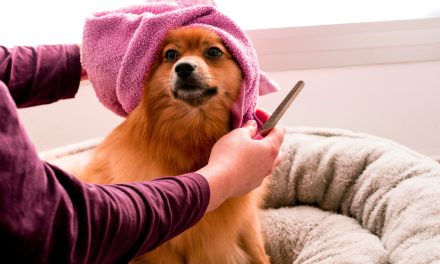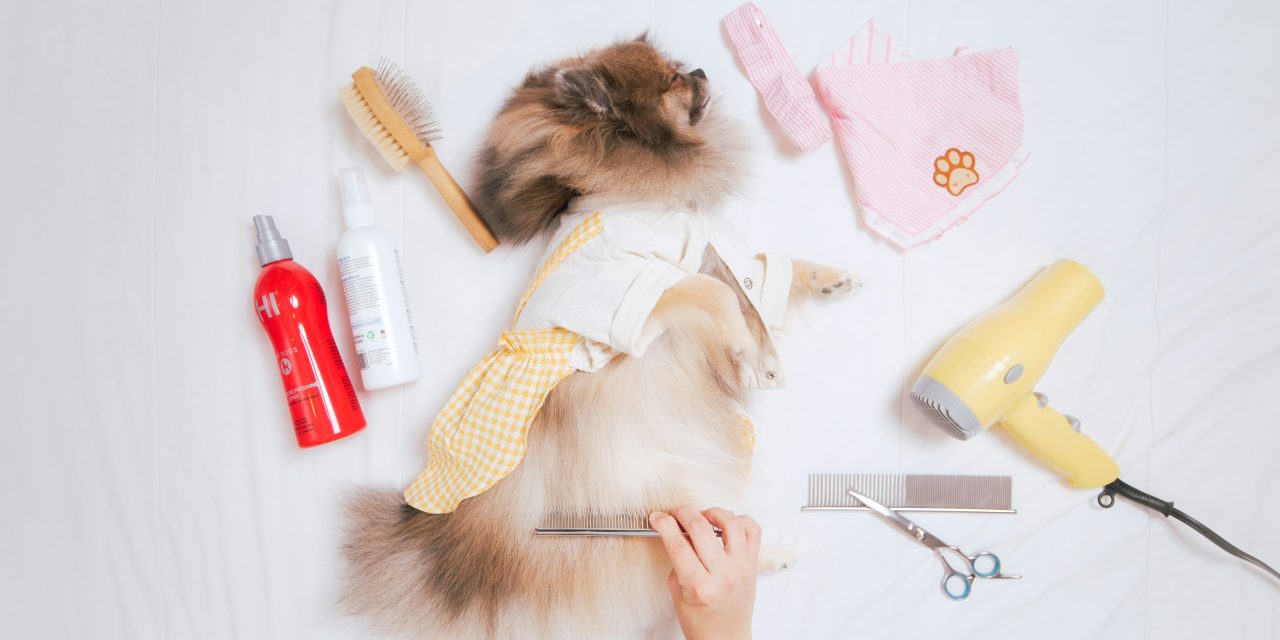
As winter approaches, pet owners must prioritize grooming to safeguard their animals against the harsh elements. The cold weather can lead to dry skin, matting, and other dermatological issues. The first step in winter grooming is to ensure that your pet’s coat is adequately insulated. For breeds with thick fur, regular brushing is essential to prevent matting, which can trap moisture and lead to skin infections. Conversely, short-haired breeds may require additional layers or protective clothing to maintain body heat.
In addition to brushing, moisturizing products specifically designed for pets can be beneficial during winter months. These products often contain ingredients such as aloe vera or vitamin E, which help to hydrate the skin and prevent flaking. Regular baths with a gentle, hydrating shampoo can also assist in maintaining coat health. However, it is crucial to avoid over-bathing, as this can strip natural oils and exacerbate dryness. A balanced approach to grooming during winter ensures that pets remain comfortable and healthy throughout the season.
Spring Grooming: Shedding and Allergy Management
As the temperatures rise and flowers bloom, spring brings about significant changes in pet grooming needs. One of the most notable challenges during this season is shedding. Many pets experience a heavy coat loss as they transition from winter fur to lighter summer coats. Regular brushing becomes paramount during this time to manage shedding effectively. Utilizing tools such as de-shedding brushes or grooming gloves can significantly reduce loose hair and minimize mess around the home.
Spring also marks the onset of allergy season for many pets. Environmental allergens such as pollen can trigger allergic reactions, leading to itching, redness, and discomfort. To combat these issues, pet owners should consider incorporating hypoallergenic shampoos into their grooming routine. Additionally, regular baths can help remove allergens from the coat and skin. For pets with severe allergies, consulting a veterinarian for potential antihistamine treatments or allergy testing may be necessary to ensure optimal comfort.
Summer Grooming: Staying Cool and Preventing Sun Damage

Summer presents unique challenges for pet grooming, primarily due to rising temperatures and increased sun exposure. To keep pets cool, regular grooming is essential. Short-haired breeds may benefit from a simple trim to help regulate body temperature, while long-haired breeds require consistent brushing to prevent overheating and matting. It is crucial to monitor pets for signs of heat stress, such as excessive panting or lethargy.
Sun protection is another vital aspect of summer grooming. Pets with light-colored or thin coats are particularly susceptible to sunburn. Applying pet-safe sunscreen on exposed areas such as the nose and ears can help prevent skin damage. Additionally, providing shaded areas during outdoor activities and limiting exposure during peak sun hours can further protect pets from harmful UV rays. By implementing these strategies, pet owners can ensure their furry companions remain comfortable and safe throughout the summer months.
Fall Grooming: Preparing for Dry Air and Seasonal Changes

As autumn arrives, pet owners must adapt their grooming routines to accommodate the changing environment. The transition from warm to cooler temperatures often results in drier air, which can lead to skin irritation and dehydration in pets. To combat these effects, it is essential to increase the frequency of moisturizing treatments during fall grooming sessions. Products containing natural oils can help restore moisture levels in the skin and coat.
Additionally, fall is a time when many pets begin to grow their winter coats. Regular brushing not only helps manage shedding but also stimulates natural oil production, promoting a healthy shine. Pet owners should also consider adjusting their bathing frequency during this season; less frequent baths can help retain essential oils while still addressing any dirt or debris accumulated from outdoor activities. By preparing for the seasonal changes in fall grooming routines, pet owners can ensure their pets remain comfortable and healthy.
Year-Round Nail Care: Keeping Claws Trim and Healthy
Nail care is an often-overlooked aspect of pet grooming that requires attention throughout the year. Regular nail trimming is essential for maintaining proper foot health and preventing discomfort or injury. Overgrown nails can lead to painful splaying of toes or even joint issues due to altered gait patterns. Pet owners should aim to trim their pet’s nails every 4-6 weeks, depending on activity levels and natural wear.
In addition to trimming, it is crucial to monitor for any signs of nail-related issues such as splitting or cracking. Providing appropriate surfaces for pets to walk on can help naturally wear down nails; however, this should not replace regular trimming. For pets that are anxious about nail care, gradual desensitization techniques or professional grooming services may be beneficial in ensuring a stress-free experience.
Seasonal Bathing Tips: Adjusting Frequency and Products
Bathing frequency should be tailored according to seasonal changes and individual pet needs. During winter months, pets may require fewer baths due to reduced outdoor activity levels; however, it is essential to maintain cleanliness without stripping natural oils from the coat. Opting for a moisturizing shampoo can help maintain hydration while still addressing dirt accumulation.
In contrast, spring and summer may necessitate more frequent bathing due to increased outdoor exposure and potential allergens. Pet owners should select shampoos formulated for specific needs—such as hypoallergenic options for allergy-prone pets or flea-repellent formulas during peak parasite seasons. It is vital to rinse thoroughly after bathing to prevent residue buildup that could irritate the skin.
Coat Care: Brushing Techniques for Each Season
Brushing techniques should vary according to seasonal requirements and coat types. In winter, focus on using slicker brushes or undercoat rakes for long-haired breeds to prevent matting while distributing natural oils throughout the coat. For short-haired breeds, rubber brushes or grooming mitts can effectively remove loose hair while providing a gentle massage.
During spring shedding season, de-shedding tools become invaluable for managing loose fur effectively. These tools are designed to reach deep into the undercoat without damaging the top layer of fur. In summer, light brushing with a bristle brush can help remove dirt while keeping coats cool and manageable. Finally, in fall, transitioning back to slicker brushes will prepare pets for their winter coats while maintaining overall coat health.
Moisturizing and Hydration: Combatting Seasonal Dryness
Seasonal dryness can significantly impact a pet’s skin health, leading to irritation and discomfort if not addressed properly. To combat this issue, incorporating moisturizing products into grooming routines is essential year-round but particularly important during winter and fall months when humidity levels drop.
Pet-safe moisturizers containing ingredients like oatmeal or shea butter can provide relief from dryness when applied directly to affected areas or used during baths. Additionally, ensuring that pets have access to fresh water at all times promotes internal hydration, which is crucial for maintaining healthy skin and coat conditions.
Dental Hygiene: Maintaining Fresh Breath Throughout the Year
Dental hygiene is an integral part of overall pet health that often goes unnoticed by pet owners. Regular dental care helps prevent periodontal disease, which can lead to serious health complications if left untreated. Brushing your pet’s teeth at least two to three times a week using veterinary-approved toothpaste is recommended for optimal oral health.
In addition to brushing, dental chews or toys designed specifically for cleaning teeth can be beneficial in maintaining fresh breath and reducing plaque buildup between professional cleanings. Regular veterinary dental check-ups are also essential for identifying any underlying issues early on.
Seasonal Diet Adjustments for Optimal Skin and Coat Health
Diet plays a crucial role in maintaining healthy skin and coat throughout the year. Seasonal changes may necessitate adjustments in nutritional intake based on activity levels and environmental factors. For instance, during colder months when pets are less active, it may be beneficial to reduce caloric intake slightly while ensuring they receive adequate nutrients.
Incorporating omega-3 fatty acids into your pet’s diet can significantly improve skin health and coat condition regardless of the season. Foods rich in these fatty acids—such as fish oil or flaxseed—can help combat dryness and promote a shiny coat. Consulting with a veterinarian about specific dietary needs based on seasonal changes ensures that pets receive optimal nutrition year-round.
Protecting Against Seasonal Parasites: Fleas, Ticks, and More
Seasonal changes bring about an increase in parasite activity that poses risks to pet health. Fleas and ticks thrive in warmer months but can also be problematic during milder winters in certain regions. Implementing preventive measures is crucial for safeguarding pets against these pests.
Regularly applying veterinarian-recommended flea and tick preventatives—such as topical treatments or oral medications—can significantly reduce the risk of infestations. Additionally, maintaining a clean living environment by vacuuming regularly and washing bedding helps eliminate potential breeding grounds for parasites. Routine checks after outdoor activities are essential for identifying ticks early before they attach.
In summary, seasonal grooming is vital for maintaining your pet’s overall health and comfort throughout the year. Each season presents unique challenges that require tailored approaches in grooming techniques, bathing frequency, diet adjustments, and parasite prevention strategies. By prioritizing these aspects of care, pet owners can ensure their furry companions remain happy and healthy regardless of the weather conditions outside.
FAQs
What are some essential grooming tips for winter?
During winter, it’s important to keep your skin moisturized to combat dryness caused by cold air and indoor heating. Use a rich moisturizer and consider applying it immediately after showering. Additionally, don’t forget to protect your lips with a hydrating lip balm and keep your hair conditioned to prevent static and dryness.
How can I prepare my skin for summer?
To prepare your skin for summer, exfoliate regularly to remove dead skin cells and promote a healthy glow. Use a lightweight moisturizer with SPF to protect against sun damage. It’s also beneficial to switch to lighter makeup products and ensure you stay hydrated by drinking plenty of water.
What grooming practices should I follow in the spring?
In spring, focus on rejuvenating your skin after winter. Incorporate a gentle exfoliating scrub into your routine to refresh your complexion. It’s also a great time to trim and shape your hair, as well as to switch to lighter, breathable fabrics for your clothing to accommodate the warming weather.
Are there specific grooming tips for fall?
As temperatures drop in fall, it’s essential to adjust your grooming routine to maintain hydration. Use a thicker moisturizer and consider adding a hydrating serum to your skincare regimen. Additionally, prepare your hair for the change in humidity by using leave-in conditioners and protective hairstyles to prevent damage.
How often should I groom my nails seasonally?
Nail grooming should be done regularly, regardless of the season. However, during winter, you may need to moisturize your cuticles more frequently due to dryness. In summer, consider using bright nail colors and regular manicures to keep your nails looking fresh. Aim for a manicure every 1-2 weeks to maintain healthy nails year-round.