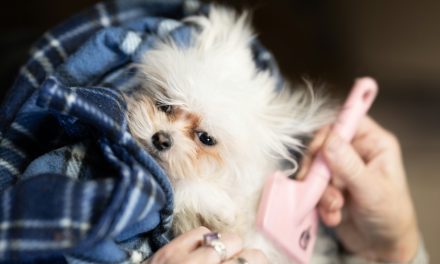
Bathing your pet is an essential aspect of their grooming routine, contributing significantly to their overall health and hygiene. Before initiating the bathing process, it is crucial to prepare both your pet and the environment to ensure a smooth experience. Start by gathering all necessary supplies, including shampoo, conditioner, towels, a brush, and a non-slip mat for the bathing area. This preparation minimizes interruptions and helps maintain a calm atmosphere.
Additionally, it is vital to acclimate your pet to the bathing process. For pets that may be anxious or fearful, consider introducing them to the bathing area gradually. Allow them to explore the space without pressure, rewarding them with treats or praise to create positive associations. This approach can significantly reduce stress during bath time, making it a more enjoyable experience for both you and your furry companion.
Choosing the Right Shampoo and Conditioner
Selecting an appropriate shampoo and conditioner is paramount for maintaining your pet’s coat health. Various formulations cater to specific needs, such as sensitive skin, allergies, or particular coat types. For instance, hypoallergenic shampoos are ideal for pets with skin sensitivities, while oatmeal-based products can soothe irritation and provide moisture.
When choosing a conditioner, look for products that contain natural ingredients like aloe vera or coconut oil, which can enhance coat shine and manageability. Avoid human shampoos, as they can disrupt the pH balance of your pet’s skin, leading to irritation or allergic reactions. Always consult your veterinarian if you are uncertain about which products are best suited for your pet’s unique needs.
Setting Up a Comfortable Bathing Area

Creating a comfortable bathing environment is essential for a successful grooming session. Choose a location that is easily accessible and safe for your pet. Bathtubs, sinks, or even outdoor areas can serve as suitable bathing spots, depending on your pet’s size and temperament. Ensure that the surface is non-slip to prevent accidents during the bath.
Consider the temperature of the bathing area as well; it should be warm enough to keep your pet comfortable but not too hot to cause distress. Having all supplies within reach will streamline the process and minimize the time your pet spends in the bathing area. A calm atmosphere can significantly influence your pet’s behavior during bath time.
Brushing Before the Bath: Why It Matters

Brushing your pet before bathing serves multiple purposes that contribute to a more effective grooming experience. First and foremost, it helps remove loose fur, dirt, and debris from the coat, which can otherwise become matted when wet. This pre-bath grooming step is particularly important for long-haired breeds that are prone to tangles.
Moreover, brushing stimulates the skin’s natural oils, promoting a healthier coat and enhancing shine. It also provides an opportunity to check for any abnormalities such as lumps, bumps, or skin irritations that may require veterinary attention. By incorporating brushing into your pre-bath routine, you set the stage for a more thorough and enjoyable bathing experience.
Using Lukewarm Water for Optimal Comfort
The temperature of the water used during bath time plays a critical role in your pet’s comfort level. Lukewarm water is ideal as it mimics body temperature, ensuring that your pet does not experience shock or discomfort during the bathing process. Water that is too hot can lead to burns or overheating, while cold water can cause stress and anxiety.
To test the water temperature, use your wrist or elbow; it should feel warm but not hot. Additionally, consider using a handheld showerhead or a cup for rinsing, as this allows for better control over water flow and pressure. Ensuring optimal comfort through appropriate water temperature can significantly enhance your pet’s bathing experience.
Gentle Wetting and Shampoo Application Techniques
When it comes to wetting your pet’s coat, gentle techniques are paramount to avoid startling them. Start by using a handheld showerhead or a cup to wet their fur gradually, beginning at the neck and working downwards. This method allows you to control the water flow while ensuring that your pet remains calm throughout the process.
Once your pet is thoroughly wet, apply shampoo according to the manufacturer’s instructions. Focus on massaging the product into their coat gently, avoiding sensitive areas such as the eyes and ears. Use circular motions to distribute the shampoo evenly while also providing a soothing massage that can help relax your pet further. This technique not only cleanses effectively but also enhances bonding between you and your furry friend.
Proper Rinsing to Remove All Soap Residue
Thorough rinsing is crucial in preventing skin irritation caused by leftover soap residue. After shampooing, ensure that all product is washed away by using lukewarm water again. Pay special attention to areas where soap may accumulate, such as underbelly folds and behind ears.
To ensure complete rinsing, continue until the water runs clear without any suds. A good rule of thumb is to rinse twice as long as you shampooed; this ensures that no residue remains on the coat or skin. Proper rinsing not only promotes skin health but also enhances the effectiveness of any conditioner applied afterward.
Drying Your Pet Safely and Effectively
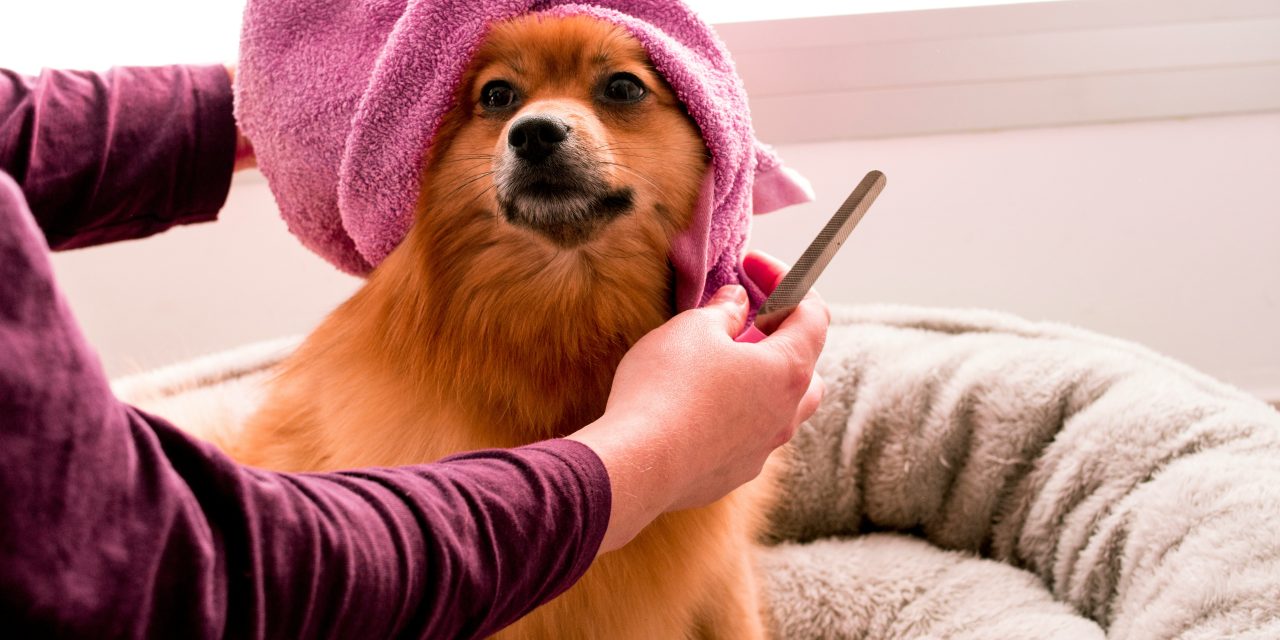
Drying your pet after a bath is an essential step that requires careful consideration to avoid stress or injury. Begin by gently towel-drying your pet to remove excess moisture; this method is less intimidating than using a blow dryer initially. Use soft towels that are absorbent yet gentle on their skin.
If you choose to use a blow dryer, select one designed specifically for pets that offers adjustable heat settings and low noise levels. Keep the dryer at a safe distance from their skin to prevent burns and ensure comfort throughout the drying process. Always monitor your pet’s reactions; if they appear anxious or uncomfortable, revert to towel drying or allow them to air dry in a warm environment.
Handling Anxious or Fearful Pets During Baths
Bath time can be particularly challenging for anxious or fearful pets; however, there are strategies you can employ to ease their stress levels. First and foremost, create a calm environment by speaking softly and reassuringly throughout the process. Consider using treats or toys as positive reinforcement during each step of the bath.
Additionally, desensitization techniques can be beneficial in preparing anxious pets for future baths. Gradually introduce them to water in smaller increments outside of bath time—such as during play sessions—so they become accustomed to the sensation without associating it with stress. Patience and consistency are key in helping fearful pets learn that bath time can be a positive experience.
Frequency of Baths: How Often Should You Bathe Your Pet?
Determining how often to bathe your pet depends on several factors including breed type, coat condition, activity level, and any underlying health issues. Generally speaking, dogs with oily coats may require more frequent baths—every 2-4 weeks—while those with dry skin may only need bathing every 6-8 weeks.
Cats typically groom themselves effectively; however, certain breeds may benefit from occasional baths if they have long hair or are prone to matting. Always consult with your veterinarian regarding specific recommendations tailored to your pet’s individual needs and lifestyle.
Post-Bath Grooming Tips for a Happy, Healthy Coat
After bath time concludes, post-bath grooming is essential for maintaining a healthy coat and skin condition. Begin by inspecting your pet’s coat for any tangles or mats that may have formed during washing; use a comb or brush designed for their specific coat type to gently detangle.
Applying a leave-in conditioner can also enhance coat health by providing additional moisture and protection against environmental factors. Regular grooming sessions following baths will help distribute natural oils throughout their coat while keeping it clean and free from debris. This routine not only promotes physical health but also strengthens the bond between you and your beloved companion.
In summary, preparing your pet for bath time involves careful planning and consideration of their comfort throughout the process. Choosing appropriate products tailored to their needs ensures optimal results while creating a positive experience through gentle techniques and reassurance can alleviate anxiety in fearful pets. Regular grooming practices following baths contribute significantly to maintaining a happy and healthy coat for your furry friend.
FAQs
What are the basic steps for bathing a pet?
The basic steps for bathing a pet include gathering all necessary supplies such as pet shampoo, towels, and a brush. Start by brushing your pet to remove loose fur and mats. Then, wet your pet’s coat thoroughly with lukewarm water, apply the shampoo, and lather it well. Rinse thoroughly to remove all soap, and then dry your pet with a towel or a pet dryer, depending on their comfort level.
How often should I bathe my pet?
The frequency of bathing your pet depends on their breed, coat type, and lifestyle. Generally, dogs can be bathed every 4 to 6 weeks, while cats typically require less frequent baths, usually only when necessary. Pets that spend a lot of time outdoors or have skin conditions may need more regular baths.
What type of shampoo should I use for my pet?
It is important to use a shampoo specifically formulated for pets, as human shampoos can disrupt their skin’s pH balance. Look for a gentle, hypoallergenic pet shampoo that suits your pet’s specific needs, such as moisturizing formulas for dry skin or medicated shampoos for skin conditions.
How can I make bath time more comfortable for my pet?
To make bath time more comfortable for your pet, ensure the bathing area is non-slip to prevent accidents. Use lukewarm water and speak to your pet in a calm, reassuring voice throughout the process. You can also reward them with treats or praise to create a positive association with bathing.
What should I do if my pet is afraid of water?
If your pet is afraid of water, start by introducing them to the bathing area without water. Gradually acclimate them by using a damp cloth to wipe them down or using a shallow basin with a small amount of water. Always go at their pace and consider using treats or toys to encourage them to feel more comfortable.