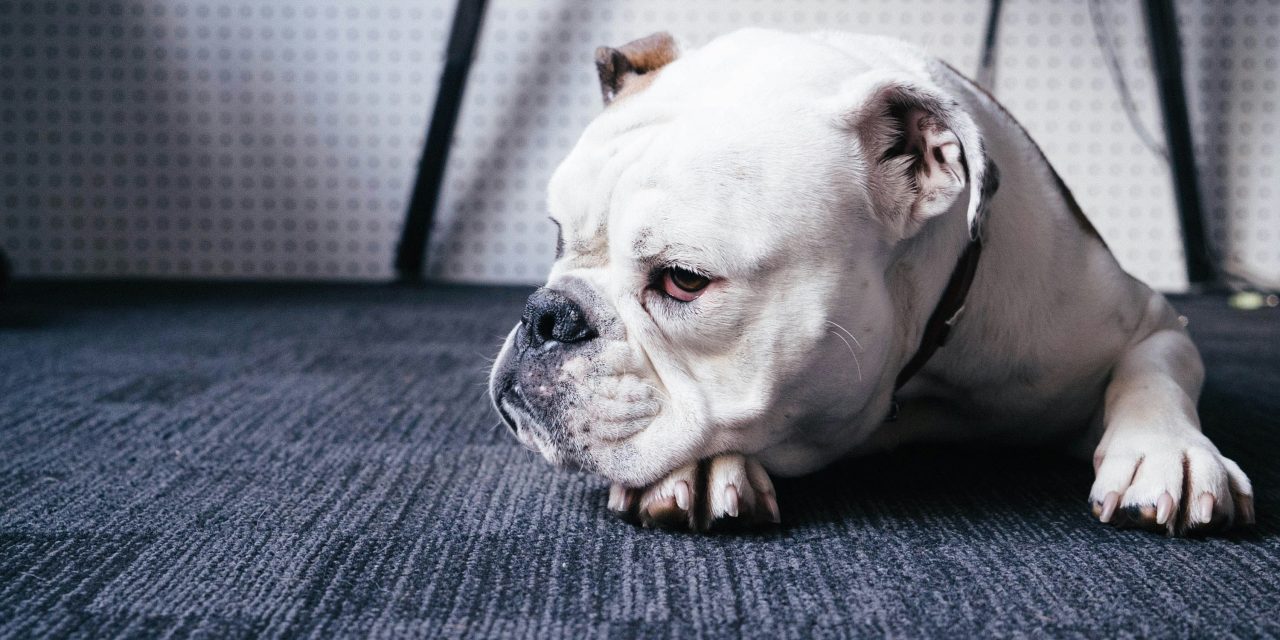
Dog urine can have a profound impact on carpets, both aesthetically and structurally. The uric acid present in canine urine can lead to unsightly stains, unpleasant odors, and even long-term damage to carpet fibers. When left untreated, urine can seep into the carpet padding and subfloor, creating an environment conducive to bacteria and mold growth. This not only poses a risk to the integrity of the flooring but can also lead to health concerns for both pets and humans.
The chemical composition of dog urine varies based on diet, hydration levels, and health status. This variability can affect how urine interacts with different carpet materials. For instance, synthetic fibers may resist staining better than natural fibers, but they can still absorb odors. Understanding these dynamics is crucial for effective cleaning and maintenance strategies. Moreover, the psychological impact on pet owners should not be overlooked; persistent odors and stains can lead to frustration and anxiety, affecting the overall home environment.
Immediate Steps to Take When You Discover Dog Urine
Upon discovering dog urine on your carpet, immediate action is essential to mitigate damage. The first step is to remain calm; panicking can lead to hasty decisions that may worsen the situation. Quickly assess the area to determine the extent of the stain and odor. If the urine is fresh, you have a better chance of removing it completely without permanent damage.
Using a clean cloth or paper towel, gently blot the area to absorb as much liquid as possible. Avoid rubbing, as this can push the urine deeper into the fibers and padding. If the urine has dried, it may require more intensive cleaning methods. Regardless of the situation, prompt attention is key to preventing long-term issues such as lingering odors or discoloration.
Gathering the Right Cleaning Supplies

Equipping yourself with the appropriate cleaning supplies is crucial for effectively addressing dog urine stains. Essential items include absorbent cloths or paper towels, a spray bottle, and a vacuum cleaner with a hose attachment. Additionally, consider investing in enzymatic cleaners specifically designed for pet stains; these products contain natural enzymes that break down uric acid and eliminate odors at their source.
Other useful supplies include white vinegar, baking soda, hydrogen peroxide, and dish soap. Each of these household items has unique properties that can aid in cleaning and deodorizing carpets. For example, vinegar acts as a natural deodorizer while baking soda absorbs moisture and neutralizes odors. Having these materials on hand will prepare you for both immediate and long-term cleaning efforts.
How to Blot and Remove Excess Urine from Carpet

Blotting is a critical technique for removing excess dog urine from carpets effectively. Begin by placing an absorbent cloth or paper towel over the affected area and applying gentle pressure to soak up as much liquid as possible. It is advisable to use a clean section of the cloth or towel frequently to avoid spreading the stain further.
Once you have blotted up the excess urine, it is important to rinse the area with cold water. This helps dilute any remaining urine and prepares the carpet for further cleaning. After rinsing, blot again with a dry cloth to remove excess moisture. This two-step process—blotting followed by rinsing—ensures that you are addressing both the stain and odor effectively.
Using Enzymatic Cleaners to Break Down Urine Stains
Enzymatic cleaners are highly effective in breaking down dog urine stains due to their unique biological properties. These cleaners contain specific enzymes that target uric acid crystals found in pet urine, effectively neutralizing odors and preventing re-soiling. When selecting an enzymatic cleaner, look for products that are specifically formulated for pet stains and are safe for use on carpets.
To use an enzymatic cleaner, first ensure that the affected area is clean and free from excess moisture. Apply the cleaner generously according to the manufacturer’s instructions, allowing it to penetrate deeply into the carpet fibers and padding. It is often recommended to let the cleaner sit for at least 10-15 minutes before blotting it up with a clean cloth. This dwell time allows the enzymes to work effectively, breaking down stubborn stains and odors.
Homemade Remedies for Removing Dog Urine Odor
For those who prefer natural cleaning solutions, several homemade remedies can effectively eliminate dog urine odors from carpets. One popular method involves mixing equal parts white vinegar and water in a spray bottle. Spray this solution onto the affected area and let it sit for about 10 minutes before blotting it up with a clean cloth.
Another effective remedy is a baking soda paste made by mixing baking soda with water until it reaches a thick consistency. Apply this paste directly onto the stain and allow it to dry completely before vacuuming it up. Baking soda not only absorbs moisture but also neutralizes odors, making it an excellent choice for tackling persistent smells.
Deep Cleaning Techniques for Stubborn Urine Spots
In cases where standard cleaning methods fail to remove stubborn urine spots, deep cleaning techniques may be necessary. One effective approach is steam cleaning, which utilizes high-temperature steam to penetrate carpet fibers and break down stains and odors. Many rental stores offer steam cleaners specifically designed for home use.
Before steam cleaning, ensure that you have thoroughly blotted up any excess moisture from the stain. Follow the manufacturer’s instructions for your steam cleaner, using an appropriate cleaning solution designed for pet stains if necessary. After steam cleaning, allow the carpet to dry completely before allowing pets or people back into the area.
Preventing Urine from Soaking into Carpet Padding
Preventing dog urine from soaking into carpet padding is crucial for maintaining both cleanliness and hygiene in your home. One effective strategy is to use waterproof carpet pads or liners beneath your carpets; these products act as barriers against liquid penetration.
Additionally, training your dog to relieve themselves outside consistently can significantly reduce accidents indoors. Positive reinforcement techniques can be employed to encourage desired behaviors during potty training sessions. Regularly scheduled bathroom breaks can also help prevent accidents caused by excitement or anxiety.
Tips for Neutralizing and Eliminating Odor Completely
To neutralize and eliminate odors completely from carpets affected by dog urine, consider using a combination of cleaning methods. After treating the stain with enzymatic cleaners or homemade remedies, sprinkle baking soda over the area once it has dried completely. Baking soda will absorb any lingering odors over time.
Leave the baking soda on the carpet for at least 24 hours before vacuuming it up thoroughly. For persistent odors that remain after initial treatments, consider repeating the cleaning process or using an ozone generator designed for odor removal in enclosed spaces.
When to Call Professional Carpet Cleaners
While many pet owners can manage minor accidents with DIY methods, there are instances when professional carpet cleaners should be consulted. If you notice persistent odors despite thorough cleaning efforts or if multiple areas of your carpet have been affected by urine stains, professional intervention may be necessary.
Professional cleaners possess specialized equipment and expertise that can effectively address deep-set stains and odors that household methods may not resolve. Additionally, they can provide advice on maintaining your carpets in a pet-friendly manner moving forward.
Preventative Measures to Avoid Future Accidents
Preventing future accidents requires a multifaceted approach that includes training, environmental management, and regular maintenance. Consistent potty training practices are essential; rewarding your dog for relieving themselves outside reinforces positive behavior.
Creating a designated potty area outdoors can also help establish routine bathroom habits for your pet. Additionally, consider using pet-friendly deterrents in areas where accidents frequently occur; these products can discourage pets from returning to those spots.
Regularly inspecting your carpets for signs of wear or damage will allow you to address potential issues before they escalate into larger problems. By combining training with proactive measures, you can create a harmonious living environment free from unwanted accidents.
In summary, addressing dog urine stains on carpets requires immediate action combined with effective cleaning techniques tailored to your specific situation. Utilizing enzymatic cleaners, homemade remedies, and deep cleaning methods can significantly improve outcomes while preventing future incidents through proper training and environmental management strategies will ensure a cleaner home environment for both pets and their owners alike.