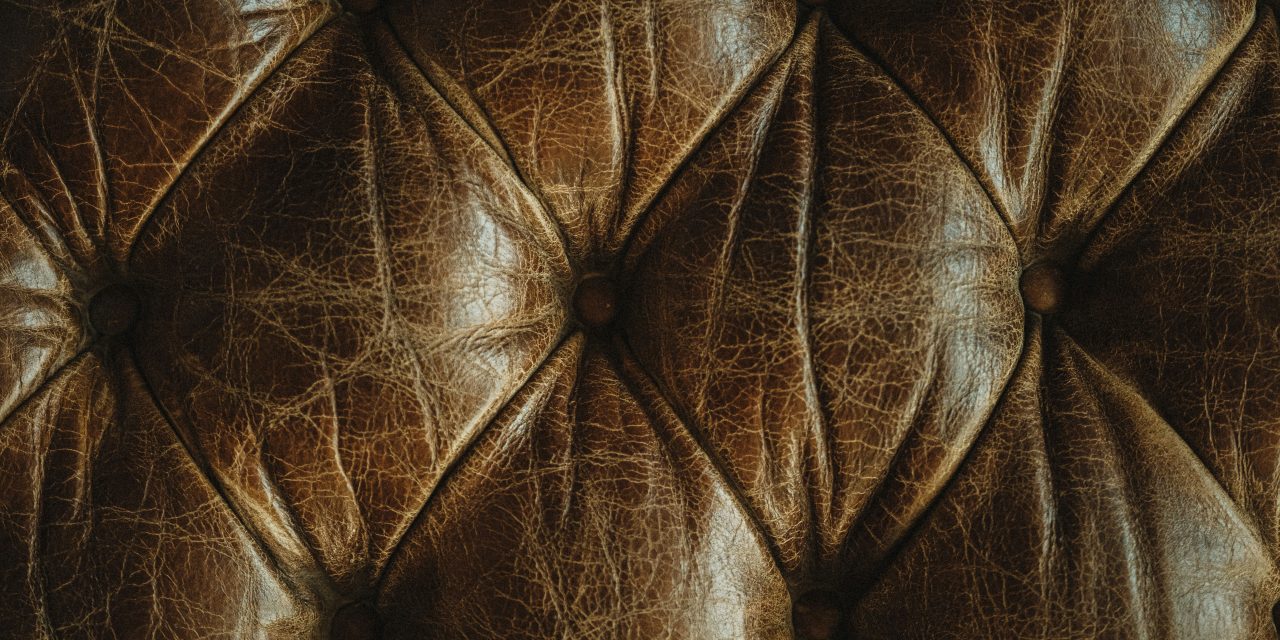
Leather is a luxurious material that adds elegance and comfort to any living space, particularly in the form of couches. However, not all leather is created equal; it comes in various finishes that significantly affect its appearance, durability, and maintenance requirements. The primary types of leather finishes include aniline, semi-aniline, pigmented, and nubuck.
Aniline leather is dyed with soluble dyes and retains the natural grain and texture of the hide. This type is known for its softness and breathability but is also more susceptible to stains and fading. Semi-aniline leather undergoes a similar dyeing process but includes a light protective coating, making it more resistant to wear and tear while still maintaining some natural characteristics. Pigmented leather, on the other hand, is coated with a polymer layer that provides a uniform color and enhanced durability, making it easier to clean but less breathable. Nubuck leather, which is sanded to create a soft, velvety surface, requires special care due to its susceptibility to staining and damage.
Understanding these finishes is crucial for proper cleaning and maintenance. Each type has unique properties that dictate the appropriate cleaning methods and products. For instance, using a harsh cleaner on aniline leather can lead to irreversible damage, while pigmented leather may withstand more aggressive cleaning techniques. Therefore, identifying the specific finish of your leather couch is the first step in ensuring its longevity and aesthetic appeal.
Gathering the Right Cleaning Supplies
Before embarking on the cleaning journey of your leather couch, it is essential to gather the appropriate supplies. The right tools can make a significant difference in achieving a clean and well-maintained surface without causing damage. Start by collecting a soft microfiber cloth or sponge, which will be gentle on the leather while effectively lifting dirt and grime.
Next, consider a pH-balanced leather cleaner specifically formulated for your couch’s finish type. Avoid using general household cleaners, as they may contain harsh chemicals that can strip away protective coatings or discolor the leather. Additionally, having a leather conditioner on hand is vital for maintaining suppleness after cleaning. This product replenishes oils lost during the cleaning process and helps prevent cracking or drying out.
Lastly, ensure you have access to distilled water for diluting cleaners if necessary. Tap water can contain minerals that may leave residue or cause discoloration on leather surfaces. By assembling these supplies beforehand, you set yourself up for a successful cleaning experience that preserves the integrity of your leather couch.
Preparing Your Leather Couch for Cleaning

Preparation is key when it comes to cleaning your leather couch effectively. Begin by removing any loose items such as cushions, throws, or decorative pillows that may obstruct your cleaning efforts. This step not only clears the area but also allows you to access all surfaces of the couch.
Next, vacuum the couch using a soft brush attachment to eliminate dust, crumbs, and debris that may have accumulated in crevices or along seams. This process is crucial as it prevents dirt from being ground into the leather during the cleaning process. Pay special attention to areas where dirt tends to accumulate, such as armrests and seat cushions.
Once you have vacuumed thoroughly, inspect the couch for any stains or spots that may require special attention. Identifying these areas beforehand allows you to tailor your cleaning approach accordingly. By taking these preparatory steps, you ensure that your cleaning process is efficient and effective, ultimately leading to a refreshed and revitalized leather couch.
Testing Cleaning Products on a Hidden Area

Before applying any cleaning solution to your leather couch, it is imperative to conduct a patch test on an inconspicuous area. This precautionary measure helps determine whether the cleaner will adversely affect the leather’s color or texture. Choose a hidden spot, such as underneath a cushion or on the back of the couch where it is less visible.
Apply a small amount of the cleaner using a soft cloth or sponge and gently rub it into the leather. Allow it to sit for a few minutes before wiping it away with a clean cloth. Afterward, examine the test area for any discoloration or adverse reactions. If there are no negative effects after 24 hours, you can proceed with confidence in using the product on the rest of the couch.
This testing phase is crucial because different types of leather finishes react differently to various cleaning agents. By taking this extra step, you safeguard your investment in your leather furniture and ensure that your cleaning efforts yield positive results without compromising the material’s integrity.
Using a Gentle Cleaning Solution Safely
When it comes to cleaning leather couches, opting for a gentle solution is paramount. Harsh chemicals can strip away natural oils and protective coatings, leading to dryness and cracking over time. A pH-balanced leather cleaner is ideal as it effectively removes dirt without compromising the material’s integrity.
To use the cleaner safely, dilute it according to the manufacturer’s instructions if necessary. Apply a small amount of the solution onto your microfiber cloth rather than directly onto the leather surface. This method prevents over-saturation and minimizes the risk of water damage. Gently wipe down the couch in circular motions, focusing on areas with visible stains or dirt buildup.
It’s essential to avoid soaking the cloth; instead, keep it slightly damp to ensure effective cleaning without over-wetting the leather. By adhering to these guidelines, you can maintain your couch’s appearance while prolonging its lifespan through careful and considerate cleaning practices.
Applying the Cleaner Without Over-Wetting
One of the most critical aspects of cleaning leather couches is ensuring that you do not over-wet the material during the process. Excess moisture can lead to irreversible damage such as warping or mold growth if not addressed promptly. To avoid this issue, always use a damp cloth rather than soaking it in cleaner or water.
When applying your chosen cleaner, start with a small amount on your cloth and gradually increase as needed. Focus on one section at a time to maintain control over moisture levels. Gently rub the cleaner into the leather using circular motions; this technique helps lift dirt without saturating the surface.
After applying the cleaner, immediately follow up with a dry microfiber cloth to absorb any excess moisture left on the surface. This step is crucial in preventing water from seeping into seams or cracks where it could cause damage over time. By being mindful of moisture levels during cleaning, you can effectively maintain your leather couch’s beauty and functionality.
Wiping Down the Couch with a Soft Cloth
Once you have applied your gentle cleaning solution, it’s time to wipe down your leather couch with a soft cloth. Using a microfiber cloth is highly recommended due to its non-abrasive properties that prevent scratching while effectively trapping dirt and dust particles.
Begin by working in small sections to ensure thorough cleaning without overwhelming yourself or risking damage from excess moisture. Use gentle pressure as you wipe down each area; this approach allows you to lift dirt without pushing it deeper into the leather fibers. Pay special attention to seams and crevices where grime tends to accumulate.
After completing one section, inspect it for any remaining spots or stains before moving on to another area. If necessary, repeat the cleaning process on stubborn spots until they are adequately addressed. By taking your time during this step, you ensure that every inch of your couch receives proper care and attention.
Avoiding Harsh Chemicals and Abrasives
When caring for your leather couch, avoiding harsh chemicals and abrasive materials is essential for preserving its quality and appearance. Many household cleaners contain solvents or alcohol that can strip away natural oils from leather surfaces, leading to dryness and cracking over time.
Instead of reaching for these potentially damaging products, opt for specialized leather cleaners designed specifically for your couch’s finish type. These formulations are typically pH-balanced and free from harsh additives that could harm your furniture.
Additionally, steer clear of abrasive scrubbers or rough sponges when cleaning your couch. These materials can scratch or scuff the surface of the leather, diminishing its aesthetic appeal. Always choose soft microfiber cloths or sponges that are gentle yet effective in lifting dirt without causing damage.
By prioritizing gentle cleaning methods and avoiding harmful substances, you can maintain your leather couch’s beauty while extending its lifespan significantly.
Drying Techniques That Protect the Leather Finish
Proper drying techniques are crucial after cleaning your leather couch to protect its finish and prevent damage from excess moisture. After wiping down the surface with a damp cloth, use a dry microfiber cloth to absorb any remaining moisture gently.
Avoid using heat sources such as hair dryers or radiators to speed up drying time; excessive heat can cause leather to crack or warp over time. Instead, allow your couch to air dry naturally in a well-ventilated area away from direct sunlight or heat sources that could cause fading.
If possible, open windows or use fans to promote airflow around the couch during drying. This method helps moisture evaporate more quickly while minimizing risks associated with prolonged dampness. By employing these drying techniques, you ensure that your leather couch remains in optimal condition after each cleaning session.
Conditioning the Leather to Maintain Softness
After thoroughly cleaning your leather couch, conditioning is an essential step that should not be overlooked. Leather can lose its natural oils over time due to exposure to air and environmental factors; conditioning replenishes these oils and helps maintain softness while preventing cracking.
Choose a high-quality leather conditioner specifically formulated for your couch’s finish type. Apply a small amount onto a clean microfiber cloth and gently rub it into the surface using circular motions—this technique ensures even distribution without over-saturating any areas.
Allow the conditioner to absorb into the leather for several minutes before buffing off any excess with another clean cloth. Regular conditioning every six months will help keep your couch looking fresh while extending its lifespan significantly by preventing dryness and deterioration.
Regular Maintenance Tips to Prevent Damage
Preventative maintenance is key when it comes to preserving your leather couch’s beauty and functionality over time. Establishing a regular cleaning routine will help minimize dirt buildup while keeping surfaces looking pristine.
Dusting your couch weekly with a soft microfiber cloth will prevent particles from settling into crevices where they can cause scratches during regular use. Additionally, consider using coasters under drinks and placing protective covers on cushions when not in use—these simple measures can significantly reduce wear and tear.
Avoid exposing your leather couch to direct sunlight for prolonged periods; UV rays can fade colors and dry out materials over time. If possible, rearrange furniture or use window treatments to shield your couch from harsh sunlight exposure.
By implementing these regular maintenance tips alongside proper cleaning techniques outlined earlier in this article, you can ensure that your leather couch remains an elegant centerpiece in your home for years to come.
In summary, maintaining a leather couch requires understanding its finish type and gathering appropriate supplies before embarking on cleaning efforts. Proper preparation involves vacuuming and inspecting for stains while testing products on hidden areas ensures safety during application. Gentle solutions should be used without over-wetting surfaces; wiping down with soft cloths prevents scratches while avoiding harsh chemicals protects integrity. Drying techniques must prioritize air circulation over heat sources while conditioning replenishes lost oils effectively—regular maintenance practices further enhance longevity by preventing damage from occurring in the first place.