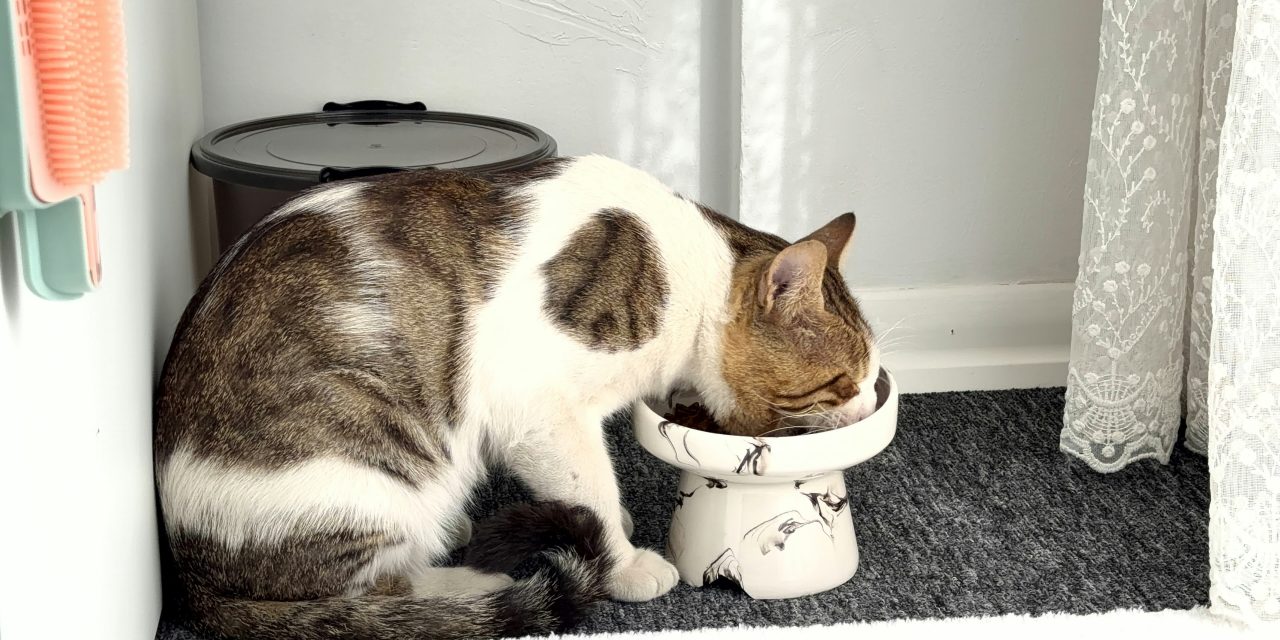
Cats are obligate carnivores, meaning their diet must primarily consist of animal-based proteins to meet their physiological requirements. Unlike omnivores, felines have evolved to thrive on a diet rich in meat, which provides essential amino acids such as taurine, arginine, and methionine. These amino acids play critical roles in various bodily functions, including heart health, vision, and immune response. Additionally, cats require specific vitamins and minerals, including vitamin A, niacin, and arachidonic acid, which are predominantly found in animal tissues.
Understanding the nutritional needs of your feline companion is crucial for maintaining optimal health. A balanced diet should include a proper ratio of proteins, fats, and carbohydrates. Proteins should constitute approximately 30-40% of their diet, while fats should account for about 20-30%. Carbohydrates should be limited to around 5-10%, as excessive carbohydrate intake can lead to obesity and other metabolic disorders. Furthermore, it is essential to consider the life stage of your cat—kittens require higher protein levels for growth, while senior cats may benefit from diets formulated to support aging bodies.
Choosing High-Quality Cat Food
Selecting high-quality cat food is paramount for ensuring your pet receives the necessary nutrients. When evaluating commercial cat food options, it is essential to scrutinize the ingredient list. Look for products that list a specific meat source as the first ingredient, such as chicken, turkey, or fish. Avoid foods that contain vague terms like “meat by-products” or “animal digest,” as these can indicate lower-quality ingredients.
Moreover, consider the presence of essential nutrients in the formulation. High-quality cat foods often include added vitamins and minerals to support overall health. Look for products that contain omega-3 and omega-6 fatty acids, which promote healthy skin and coat. Additionally, some brands offer specialized formulas tailored to specific health concerns, such as urinary tract health or weight management. Always consult with your veterinarian to determine the best food options based on your cat’s individual needs.
Establishing a Consistent Feeding Schedule

Establishing a consistent feeding schedule is vital for maintaining your cat’s health and well-being. Cats thrive on routine, and regular feeding times can help regulate their metabolism and prevent overeating. Most adult cats benefit from being fed twice a day—once in the morning and once in the evening—while kittens may require more frequent meals due to their higher energy needs.
When creating a feeding schedule, consider your cat’s lifestyle and activity level. If your feline friend is more active during certain times of the day, adjust feeding times accordingly to align with their natural behavior. Additionally, avoid free-feeding, where food is left out all day, as this can lead to obesity and other health issues. Instead, measure out portions based on your cat’s weight and dietary requirements to ensure they receive the appropriate amount of food.
Measuring Portions to Prevent Overfeeding

Overfeeding is a common issue among pet owners and can lead to obesity and related health problems in cats. To prevent this, it is crucial to measure portions accurately based on your cat’s weight, age, and activity level. Most commercial cat food packaging provides feeding guidelines that can serve as a starting point; however, individual needs may vary.
Using a kitchen scale or measuring cups can help ensure precise portion sizes. For example, an average adult cat weighing around 10 pounds may require approximately 1/2 to 3/4 cup of dry food daily, depending on its caloric density. Regularly monitor your cat’s weight and adjust portions accordingly if you notice any changes. If your cat is gaining weight, consider reducing portion sizes or switching to a weight management formula.
Providing Fresh Water at All Times
Hydration is an often-overlooked aspect of feline nutrition. Cats have a low thirst drive compared to other animals; therefore, it is essential to provide fresh water at all times to encourage adequate fluid intake. Dehydration can lead to serious health issues such as urinary tract infections and kidney disease.
To promote hydration, consider using a pet water fountain. Many cats prefer running water over stagnant water in a bowl, as it mimics their natural instinct to seek fresh sources of hydration. Ensure that you clean the water bowl or fountain regularly to prevent bacterial growth and maintain water quality. Additionally, incorporating wet food into your cat’s diet can help increase their overall moisture intake.
Avoiding Harmful Human Foods
While it may be tempting to share your meals with your feline companion, many human foods can be harmful or toxic to cats. Common foods that should be avoided include chocolate, onions, garlic, grapes, raisins, alcohol, caffeine, and certain artificial sweeteners like xylitol. These substances can cause various health issues ranging from gastrointestinal upset to severe organ damage.
Educating yourself about safe versus unsafe foods is crucial for preventing accidental poisoning. If you suspect your cat has ingested something harmful, contact your veterinarian immediately for guidance. Instead of sharing human food, consider offering healthy treats specifically formulated for cats that provide nutritional benefits without compromising their health.
Monitoring Your Cat’s Weight and Health
Regular monitoring of your cat’s weight and overall health is essential for early detection of potential issues. Obesity is a significant concern in feline populations and can lead to various health complications such as diabetes mellitus, arthritis, and cardiovascular disease. Weigh your cat regularly—ideally every month—and keep track of any changes in weight.
In addition to weight monitoring, observe your cat’s behavior and physical condition closely. Changes in appetite, energy levels, grooming habits, or litter box usage can indicate underlying health problems that require veterinary attention. Regular veterinary check-ups are also crucial for preventive care and early intervention if any issues arise.
Introducing New Foods Gradually
When transitioning your cat to a new food or diet plan, it is essential to do so gradually to avoid gastrointestinal upset. Sudden changes in diet can lead to vomiting or diarrhea due to the cat’s sensitive digestive system. A gradual transition typically takes about 7-10 days.
Start by mixing a small amount of the new food with the current food—approximately 25% new food and 75% old food for the first few days. Gradually increase the proportion of new food while decreasing the old food until you achieve a complete transition. This method allows your cat’s digestive system to adjust smoothly while minimizing discomfort.
Recognizing and Managing Food Allergies
Food allergies can manifest in various ways in cats, including skin irritations, gastrointestinal upset, or respiratory issues. Common allergens include beef, dairy products, fish, chicken, wheat, and soy. If you suspect your cat has a food allergy, consult with your veterinarian for proper diagnosis and management.
Your veterinarian may recommend an elimination diet trial where specific ingredients are removed from your cat’s diet for several weeks before gradually reintroducing them one at a time. This process helps identify the offending allergen while ensuring your cat receives adequate nutrition during the trial period. Once identified, avoiding the allergen will be crucial for managing symptoms effectively.
Using Feeding Toys to Encourage Activity
Incorporating feeding toys into your cat’s routine can promote physical activity while providing mental stimulation during mealtime. These interactive toys dispense food or treats as your cat plays with them, encouraging natural hunting behaviors and preventing boredom.
Feeding toys come in various shapes and sizes; some are designed for dry kibble while others accommodate wet food or treats. By engaging your cat in play during feeding time, you can help combat obesity while enhancing their overall well-being. Additionally, these toys can provide enrichment for indoor cats who may lack opportunities for physical activity.
Consulting Your Veterinarian for Personalized Advice
Every cat is unique; therefore, consulting with a veterinarian is essential for personalized dietary recommendations tailored to your pet’s specific needs. Your veterinarian can assess factors such as age, weight, activity level, and any underlying health conditions when providing dietary guidance.
Regular veterinary visits also allow for monitoring changes in health status over time and adjusting dietary plans accordingly. Whether you have questions about specific food brands or concerns about weight management strategies, your veterinarian is an invaluable resource for ensuring your cat remains healthy and happy throughout its life.
In summary, understanding your cat’s nutritional needs is fundamental for promoting optimal health and longevity. By choosing high-quality food, establishing consistent feeding schedules, measuring portions accurately, providing fresh water at all times, avoiding harmful human foods, monitoring weight and health regularly, introducing new foods gradually, recognizing food allergies promptly, utilizing feeding toys for activity encouragement, and consulting with veterinarians for personalized advice—pet owners can significantly enhance their feline companions’ quality of life while preventing potential health issues associated with poor nutrition practices.
FAQs
What is the best type of food to feed my cat?
The best type of food for your cat depends on their age, health, and dietary needs. Generally, high-quality commercial cat food that meets the AAFCO (Association of American Feed Control Officials) standards is recommended. Look for options that contain real meat as the primary ingredient and avoid those with excessive fillers or artificial additives.
How often should I feed my cat?
Most adult cats should be fed twice a day, while kittens may require three to four meals daily due to their higher energy needs. It’s important to establish a consistent feeding schedule to help regulate their appetite and digestion.
Can I feed my cat homemade food?
Yes, you can feed your cat homemade food, but it is crucial to ensure that it is nutritionally balanced. Cats require specific nutrients, such as taurine, which may not be present in all homemade diets. Consulting with a veterinarian or a pet nutritionist is recommended before making any significant changes to your cat’s diet.
How much food should I give my cat?
The amount of food to give your cat depends on their weight, age, and activity level. Generally, adult cats require about 20 calories per pound of body weight per day. Always refer to the feeding guidelines on the cat food packaging and adjust based on your cat’s individual needs and body condition.
Is it safe to give my cat treats?
Yes, it is safe to give your cat treats, but they should only make up a small portion of their overall diet—typically no more than 10% of their daily caloric intake. Choose healthy, cat-specific treats and avoid human foods that can be toxic to cats, such as chocolate, onions, and garlic.