Socialization is a critical aspect of a cat’s development, influencing their behavior and interactions with both humans and other animals. Improved socialization skills can lead to a more well-adjusted feline companion, reducing the likelihood of behavioral issues such as aggression or fearfulness. Engaging in structured socialization activities, such as playdates with other cats or supervised interactions with friendly dogs, can significantly enhance a cat’s ability to navigate social situations. This exposure helps them learn appropriate behaviors, such as how to communicate effectively through body language and vocalizations.
Moreover, socialization fosters confidence in cats, allowing them to explore their environment without fear. Cats that are well-socialized are more likely to exhibit curiosity and playfulness, which are essential traits for a healthy and happy life. Regular interaction with various stimuli—such as different people, sounds, and environments—can help mitigate anxiety and promote adaptability. This is particularly important for kittens, as early experiences can shape their future behavior and temperament.
Regular Exercise and Physical Activity
Regular exercise is vital for maintaining a cat’s physical health and mental well-being. Engaging in physical activity helps prevent obesity, which is a growing concern among domestic cats. Obesity can lead to numerous health issues, including diabetes mellitus, arthritis, and cardiovascular diseases. To combat this, pet owners should incorporate interactive play sessions into their daily routines. Activities such as chasing feather toys or laser pointers stimulate a cat’s natural hunting instincts while providing essential cardiovascular benefits.
In addition to weight management, regular exercise contributes to improved muscle tone and joint flexibility. Cats that engage in physical activity are less likely to experience mobility issues as they age. Furthermore, exercise serves as an outlet for pent-up energy, reducing the likelihood of destructive behaviors stemming from boredom or frustration. By establishing a routine that includes both structured playtime and opportunities for independent exploration, pet owners can ensure their feline companions remain active and healthy.
Mental Stimulation and Enrichment
Mental stimulation is just as crucial as physical exercise for a cat’s overall well-being. Cats are intelligent creatures that require cognitive challenges to thrive. Providing enrichment through puzzle feeders, interactive toys, and training exercises can significantly enhance a cat’s mental acuity. These activities encourage problem-solving skills and keep their minds engaged, preventing boredom-related behaviors such as excessive meowing or scratching furniture.
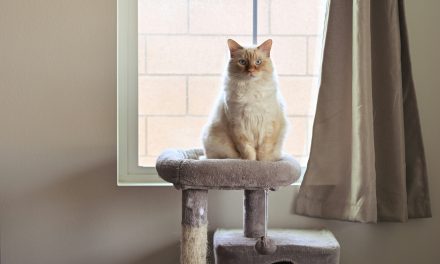
Moreover, environmental enrichment plays a vital role in a cat’s happiness. Creating a stimulating environment with climbing structures, scratching posts, and hiding spots allows cats to explore their surroundings and engage in natural behaviors. Incorporating elements such as bird feeders outside windows can also provide visual stimulation, keeping cats entertained for hours. By prioritizing mental enrichment alongside physical activity, pet owners can create a holistic approach to their cat’s care that promotes both mental and emotional health.
Reduced Separation Anxiety
Separation anxiety is a common issue among cats, often manifesting as destructive behavior or excessive vocalization when left alone. Addressing this concern requires a multifaceted approach that includes gradual desensitization and positive reinforcement techniques. One effective strategy is to create a safe space for the cat that includes their favorite toys, bedding, and access to windows for observation. This sanctuary can help them feel secure during periods of solitude.
Additionally, providing engaging toys or interactive feeders can keep cats occupied while their owners are away. These distractions not only alleviate boredom but also reduce anxiety by redirecting their focus onto enjoyable activities. For more severe cases of separation anxiety, consulting with a veterinarian or animal behaviorist may be necessary to explore behavioral modification techniques or medication options.
Professional Supervision and Care
Professional supervision is essential for ensuring the safety and well-being of cats, particularly in multi-pet households or during playdates with unfamiliar animals. Trained professionals can assess the dynamics between pets and intervene if necessary to prevent conflicts or stress. This oversight is especially beneficial for kittens or shy cats that may require additional support during social interactions.
Moreover, professional caregivers can provide valuable insights into a cat’s behavior and health needs. Regular check-ups with veterinarians ensure that any underlying medical conditions are addressed promptly. Additionally, professional groomers can assist in maintaining a cat’s hygiene while providing an opportunity for socialization in a controlled environment. By investing in professional care, pet owners can enhance their cat’s quality of life while ensuring their safety.
Safe Environment for Play and Exploration
Creating a safe environment for play and exploration is paramount for a cat’s physical and emotional health. Cats are naturally curious creatures that thrive on exploration; however, an unsafe environment can lead to accidents or injuries. Pet owners should assess their homes for potential hazards such as toxic plants, small objects that could be swallowed, or areas where cats could become trapped.
In addition to removing hazards, providing designated play areas equipped with safe toys and climbing structures encourages healthy exploration. Cat trees, tunnels, and scratching posts not only stimulate physical activity but also provide mental engagement as cats navigate their surroundings. By fostering an environment conducive to safe exploration, pet owners can promote their cats’ natural instincts while minimizing risks.
Prevention of Destructive Behaviors
Destructive behaviors in cats often stem from boredom, anxiety, or lack of stimulation. To prevent these issues from arising, it is crucial to provide ample opportunities for physical activity and mental engagement. Interactive toys that dispense treats or require problem-solving skills can keep cats entertained while satisfying their natural instincts.
Additionally, establishing a consistent routine helps cats feel secure and reduces anxiety-related behaviors. Regular feeding times, play sessions, and quiet periods contribute to a sense of stability in their lives. If destructive behaviors persist despite these efforts, consulting with a veterinarian or animal behaviorist may be necessary to identify underlying issues and develop tailored solutions.
Opportunities for Grooming and Hygiene
Regular grooming is essential for maintaining a cat’s hygiene and overall health. Cats are known for their grooming habits; however, they may require assistance from their owners to manage shedding and prevent matting—especially in long-haired breeds. Establishing a grooming routine that includes brushing sessions not only promotes cleanliness but also strengthens the bond between pet owner and cat.
Moreover, grooming provides an opportunity to monitor a cat’s skin condition and detect any abnormalities early on. Regular checks for parasites such as fleas or ticks are crucial for preventing infestations that could lead to health complications. By prioritizing grooming as part of a cat’s care regimen, pet owners can ensure their feline companions remain healthy and comfortable.
Enhanced Immune System Through Controlled Interaction
Controlled interactions with other animals can enhance a cat’s immune system by exposing them to various pathogens in a safe manner. This exposure helps build immunity over time, reducing the likelihood of illness when encountering new environments or animals outside the home. Socializing with vaccinated pets under supervision allows cats to develop resilience against common diseases while minimizing the risk of transmission.
Furthermore, regular veterinary check-ups ensure that vaccinations are up-to-date and that any potential health concerns are addressed promptly. A robust immune system is vital for overall health; therefore, fostering controlled interactions is an essential component of preventive care for cats.
Convenient Scheduling for Busy Pet Owners
For busy pet owners, finding time to dedicate to their feline companions can be challenging. However, establishing a convenient schedule that incorporates playtime, grooming sessions, and veterinary visits is crucial for maintaining a cat’s well-being. Utilizing technology such as automated feeders or interactive toys can help bridge the gap when owners are unavailable.
Additionally, considering professional pet care services—such as pet sitters or daycare facilities—can provide peace of mind while ensuring that cats receive the attention they need during busy periods. By prioritizing scheduling and utilizing available resources effectively, pet owners can maintain a fulfilling relationship with their cats despite their hectic lifestyles.
Building Stronger Human-Cat Bonds Through Reduced Stress
Reducing stress in both cats and their owners is essential for fostering strong bonds between them. Stressful situations can lead to behavioral issues that strain relationships; therefore, creating a calm environment is paramount. Techniques such as providing safe spaces for retreat during stressful events—like loud noises or unfamiliar visitors—can help alleviate anxiety.
Moreover, engaging in interactive play sessions not only provides physical exercise but also strengthens the emotional connection between pet owner and cat. Positive reinforcement training techniques further enhance this bond by promoting trust and communication. By prioritizing stress reduction strategies, pet owners can cultivate deeper relationships with their feline companions.
In summary, enhancing the quality of life for cats involves addressing various aspects of their care—from socialization skills to physical activity and mental stimulation. By creating safe environments for exploration and providing opportunities for grooming and hygiene maintenance, pet owners can prevent destructive behaviors while promoting overall health. Professional supervision ensures safety during interactions with other animals, while convenient scheduling accommodates busy lifestyles without compromising care quality. Ultimately, fostering strong human-cat bonds through reduced stress leads to happier pets and more fulfilling relationships for both parties involved.
FAQs
What services are typically offered at a cat daycare?
Cat daycare facilities usually provide a range of services including supervised playtime, socialization with other cats, feeding, grooming, and sometimes even training sessions. Many facilities also offer cozy resting areas and enrichment activities to keep cats engaged throughout the day.
How do I choose the right cat daycare for my pet?
When selecting a cat daycare, consider factors such as the facility’s cleanliness, staff qualifications, safety measures, and the overall environment. It’s also beneficial to read reviews, visit the facility in person, and ask about their policies on health and behavior management.
What should I bring when dropping off my cat at daycare?
Typically, you should bring your cat’s food, any necessary medications, and a familiar item like a blanket or toy to help them feel comfortable. It’s also important to provide updated vaccination records and any specific instructions regarding your cat’s care.
Are there any health requirements for cats attending daycare?
Yes, most cat daycare facilities require that all cats be up-to-date on vaccinations, including rabies and feline distemper. Some facilities may also require a negative test for feline leukemia and feline immunodeficiency virus. It’s essential to check the specific health requirements of the daycare you choose.
What is the typical cost of cat daycare services?
The cost of cat daycare can vary widely depending on location, services offered, and the duration of stay. On average, you can expect to pay anywhere from $15 to $50 per day. Some facilities may offer discounts for longer stays or package deals.