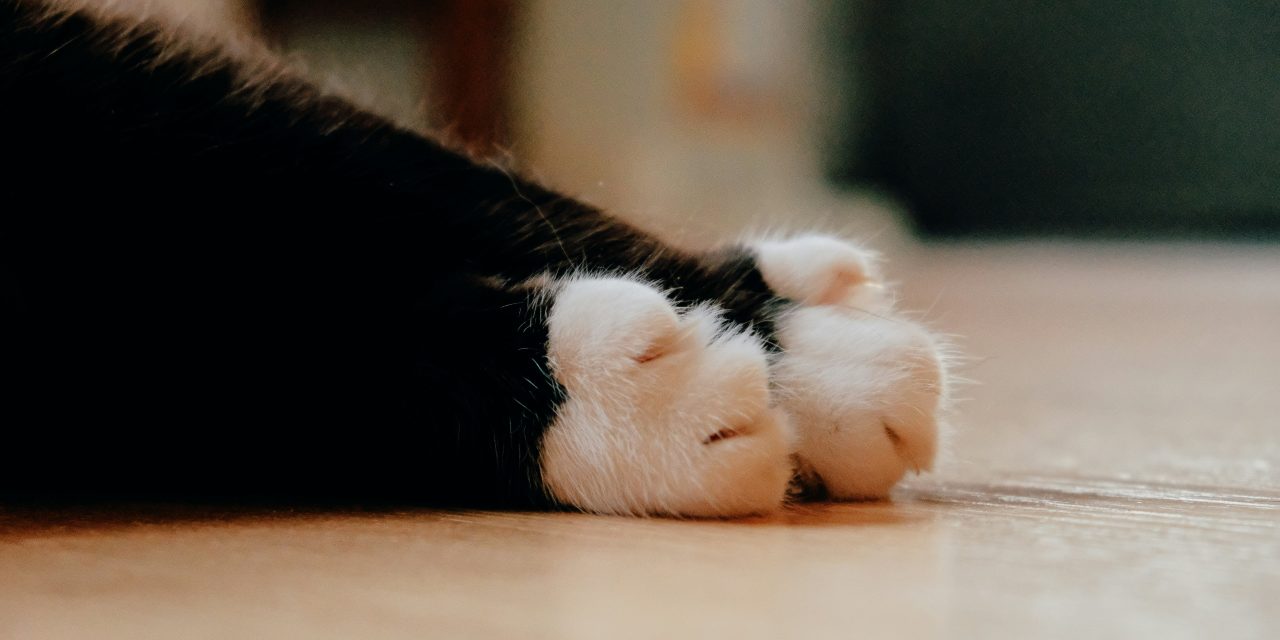
Kneading is a quintessential feline behavior that captivates cat owners and animal behaviorists alike. This rhythmic motion, often described as “making biscuits,” involves a cat pushing its paws alternately against a soft surface, such as a blanket, couch, or even a human lap. While this behavior may appear whimsical, it is deeply rooted in a cat’s instinctual repertoire. Kneading can be observed in cats of all ages and breeds, and it often elicits feelings of warmth and affection from their human companions.
The act of kneading can be characterized by a series of repetitive motions, where the cat extends and retracts its claws while applying pressure to the surface beneath. This behavior can last for several minutes or even longer, depending on the individual cat’s temperament and mood. Understanding the underlying motivations for this behavior can enhance the bond between cats and their owners, providing insights into their emotional states and needs.
The Origins of Kneading Behavior in Cats
The origins of kneading behavior can be traced back to the evolutionary history of felines. This instinctual action is believed to have developed as a means for kittens to stimulate their mother’s milk flow during nursing. The kneading motion mimics the action of a kitten’s paws pressing against the mother’s abdomen, encouraging milk production and ensuring adequate nourishment. As such, this behavior is often associated with comfort and security during the early stages of a cat’s life.
As cats mature, kneading may evolve into a comforting ritual that transcends its original purpose. Adult cats may knead as a way to self-soothe or express contentment in their environment. This behavior can also serve as a form of territorial marking, as cats possess scent glands in their paws that release pheromones when they knead. Thus, kneading can be seen as both an instinctual remnant of kittenhood and a complex behavior that serves multiple functions in adult cats.
How Kneading Relates to Kittenhood and Nursing

Kneading is intrinsically linked to the early experiences of kittens during nursing. When kittens are born, they rely entirely on their mother’s milk for sustenance. The act of kneading not only stimulates milk flow but also fosters a sense of security and bonding between the mother and her offspring. This tactile interaction is crucial for the development of social behaviors and emotional attachments in young cats.
As kittens grow and transition to solid food, the kneading behavior often persists into adulthood. Adult cats may engage in kneading as a nostalgic reminder of their nurturing experiences with their mothers. This connection to their formative years reinforces the notion that kneading is not merely a learned behavior but rather an innate response rooted in their biology. The comfort derived from this action can evoke feelings of safety and familiarity, making it an essential aspect of feline behavior.
The Comfort and Security Aspect of Kneading

Kneading serves as a powerful mechanism for cats to establish comfort and security in their surroundings. When a cat kneads, it often enters a state of relaxation, indicating that it feels safe and content in its environment. This behavior can be particularly pronounced when cats are in familiar settings or when they are close to their human companions. The rhythmic motion of kneading can have a calming effect on both the cat and its owner, creating a shared moment of tranquility.
In addition to promoting relaxation, kneading can also be a self-soothing technique for cats experiencing stress or anxiety. The repetitive nature of this behavior can help alleviate tension and provide emotional relief. For instance, during times of change—such as moving to a new home or introducing a new pet—cats may engage in increased kneading as they seek comfort in familiar actions. Recognizing this aspect of kneading can help owners provide appropriate support during stressful periods.
Kneading as a Sign of Affection and Bonding
Kneading is often interpreted as an expression of affection from cats toward their human companions or other animals in their environment. When a cat kneads on its owner’s lap or beside them, it signifies trust and emotional connection. This behavior is akin to a cat’s way of saying, “I feel safe with you.” The act of kneading can strengthen the bond between cats and their owners, fostering mutual affection and companionship.
Moreover, kneading can also serve as a form of social interaction among cats. When one cat kneads another, it may indicate a desire for closeness or playfulness. This behavior can enhance social bonds within multi-cat households, promoting harmony and reducing territorial disputes. Understanding the social implications of kneading can help owners appreciate the depth of their cat’s emotional landscape.
Why Cats Knead Soft Surfaces (Including You)
Cats are naturally drawn to soft surfaces for kneading due to their instinctual preference for comfort and security. Soft materials mimic the nurturing environment experienced during kittenhood when they would knead against their mother’s belly while nursing. Consequently, cats often choose blankets, pillows, or even human laps as ideal surfaces for this behavior.
When cats knead on humans, it can be interpreted as an affectionate gesture that signifies trust and attachment. The warmth and texture of human skin provide an inviting surface for kneading, allowing cats to engage in this comforting ritual while simultaneously bonding with their owners. This behavior not only reinforces the emotional connection between cats and humans but also serves as an expression of contentment in shared spaces.
The Role of Scent Glands in Cat Kneading
An intriguing aspect of kneading is its connection to scent marking through specialized glands located in a cat’s paws. These scent glands release pheromones that convey information about the cat’s identity and territory. When a cat kneads on a surface, it leaves behind its unique scent, effectively marking that area as familiar and safe.
This scent-marking behavior serves multiple purposes within feline social dynamics. By kneading on shared surfaces—such as furniture or human laps—cats communicate their presence and establish familiarity within their environment. This instinctual action reinforces territorial boundaries while simultaneously fostering social bonds among household members. Understanding the role of scent glands in kneading can provide valuable insights into feline communication and behavior.
When Kneading Is a Sign of Stress or Anxiety
While kneading is predominantly associated with comfort and affection, it can also manifest as a response to stress or anxiety in certain situations. Cats may engage in excessive kneading when faced with environmental changes, such as moving to a new home or experiencing disruptions in their routine. In these instances, kneading serves as a coping mechanism that allows cats to self-soothe during periods of uncertainty.
Signs that kneading may be linked to stress include excessive vocalization, changes in appetite, or alterations in litter box habits. If a cat exhibits these behaviors alongside increased kneading, it may indicate underlying anxiety that requires attention from its owner. Providing a stable environment, engaging in interactive play, and offering safe spaces can help alleviate stress-related behaviors in cats.
How to Respond When Your Cat Kneads You
When your cat engages in kneading on your lap or beside you, it’s essential to respond with understanding and affection. Allowing your cat to knead without interruption fosters trust and reinforces the bond between you both. If your cat’s claws become uncomfortable during this process, gently redirect its attention by offering a soft blanket or cushion for it to knead instead.
Additionally, providing positive reinforcement through gentle petting or soothing words can enhance your cat’s sense of security during these moments. Creating an inviting atmosphere where your cat feels safe to express itself will encourage healthy emotional development and strengthen your relationship over time.
Differences in Kneading Behavior Among Cat Breeds
Kneading behavior can vary significantly among different cat breeds due to genetic predispositions and individual temperaments. For instance, breeds known for their affectionate nature—such as Ragdolls or Maine Coons—may exhibit more pronounced kneading behaviors compared to more independent breeds like Siamese or Abyssinians.
Understanding these breed-specific tendencies can help owners tailor their interactions with their cats accordingly. For example, more affectionate breeds may benefit from increased physical contact during kneading sessions, while independent breeds may prefer less direct engagement. Recognizing these differences allows owners to foster positive relationships with their feline companions based on their unique personalities.
When to Be Concerned About Excessive Kneading
While kneading is generally considered a normal feline behavior, excessive or compulsive kneading may warrant further investigation by pet owners. If a cat engages in prolonged periods of kneading accompanied by signs of distress—such as excessive vocalization or changes in eating habits—it may indicate underlying health issues or emotional distress.
In such cases, consulting with a veterinarian or animal behaviorist can provide valuable insights into potential causes and solutions for excessive kneading behavior. Addressing any underlying medical conditions or environmental stressors can help restore balance to your cat’s emotional well-being.
In summary, cat kneading is an intricate behavior rooted in instinctual responses from kittenhood that serves multiple purposes throughout a cat’s life. It signifies comfort, security, affection, and even territorial marking while also providing insight into emotional states such as stress or anxiety. Understanding this multifaceted behavior allows owners to foster deeper connections with their feline companions while ensuring their well-being through appropriate responses and interventions when necessary.
FAQs
What does it mean when a cat kneads with its paws?
Kneading is a behavior where cats push their paws in and out against a soft surface, often resembling a kneading motion. This behavior is thought to be a comforting action that originates from kittenhood, as kittens knead their mother’s belly to stimulate milk flow. Adult cats may knead to express contentment, mark territory with scent glands in their paws, or seek comfort and security.
Why do some cats knead more than others?
The frequency of kneading can vary significantly among cats. Factors influencing this behavior include individual personality, early life experiences, and the environment. Cats that were weaned early or had positive experiences during their formative months may knead more often as a way to seek comfort and reassurance.
Is kneading a sign of affection?
Yes, kneading is often considered a sign of affection. When a cat kneads its owner, it typically indicates that the cat feels safe and comfortable in their presence. This behavior can also be a way for cats to bond with their humans, as it mimics the nurturing behavior they exhibited towards their mothers.
Can kneading be harmful to furniture or clothing?
While kneading is a natural behavior, it can sometimes lead to damage to furniture or clothing, especially if a cat has sharp claws. To mitigate this, cat owners can provide designated kneading surfaces, such as soft blankets or cat beds, and regularly trim their cat’s claws to minimize potential damage.
How can I encourage my cat to knead?
If you want to encourage your cat to knead, create a comfortable and safe environment. Provide soft bedding or blankets in areas where your cat likes to relax. You can also engage in gentle petting or playtime to help your cat feel secure and relaxed, which may prompt them to knead more often.