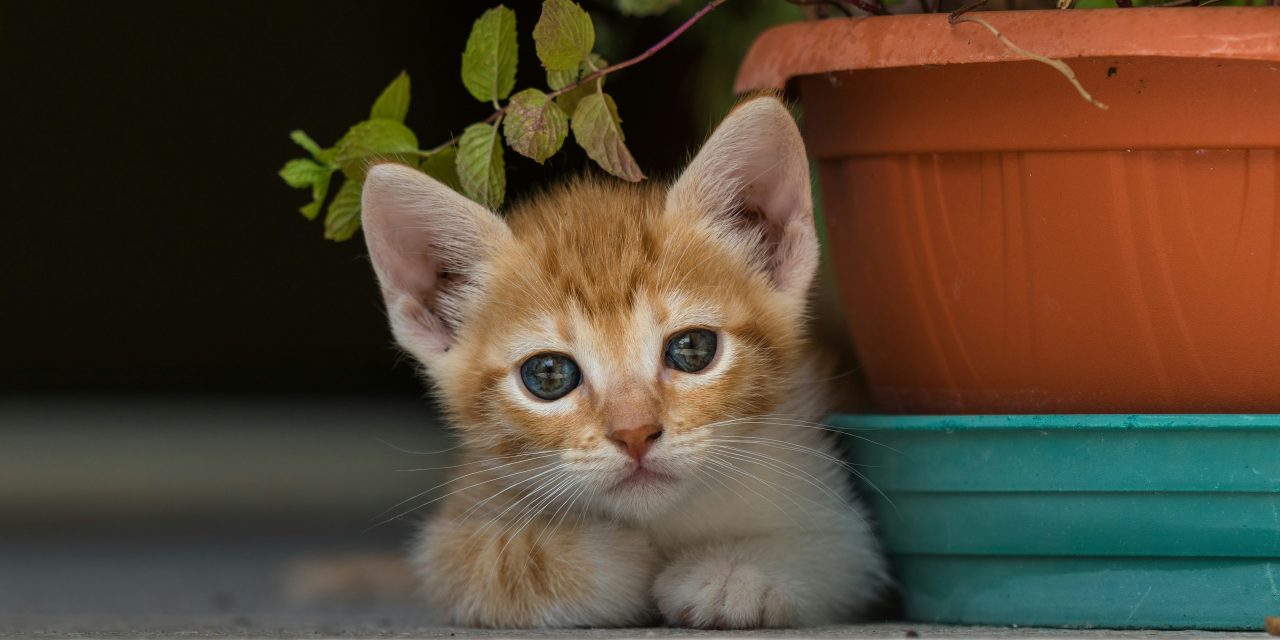
Vaccinations are a cornerstone of preventive healthcare for kittens, serving as a critical line of defense against various infectious diseases. The early weeks of a kitten’s life are crucial for establishing a robust immune system, and vaccinations play an essential role in this process. By administering vaccines, pet owners can significantly reduce the risk of severe illnesses that could jeopardize their kitten’s health and longevity. Vaccination not only protects individual animals but also contributes to the broader community by reducing the prevalence of contagious diseases.
The importance of vaccinations cannot be overstated. Kittens are particularly vulnerable to infections due to their immature immune systems. Without proper immunization, they are at risk of contracting life-threatening diseases that can lead to severe health complications or even death. Vaccines stimulate the immune response, allowing the body to recognize and combat pathogens effectively. This proactive approach is vital for ensuring that kittens grow into healthy adult cats, capable of enjoying a long and fulfilling life.
Vaccines are categorized into two primary groups: core and non-core vaccines. Core vaccines are those deemed essential for all kittens, regardless of their lifestyle or environment. These vaccines protect against highly contagious and potentially fatal diseases that pose a significant threat to feline health. In contrast, non-core vaccines are recommended based on specific risk factors, such as geographic location, lifestyle, and exposure to other animals.
Core vaccines typically include those for Feline Panleukopenia (FPV), Feline Herpesvirus (FHV-1), Feline Calicivirus (FCV), and Rabies. These vaccines are universally recommended due to the high morbidity and mortality rates associated with the diseases they prevent. Non-core vaccines, such as those for Feline Leukemia Virus (FeLV), Chlamydia felis, and Bordetella bronchiseptica, may be administered based on individual circumstances. Understanding the distinction between these two categories is crucial for pet owners to make informed decisions regarding their kitten’s vaccination schedule.
Feline Panleukopenia (FPV) Vaccine: Protecting Against a Deadly Virus
Feline Panleukopenia is a highly contagious viral disease caused by the parvovirus, leading to severe gastrointestinal distress and immunosuppression in affected kittens. The FPV vaccine is a core vaccine that provides essential protection against this deadly virus. Kittens are particularly susceptible to FPV due to their developing immune systems, making vaccination imperative.
The FPV vaccine is typically administered as part of a combination vaccine known as FVRCP (Feline Viral Rhinotracheitis, Calicivirus, and Panleukopenia). The initial vaccination series usually begins at six to eight weeks of age, with booster shots given every three to four weeks until the kitten reaches 16 weeks old. This schedule ensures that the kitten develops adequate immunity before being exposed to potential sources of infection.
Feline Herpesvirus (FHV-1) Vaccine: Preventing Respiratory Infections

Feline Herpesvirus (FHV-1) is a leading cause of upper respiratory infections in cats, characterized by symptoms such as sneezing, nasal discharge, and conjunctivitis. The FHV-1 vaccine is crucial for preventing these respiratory issues, particularly in multi-cat households or environments where kittens may be exposed to other felines.
The vaccine works by stimulating the immune system to recognize and combat the herpesvirus effectively. Kittens typically receive their first dose of the FHV-1 vaccine at six to eight weeks of age, followed by additional doses every three to four weeks until they reach 16 weeks old. This vaccination schedule helps ensure that kittens develop immunity before they encounter potential carriers of the virus.
Feline Calicivirus (FCV) Vaccine: Guarding Against Oral and Respiratory Issues

Feline Calicivirus (FCV) is another significant contributor to respiratory infections in cats, often presenting with symptoms such as oral ulcers and pneumonia. The FCV vaccine is included in the core vaccination protocol due to its prevalence and potential severity. Vaccination against FCV is essential for maintaining overall feline health, particularly in environments where multiple cats reside.
The FCV vaccine is typically administered alongside the FHV-1 and FPV vaccines in the FVRCP combination vaccine. Kittens receive their first dose at six to eight weeks of age, with subsequent boosters given every three to four weeks until they reach 16 weeks old. This vaccination strategy helps ensure that kittens develop robust immunity against FCV, reducing the risk of severe respiratory complications.
Rabies Vaccine: Legal Requirements and Lifesaving Protection
Rabies is a zoonotic viral disease that poses a significant threat not only to cats but also to humans and other animals. The rabies vaccine is legally mandated in many jurisdictions due to the disease’s fatal nature and public health implications. Vaccination against rabies is crucial for protecting both kittens and their human companions from this deadly virus.
The rabies vaccine is typically administered at around 12 to 16 weeks of age, with booster shots required annually or every three years, depending on local regulations and vaccine type. It is essential for pet owners to adhere to local laws regarding rabies vaccination to ensure compliance and safeguard public health.
Feline Leukemia Virus (FeLV) Vaccine: Essential for Outdoor and Multi-Cat Households
Feline Leukemia Virus (FeLV) is a retrovirus that compromises the immune system and can lead to various health issues, including cancer and anemia. The FeLV vaccine is classified as a non-core vaccine but is highly recommended for kittens living in outdoor environments or multi-cat households where exposure risk is elevated.
The FeLV vaccine is administered in two doses, with the first dose given at around 8 weeks of age and a second dose three to four weeks later. Annual boosters are recommended for cats at continued risk of exposure. Vaccination against FeLV is vital for preventing transmission among cats and ensuring long-term health.
Chlamydia felis Vaccine: When and Why It’s Recommended
Chlamydia felis is a bacterial infection that can cause conjunctivitis and respiratory issues in cats, particularly in young kittens or those living in crowded conditions. The Chlamydia felis vaccine is considered non-core but may be recommended based on specific risk factors.
Kittens at higher risk of exposure—such as those in shelters or multi-cat households—may benefit from this vaccination. The Chlamydia felis vaccine is typically administered in two doses, with the first dose given at around 8 weeks of age and a second dose three to four weeks later. While not universally required, this vaccine can be an important addition to a kitten’s vaccination regimen based on individual circumstances.
Bordetella Bronchiseptica Vaccine: Considering Respiratory Health in Kittens
Bordetella bronchiseptica is a bacterium responsible for kennel cough in dogs but can also affect cats, leading to respiratory infections characterized by coughing and nasal discharge. The Bordetella vaccine is classified as non-core but may be recommended for kittens exposed to high-risk environments such as boarding facilities or shelters.
The Bordetella vaccine can be administered intranasally or via injection, with the initial dose given at around 8 weeks of age followed by annual boosters as needed based on exposure risk. Vaccination against Bordetella bronchiseptica helps protect kittens from respiratory illnesses that could compromise their overall health.
Scheduling and Booster Shots: Creating an Effective Vaccination Timeline
Establishing an effective vaccination timeline is crucial for ensuring that kittens receive timely immunizations against infectious diseases. The American Association of Feline Practitioners recommends starting vaccinations at six to eight weeks of age, with subsequent doses administered every three to four weeks until the kitten reaches 16 weeks old.
A typical vaccination schedule may include:
– **6-8 Weeks**: First doses of FPV, FHV-1, FCV
– **10-12 Weeks**: Second doses of FPV, FHV-1, FCV; first dose of FeLV (if indicated)
– **14-16 Weeks**: Third doses of FPV, FHV-1, FCV; second dose of FeLV (if indicated); rabies vaccine
Following this schedule ensures that kittens develop adequate immunity before being exposed to potential sources of infection while also adhering to legal requirements regarding rabies vaccination.
Ensuring a Healthy Start for Your New Kitten Through Vaccinations
In conclusion, vaccinations are an integral part of responsible pet ownership that significantly contributes to the health and well-being of kittens. By understanding the importance of core and non-core vaccines, pet owners can make informed decisions about their kitten’s healthcare needs. Early immunization protects against severe diseases such as Feline Panleukopenia, Herpesvirus, Calicivirus, Rabies, Feline Leukemia Virus, Chlamydia felis, and Bordetella bronchiseptica.
Creating an effective vaccination timeline ensures that kittens receive timely immunizations while fostering a healthy start in life. By prioritizing vaccinations, pet owners not only safeguard their kittens’ health but also contribute to the overall welfare of feline populations within their communities.
### FAQ Section
**Q1: At what age should I start vaccinating my kitten?**
A1: Kittens should begin their vaccination series at six to eight weeks of age.
**Q2: How often do kittens need booster shots?**
A2: Booster shots are typically administered every three to four weeks until the kitten reaches 16 weeks old.
**Q3: Are there any side effects associated with vaccinations?**
A3: Some common side effects may include mild lethargy or localized swelling at the injection site; however, serious reactions are rare.
**Q4: Is it necessary to vaccinate indoor cats?**
A4: Yes, even indoor cats should receive core vaccinations as they can still be exposed to infectious agents through various means.
**Q5: Can my kitten receive multiple vaccines at once?**
A5: Yes, combination vaccines allow multiple immunizations to be administered simultaneously, reducing stress on the animal.
**Q6: What should I do if I miss a vaccination appointment?**
A6: Contact your veterinarian as soon as possible; they will advise you on how to proceed with rescheduling vaccinations.
**Q7: Are there any legal requirements for rabies vaccinations?**
A7: Yes, rabies vaccinations are legally mandated in many areas; check local regulations for specific requirements.
**Q8: How can I ensure my kitten stays healthy after vaccinations?**
A8: Regular veterinary check-ups, proper nutrition, exercise, and maintaining a clean living environment contribute significantly to your kitten’s overall health.
In summary, vaccinations are vital for protecting kittens from various infectious diseases that could threaten their health and well-being. By adhering to recommended vaccination schedules and understanding the importance of both core and non-core vaccines, pet owners can ensure their new feline companions have a healthy start in life.
FAQs
What vaccinations do kittens typically need?
Kittens typically require a series of vaccinations that include FVRCP (feline viral rhinotracheitis, calicivirus, and panleukopenia) and rabies. The FVRCP vaccine is usually administered in a series of three doses starting at around 6 to 8 weeks of age, while the rabies vaccine is given at around 12 to 16 weeks of age, depending on local laws.
When should I start vaccinating my kitten?
Kittens should begin their vaccination schedule at around 6 to 8 weeks of age. It is important to follow up with additional doses every 3 to 4 weeks until they are about 16 weeks old to ensure they are fully protected against common feline diseases.
Are there any side effects from kitten vaccinations?
While most kittens tolerate vaccinations well, some may experience mild side effects such as lethargy, slight fever, or localized swelling at the injection site. Serious side effects are rare but can include allergic reactions. If you notice any concerning symptoms, consult your veterinarian.
How often do kittens need booster vaccinations?
Kittens typically need booster vaccinations after their initial series, usually at 1 year of age. After that, the frequency of booster shots can vary depending on the vaccine type and your veterinarian’s recommendations, but many vaccines are given every 1 to 3 years thereafter.
Can I vaccinate my kitten myself?
It is not recommended to vaccinate your kitten yourself. Vaccinations should be administered by a licensed veterinarian who can ensure proper handling, dosage, and monitoring for any adverse reactions. Additionally, a veterinarian can provide a comprehensive health check and advice tailored to your kitten’s needs.