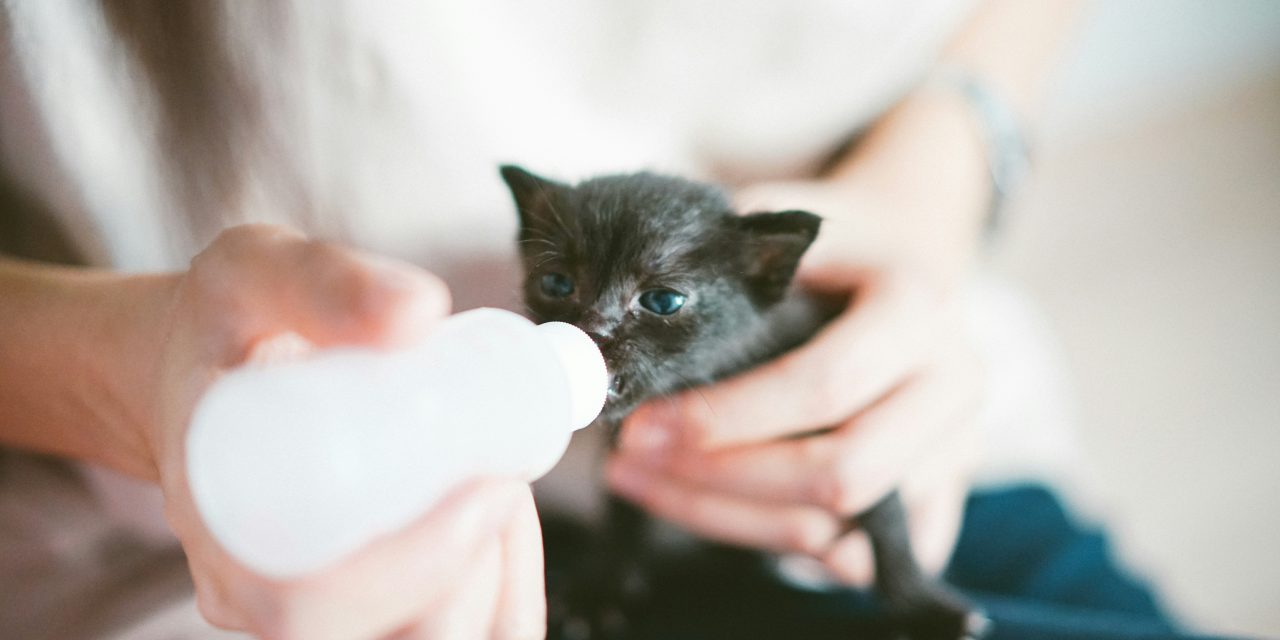
Feeding bottles designed specifically for kittens play a crucial role in the nurturing of orphaned or rejected felines. These bottles are essential tools for ensuring that young kittens receive the necessary nutrition during their formative weeks, particularly when they are unable to nurse from their mother. Kittens, especially those under four weeks of age, require a specialized formula that mimics their mother’s milk, and the right feeding bottle can facilitate this process effectively.
The importance of proper nutrition during this critical growth phase cannot be overstated. Kittens are born blind and deaf, relying entirely on their mother for sustenance and warmth. When they are separated from their mother, whether due to abandonment or health issues, caregivers must step in to provide the necessary care. Feeding bottles designed for kittens not only help deliver the formula but also simulate the nursing experience, which is vital for their emotional and physical development.
Why Choosing the Right Feeding Bottle Matters
Selecting an appropriate feeding bottle is paramount for several reasons. Firstly, the design of the bottle can significantly impact the ease with which a kitten can feed. A poorly designed bottle may lead to frustration for both the caregiver and the kitten, potentially resulting in inadequate nutrition. Furthermore, the material of the bottle should be safe and non-toxic, as kittens are prone to chewing on objects as they explore their environment.
Another critical factor is the nipple design. Kittens have specific sucking reflexes that need to be accommodated by the nipple’s shape and flow rate. A nipple that is too fast may cause choking, while one that is too slow can lead to exhaustion and refusal to feed. Therefore, understanding the nuances of kitten feeding bottles is essential for ensuring that these vulnerable animals receive the nourishment they need without undue stress.
Key Features to Look for in Kitten Feeding Bottles

When selecting a feeding bottle for kittens, several key features should be considered to ensure optimal feeding experiences.
1. **Material**: Look for bottles made from BPA-free plastic or silicone, which are safe and easy to clean.
2. **Nipple Design**: Choose nipples that mimic a mother cat’s teat, with a soft texture and appropriate flow rate.
3. **Size**: The bottle should be small enough for tiny paws to hold comfortably but large enough to hold sufficient formula.
4. **Ease of Cleaning**: Bottles with wide openings are easier to clean thoroughly, reducing the risk of bacterial growth.
5. **Measurement Markings**: Clear measurement markings on the side of the bottle help caregivers accurately gauge how much formula is being fed.
These features collectively contribute to a more effective feeding process, ensuring that kittens receive adequate nutrition while minimizing stress during feeding times.
Top 10 Best Feeding Bottles for Kittens: Overview

1. **PetAg KMR Kitten Nursing Bottle**: This bottle is designed specifically for kittens and features a soft nipple that mimics natural nursing.
2. **Paw Print Kitten Feeding Bottle**: Known for its ergonomic design, this bottle allows for easy grip and control during feeding.
3. **Bergan Pet Products Kitten Feeding Bottle**: This option includes a variety of nipple sizes to accommodate different age groups.
4. **Nurture Right 360 Incubator Feeding Bottle**: Ideal for premature or weak kittens, this bottle offers a gentle flow.
5. **Kittens & Friends Nursing Bottle**: This bottle features a unique anti-colic design that helps prevent air intake during feeding.
6. **Toys & Pets Kitten Feeding Bottle**: With its clear measurement markings, this bottle ensures accurate formula dispensing.
7. **PawHut Kitten Feeding Bottle**: This product includes multiple nipple sizes and is made from durable materials.
8. **Snoozer Pet Products Nursing Bottle**: Designed with a soft silicone nipple, it provides a comfortable feeding experience.
9. **Kitten Milk Replacer Feeding Bottle**: This bottle comes with a specialized formula designed for optimal kitten growth.
10. **Feline First Nursing Bottle**: This option features an easy-to-squeeze design that allows caregivers to control the flow of formula.
Detailed Review of Bottle #1: PetAg KMR Kitten Nursing Bottle
The PetAg KMR Kitten Nursing Bottle is a top choice among pet caregivers due to its thoughtful design tailored specifically for kittens. The bottle is made from high-quality BPA-free plastic, ensuring safety during use. Its soft silicone nipple closely resembles a mother cat’s teat, allowing kittens to latch on easily and feed comfortably.
One of the standout features of this bottle is its variable flow nipple, which allows caregivers to adjust the flow rate according to the kitten’s needs. This adaptability is crucial for preventing choking or frustration during feeding sessions. Additionally, the bottle’s wide opening facilitates easy cleaning and filling, making it convenient for busy caregivers.
Detailed Review of Bottle #2: Paw Print Kitten Feeding Bottle
The Paw Print Kitten Feeding Bottle is designed with ergonomics in mind, featuring a contoured shape that fits comfortably in hand. This design allows caregivers to maintain better control while feeding their kittens, reducing the likelihood of spills or accidents. The bottle is constructed from durable materials that withstand repeated use and cleaning.
The nipple on this bottle is crafted from soft silicone, providing a gentle feeding experience that mimics natural nursing behavior. Caregivers appreciate the clear measurement markings on the side of the bottle, which enable precise formula dispensing and monitoring of intake levels. Overall, this feeding bottle combines functionality with comfort, making it an excellent choice for kitten care.
Detailed Review of Bottle #3: Bergan Pet Products Kitten Feeding Bottle
The Bergan Pet Products Kitten Feeding Bottle stands out due to its versatility and adaptability for various kitten sizes and ages. This bottle comes with multiple nipple sizes, allowing caregivers to switch out nipples as kittens grow and their feeding needs change. The nipples are designed to provide an appropriate flow rate that caters to both newborns and older kittens.
Constructed from high-quality materials, this bottle is both durable and easy to clean. Its wide mouth design simplifies filling and cleaning processes, ensuring that caregivers can maintain proper hygiene standards. The Bergan feeding bottle is an excellent investment for those looking to provide consistent care as their kittens develop.
Comparison of Feeding Bottle Sizes and Nipples
When comparing feeding bottles for kittens, size and nipple design are critical factors that influence feeding success. Bottles typically range from 2 ounces to 8 ounces in capacity, with smaller sizes being ideal for newborns and larger sizes suitable for older kittens who require more formula per feeding.
Nipple designs also vary significantly; some nipples feature a single hole for slow flow, while others have multiple holes for faster feeding rates. Caregivers should consider their kitten’s age and feeding habits when selecting a nipple type. For instance, younger kittens may benefit from slower-flow nipples to prevent choking, while older kittens may prefer faster-flow options as they become more adept at nursing.
How to Properly Use and Clean Kitten Feeding Bottles
Proper usage and cleaning of kitten feeding bottles are essential components of responsible pet care. Before each use, caregivers should ensure that all components of the bottle are thoroughly cleaned and sterilized to prevent bacterial contamination. A simple solution of warm water and mild soap can be used for cleaning; however, boiling the components for a few minutes can provide additional sterilization.
When preparing formula for feeding, it is crucial to follow the manufacturer’s instructions regarding dilution ratios and temperature. The formula should be warmed slightly before feeding but never heated in a microwave, as this can create hot spots that may burn a kitten’s mouth.
During feeding sessions, caregivers should hold the kitten in an upright position to mimic natural nursing behavior while allowing gravity to assist in delivering the formula through the nipple. After feeding, any remaining formula should be discarded to prevent spoilage.
Tips for Feeding Newborn and Orphaned Kittens
Feeding newborn or orphaned kittens requires patience and care to ensure their health and well-being. Here are some essential tips:
1. **Frequency**: Newborn kittens typically require feeding every 2-3 hours around the clock until they reach about four weeks of age.
2. **Temperature**: Ensure that formula is warmed to body temperature before offering it to kittens.
3. **Positioning**: Hold kittens in a natural nursing position; avoid placing them on their backs as this can lead to aspiration.
4. **Monitoring Intake**: Keep track of how much each kitten consumes during feedings to ensure they are receiving adequate nutrition.
5. **Hydration**: Ensure that kittens remain hydrated; if they are not nursing well, consult a veterinarian immediately.
Selecting the Best Feeding Bottle for Your Kitten’s Needs
In conclusion, choosing the right feeding bottle for kittens is an essential aspect of caring for these vulnerable animals during their early stages of life. By considering factors such as material safety, nipple design, size options, and ease of cleaning, caregivers can ensure that they provide optimal nutrition while minimizing stress during feedings.
With numerous options available on the market today, it is crucial to evaluate each product based on individual needs and preferences. Whether you opt for the PetAg KMR Kitten Nursing Bottle or another reputable brand, prioritizing quality will ultimately lead to healthier and happier kittens as they grow into thriving adult cats.
In summary, proper nutrition through effective feeding practices lays the foundation for healthy development in kittens, making informed choices about feeding bottles an indispensable part of responsible pet ownership.
FAQs
What type of feeding bottle is best for kittens?
The best feeding bottles for kittens are those specifically designed for small animals, featuring a soft, squeezable body and a nipple that mimics a mother cat’s teat. Look for bottles made from safe, non-toxic materials and those that are easy to clean.
How do I properly prepare a feeding bottle for a kitten?
To prepare a feeding bottle for a kitten, first sterilize the bottle and nipple by boiling them in water for about 5-10 minutes. After sterilization, fill the bottle with a high-quality kitten milk replacer, ensuring the formula is warmed to body temperature before feeding.
How often should I feed a kitten using a feeding bottle?
Kittens typically need to be fed every 2-3 hours during their first few weeks of life. As they grow, the frequency can be gradually reduced. It’s important to monitor their weight and overall health to adjust feeding schedules accordingly.
What should I do if my kitten refuses to use the feeding bottle?
If a kitten refuses to use the feeding bottle, try different nipple sizes or shapes to find one that they prefer. You can also gently stimulate their mouth with the nipple or try feeding them in a quiet, comfortable environment to reduce stress.
Can I use regular cow’s milk in a feeding bottle for kittens?
No, regular cow’s milk is not suitable for kittens as it can cause digestive upset and diarrhea. Instead, use a specially formulated kitten milk replacer that provides the necessary nutrients and is easier for them to digest.