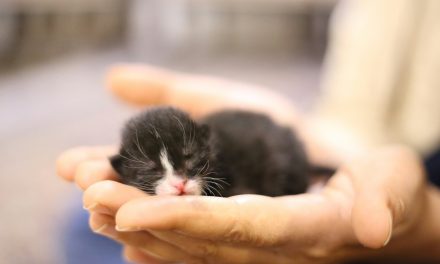
Feline curiosity is an intrinsic characteristic that defines the behavior of domestic cats. This innate trait stems from their evolutionary background as solitary hunters, where exploration was essential for survival. Cats possess a keen sense of observation and an acute awareness of their surroundings, which allows them to identify potential threats and opportunities. This inquisitive nature is not merely a whimsical trait; it serves as a survival mechanism that has been honed over thousands of years.
The neurological underpinnings of feline curiosity are fascinating. Cats have a highly developed cerebral cortex, which is responsible for complex behaviors, problem-solving, and decision-making. This cognitive ability drives them to investigate their environment thoroughly. When a cat encounters an unfamiliar object or sound, its instinctual response is to explore, often leading to behaviors such as knocking items off tables or shelves. This exploration is not just about physical interaction; it also involves mental stimulation, which is crucial for their overall well-being.
How Cats Explore Their Environment
Cats utilize various methods to explore their surroundings, employing their senses of sight, smell, and touch. Their acute vision allows them to detect even the slightest movements, while their sensitive whiskers help them gauge the dimensions of spaces and objects. This multi-sensory approach enables cats to navigate their environment effectively, leading to behaviors that may seem puzzling to human observers.
One common method of exploration involves pawing at objects. Cats often use their paws to test the stability and texture of items, which can result in unintentional destruction. For instance, a cat may knock over a glass or push a small object off a table simply to understand its properties better. This behavior is not malicious; rather, it reflects their natural instinct to investigate and interact with their environment. Understanding this exploratory behavior can help cat owners create a more enriching environment that satisfies their feline’s curiosity.
The Role of Play and Hunting Instincts

Play is an essential aspect of a cat’s life, serving as both a form of exercise and a means to hone their hunting skills. Kittens engage in play fighting with their littermates, which helps them develop coordination and social skills necessary for adult life. As they grow older, these playful behaviors often manifest in various forms, including chasing after toys or even knocking over household items.
The hunting instinct is deeply ingrained in felines, and it drives them to engage in behaviors that mimic predatory actions. When a cat knocks something off a surface, it may be reenacting the thrill of the hunt, simulating the act of capturing prey. This behavior can be particularly pronounced in indoor cats who lack access to natural hunting opportunities. Providing interactive toys or engaging in play sessions can help channel this instinctual drive into more appropriate outlets, reducing the likelihood of destructive behavior.
Seeking Attention: Why Your Cat Knocks Things Over

Cats are social creatures that thrive on interaction with their human companions. When they feel neglected or bored, they may resort to attention-seeking behaviors, such as knocking objects off tables or counters. This behavior can be interpreted as a cry for help or an attempt to engage their owners in play or conversation.
Understanding the underlying motivations for this behavior is crucial for cat owners. If a cat consistently knocks things over when its owner is present, it may be signaling a desire for interaction or stimulation. In such cases, providing dedicated playtime or engaging in activities that foster bonding can help alleviate this attention-seeking behavior. Recognizing the need for social interaction can lead to a more harmonious relationship between cats and their owners.
Testing Boundaries and Learning Cause and Effect
Cats are intelligent animals that learn through experience and observation. When they engage in behaviors such as knocking objects off surfaces, they are often testing boundaries and exploring the concept of cause and effect. For instance, if a cat knocks over a vase and observes its owner’s reaction—whether it be surprise, anger, or laughter—it learns that this action elicits a response.
This learning process can reinforce the behavior if the cat perceives it as beneficial or entertaining. To mitigate this tendency, owners should establish clear boundaries and redirect their cats’ attention toward more appropriate activities. Providing alternative forms of stimulation can help satisfy their curiosity without resulting in destructive behavior.
Boredom and Lack of Stimulation as Triggers
Boredom is a significant factor contributing to destructive behaviors in cats. Indoor cats, in particular, may experience limited stimulation due to their confined environments. Without adequate mental and physical engagement, they may resort to knocking things over as a means of entertainment or self-amusement.
To combat boredom, cat owners should consider enriching their pets’ environments with various stimuli. This can include interactive toys, climbing structures, scratching posts, and puzzle feeders that challenge their cognitive abilities. Regular play sessions that mimic hunting behaviors can also provide essential exercise and mental stimulation, reducing the likelihood of destructive actions stemming from boredom.
The Impact of Stress and Anxiety on Destructive Behavior
Stress and anxiety can significantly influence a cat’s behavior, leading to destructive tendencies such as knocking objects over. Various factors can contribute to feline stress, including changes in the household environment, the introduction of new pets or family members, or even loud noises from outside sources.
When cats experience stress, they may engage in compulsive behaviors as a coping mechanism. Knocking things over can serve as an outlet for pent-up energy or frustration. Identifying stressors in a cat’s environment is crucial for addressing these behaviors effectively. Creating a safe space where the cat can retreat during stressful situations can help alleviate anxiety and reduce destructive tendencies.
Environmental Factors That Encourage Knocking Objects Down
Certain environmental factors can exacerbate a cat’s inclination to knock things over. For instance, cluttered spaces with easily accessible items may tempt curious cats to explore by pawing at objects. Additionally, high surfaces that are not secured can become playgrounds for adventurous felines seeking new experiences.
To minimize these behaviors, owners should consider organizing their living spaces by removing fragile items from accessible areas and securing loose objects that could be knocked over easily. Creating designated play areas with safe toys can redirect feline curiosity toward more appropriate outlets while maintaining a tidy environment.
The Influence of Age and Developmental Stages
A cat’s age plays a significant role in its behavior patterns. Kittens are naturally more curious and playful than older cats, often engaging in exploratory behaviors that include knocking things over as part of their development process. As they mature into adulthood, many cats become more settled but may still exhibit playful tendencies.
Understanding these developmental stages is essential for managing behavior effectively. Kittens require ample opportunities for play and exploration to develop healthy habits, while adult cats may benefit from structured playtime that channels their energy positively. Recognizing the differences in behavior across age groups allows owners to tailor their approaches accordingly.
How to Redirect This Behavior Positively
Redirecting destructive behavior requires patience and creativity from cat owners. One effective strategy involves providing alternative outlets for exploration and play. Interactive toys that mimic prey movements can capture a cat’s attention while satisfying its hunting instincts without resulting in destruction.
Additionally, establishing routines that incorporate regular playtime can help channel energy positively. Engaging in activities such as feather wand play or laser pointer games encourages physical activity while reinforcing the bond between owner and pet. By offering stimulating alternatives, owners can effectively redirect their cats’ curiosity away from knocking objects over.
When to Consult a Veterinarian or Behaviorist
If destructive behaviors persist despite efforts to redirect them positively, it may be time to consult a veterinarian or animal behaviorist. Persistent knocking over of objects could indicate underlying health issues or behavioral disorders that require professional intervention.
Veterinarians can assess whether medical conditions contribute to behavioral changes while behaviorists specialize in developing tailored strategies for managing specific issues. Seeking professional guidance ensures that both the physical and psychological needs of the cat are addressed comprehensively.
In summary, understanding feline curiosity is essential for managing behaviors such as knocking objects over. By recognizing the underlying motivations—ranging from exploration and play instincts to boredom and stress—cat owners can implement effective strategies for redirection and enrichment. Creating an engaging environment filled with stimulating activities fosters positive interactions between cats and their owners while minimizing destructive tendencies. If challenges persist despite these efforts, consulting professionals can provide valuable insights into addressing behavioral concerns effectively.
FAQs
Why do cats knock things off tables and shelves?
Cats often knock things off tables and shelves as a form of play or exploration. Their natural instincts drive them to interact with their environment, and knocking objects over can mimic hunting behaviors. Additionally, they may be curious about how objects react when they fall.
Is knocking things off a sign of boredom in cats?
Yes, knocking things off surfaces can be a sign of boredom. Cats need mental and physical stimulation, and if they are not getting enough playtime or interaction, they may resort to knocking items off tables as a way to entertain themselves.
Can knocking things off be a behavioral issue?
In some cases, knocking things off can indicate behavioral issues, such as anxiety or stress. If a cat feels threatened or insecure in its environment, it may engage in this behavior as a coping mechanism. Observing other signs of stress can help determine if this is the case.
How can I prevent my cat from knocking things off surfaces?
To prevent your cat from knocking things off surfaces, you can provide alternative forms of entertainment, such as interactive toys, scratching posts, or climbing structures. Additionally, keeping fragile items out of reach and creating a designated play area can help minimize this behavior.
Are certain breeds of cats more prone to knocking things off?
While all cats may exhibit this behavior, some breeds, such as Siamese and Abyssinians, are known for their playful and curious nature, which may make them more prone to knocking things off surfaces. Individual personality and environment also play significant roles in this behavior.