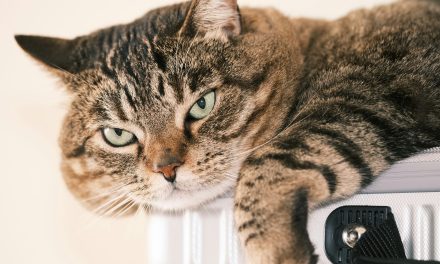
Cats are inherently curious creatures, often exploring their environment through tactile engagement. One of the more concerning behaviors observed in felines is the tendency to chew on electrical cords. This behavior can stem from various motivations, including boredom, anxiety, or even a natural instinct to chew. Cats possess a strong predilection for exploring their surroundings with their mouths, and the texture of electrical cords may mimic that of prey or other objects they would typically encounter in the wild.
Moreover, dental health plays a significant role in this behavior. Cats may chew on cords as a means of alleviating discomfort associated with dental issues, such as gingivitis or periodontal disease. The act of chewing can provide temporary relief from oral pain, prompting them to seek out objects that satisfy this need. Understanding these underlying motivations is crucial for pet owners seeking to mitigate this hazardous behavior effectively.
Identifying the Signs of Cord Chewing
Recognizing the signs of cord chewing is essential for early intervention. Pet owners should be vigilant for visible damage to cords, such as fraying or exposed wires, which can indicate that a cat has been chewing on them. Additionally, observing your cat’s behavior can provide insights into their chewing habits. If a cat frequently approaches electrical cords, particularly when left unattended, this may signal an inclination toward chewing.
Other behavioral indicators include excessive grooming or biting at their paws and mouth, which may suggest dental discomfort or anxiety. Furthermore, if a cat exhibits signs of distress when left alone or engages in destructive behavior, it may be a cry for help. Identifying these signs early can prevent potential hazards and promote a safer environment for both the feline and its human companions.
Assessing the Risks of Chewing Electrical Cords

The risks associated with cats chewing electrical cords are significant and multifaceted. The most immediate danger is the potential for electrocution, which can lead to severe injury or even death. When a cat chews through a cord, it can create a short circuit, resulting in electrical shock that may cause burns, cardiac arrest, or neurological damage.
In addition to the risk of electrocution, there are other health concerns related to cord chewing. Ingesting pieces of cord material can lead to gastrointestinal blockages or internal injuries. Furthermore, exposure to electrical components may result in toxic reactions due to the materials used in manufacturing cords. Understanding these risks underscores the importance of taking proactive measures to protect both your cat and your home.
Cat-Proofing Your Home: Securing Electrical Cords

Cat-proofing your home is an essential step in preventing cord chewing. One effective strategy is to secure cords against walls or furniture using adhesive clips or cord organizers. This not only keeps cords out of reach but also minimizes the temptation for cats to engage with them. Additionally, consider rearranging furniture to create barriers that limit access to exposed cords.
Another preventive measure involves utilizing cord concealers or tubing that encases electrical cords. These protective coverings not only deter chewing but also enhance the aesthetic appeal of your living space by reducing clutter. By implementing these strategies, pet owners can significantly decrease the likelihood of their cats engaging in hazardous chewing behaviors.
Using Cord Protectors and Covers
Cord protectors and covers are invaluable tools for safeguarding electrical cords from feline curiosity. These products come in various forms, including flexible tubing and rigid casings designed specifically for cord protection. Many cord protectors are made from durable materials that are resistant to chewing and scratching, providing an effective barrier against potential damage.
When selecting cord protectors, consider options that are easy to install and maintain. Some products feature adhesive backing for straightforward application, while others may require minimal assembly. Additionally, look for cord covers that blend seamlessly with your home decor to maintain an aesthetically pleasing environment while ensuring safety.
Providing Safe and Engaging Alternatives for Chewing
To redirect your cat’s chewing behavior away from electrical cords, it is essential to provide safe and engaging alternatives. Chew toys specifically designed for cats can satisfy their natural urge to gnaw while promoting dental health. Look for toys made from durable materials that can withstand vigorous chewing and are free from harmful substances.
Incorporating interactive toys into your cat’s playtime routine can also help alleviate boredom and reduce anxiety. Puzzle feeders and treat-dispensing toys stimulate mental engagement while providing a rewarding experience for your feline companion. By offering a variety of safe alternatives, you can effectively divert your cat’s attention away from hazardous cords.
Training Techniques to Discourage Cord Chewing
Training techniques play a pivotal role in discouraging cord chewing behavior in cats. Positive reinforcement is one of the most effective methods; rewarding your cat with treats or praise when they engage with appropriate toys instead of cords reinforces desirable behavior. Consistency is key; ensure that all family members are on board with the training approach to avoid confusion for your pet.
Additionally, employing redirection techniques can be beneficial. If you catch your cat in the act of chewing on a cord, gently redirect them to an appropriate toy or activity without scolding them harshly. This approach fosters a positive learning environment and encourages your cat to associate playtime with acceptable behaviors rather than destructive habits.
Applying Deterrent Sprays and Bitter Solutions
Deterrent sprays and bitter solutions can serve as effective tools in preventing cats from chewing on electrical cords. These products are formulated with unpleasant tastes or scents that discourage chewing behavior without causing harm to your pet. When applying deterrent sprays, ensure that they are safe for use around pets and follow the manufacturer’s instructions carefully.
To maximize effectiveness, apply deterrent solutions directly onto the cords you wish to protect while allowing them to dry completely before allowing your cat access to the area. Reapplication may be necessary over time as the scent diminishes or if the product wears off due to environmental factors.
Increasing Playtime and Mental Stimulation
Increasing playtime and mental stimulation is crucial in preventing destructive behaviors such as cord chewing. Engaging your cat in regular play sessions not only provides physical exercise but also fosters mental engagement, reducing boredom-related behaviors. Interactive play with feather wands or laser pointers can stimulate your cat’s hunting instincts while strengthening the bond between you and your pet.
Incorporating puzzle toys into your cat’s routine can further enhance mental stimulation by challenging them to solve problems for rewards. Rotate toys regularly to maintain novelty and interest, ensuring that your cat remains engaged and less likely to seek out inappropriate objects like electrical cords.
Consulting a Veterinarian for Behavioral Advice
If cord chewing persists despite implementing preventive measures, consulting a veterinarian is advisable. A veterinarian can assess your cat’s overall health and identify any underlying medical conditions contributing to this behavior, such as dental issues or anxiety disorders. They may recommend behavioral therapies or modifications tailored to your cat’s specific needs.
Additionally, veterinarians can provide valuable insights into dietary adjustments that may alleviate anxiety or boredom-related behaviors. By collaborating with a veterinary professional, pet owners can develop a comprehensive plan addressing both behavioral concerns and overall well-being.
When to Seek Professional Help for Persistent Chewing
In cases where persistent cord chewing continues despite efforts at prevention and training, seeking professional help from an animal behaviorist may be necessary. These specialists possess expertise in understanding feline behavior and can offer tailored strategies for addressing specific issues related to cord chewing.
Behaviorists may conduct assessments of your home environment and your cat’s interactions to identify triggers contributing to this behavior. They can provide guidance on implementing structured training programs designed to modify undesirable behaviors effectively. By enlisting professional assistance, pet owners can gain valuable insights into their cat’s behavior and develop effective strategies for fostering a safer living environment.
In summary, understanding why cats chew electrical cords is crucial for preventing this dangerous behavior. Identifying signs of cord chewing early allows pet owners to take proactive measures to mitigate risks associated with electrocution and gastrointestinal injuries. Cat-proofing homes by securing cords and using protective covers is essential in safeguarding pets from harm.
Providing safe alternatives for chewing and increasing playtime enhances mental stimulation while discouraging destructive behaviors. Training techniques combined with deterrent sprays can further reinforce positive habits in cats. Consulting veterinarians or animal behaviorists ensures comprehensive approaches tailored to individual needs when persistent issues arise.
By implementing these strategies effectively, pet owners can create a safer environment for their feline companions while promoting healthy behaviors that contribute to overall well-being.
FAQs
Why do cats chew on electrical cords?
Cats may chew on electrical cords out of curiosity, boredom, or to relieve teething discomfort. The texture and movement of the cords can also attract their attention, making them an appealing target for play and exploration.
What are the dangers of cats chewing on electrical cords?
Chewing on electrical cords can pose serious risks to cats, including electric shock, burns, or even death. Additionally, damaged cords can create fire hazards in the home, making it crucial to address this behavior promptly.
What are some effective methods to deter cats from chewing on cords?
To deter cats from chewing on cords, you can use bitter-tasting sprays designed for pets, cover cords with protective tubing, or use cord management solutions to keep them out of reach. Providing alternative toys and engaging in regular playtime can also help redirect their chewing behavior.
Are there any safe products to protect electrical cords from cats?
Yes, there are several safe products available, such as cord protectors, which are plastic or rubber sleeves that encase the cords, and bitter-tasting deterrent sprays that can be applied to the cords to make them unappealing to cats.
How can I keep my cat entertained to reduce cord chewing?
To keep your cat entertained, provide a variety of toys, such as interactive playthings, scratching posts, and puzzle feeders. Regular play sessions and environmental enrichment, like climbing trees or window perches, can also help reduce boredom and the urge to chew on cords.