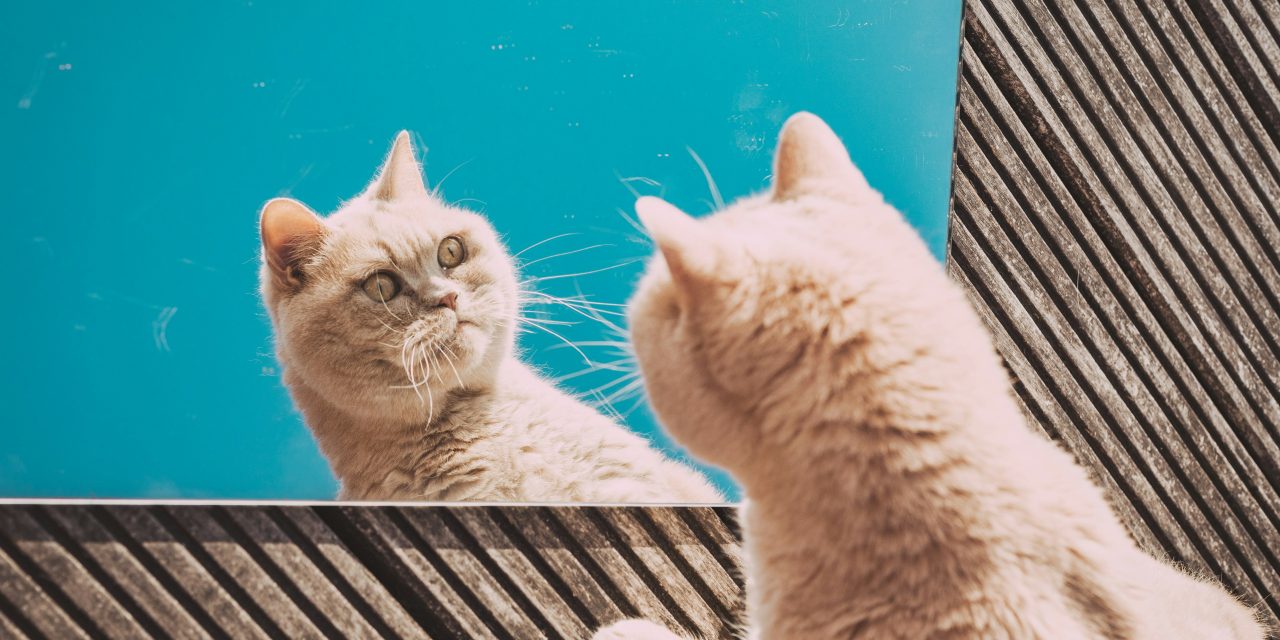
Destructive behavior in felines can manifest in various forms, including scratching furniture, knocking over objects, or excessive biting and chewing. These actions often stem from instinctual drives, such as the need to sharpen claws, mark territory, or engage in play. Understanding the underlying motivations for these behaviors is crucial for cat owners seeking to mitigate damage and promote a harmonious living environment. Cats are inherently curious creatures, and their exploratory nature can lead them to engage in activities that may be perceived as destructive.
Moreover, it is essential to recognize that destructive behavior is not merely a sign of mischief; it can also indicate underlying emotional or physical issues. For instance, a cat may resort to destructive actions due to boredom, anxiety, or even medical conditions such as hyperthyroidism or dental pain. By comprehensively understanding these behaviors, owners can take proactive steps to address the root causes rather than simply reacting to the symptoms.
Identifying Common Triggers for Destructive Actions
Identifying the triggers that lead to destructive behavior is a pivotal step in managing a cat’s actions effectively. Common triggers include environmental factors such as changes in routine, the introduction of new pets, or even alterations in household dynamics. Cats are creatures of habit, and disruptions can lead to stress and anxiety, prompting them to engage in destructive behaviors as a coping mechanism.
Additionally, boredom is a significant contributor to destructive actions. Indoor cats, in particular, may lack sufficient stimulation and mental engagement, leading them to seek entertainment through inappropriate means. Identifying these triggers requires keen observation and an understanding of your cat’s unique personality and preferences. By recognizing patterns in behavior and environmental changes, owners can implement strategies to alleviate stressors and redirect their cat’s energy positively.
The Importance of Positive Reinforcement

Positive reinforcement is a powerful tool in shaping desirable behavior in cats. This technique involves rewarding good behavior with treats, praise, or affection, thereby encouraging the cat to repeat those actions. Unlike punitive measures, which can lead to fear and anxiety, positive reinforcement fosters a trusting relationship between the owner and the pet. This approach not only promotes good behavior but also enhances the overall bond between human and feline.
Implementing positive reinforcement requires consistency and patience. For instance, if a cat uses a scratching post instead of furniture, providing a treat or verbal praise immediately reinforces that behavior. Over time, the cat learns to associate the desired action with positive outcomes. This method is particularly effective in redirecting destructive tendencies by offering alternatives that satisfy the cat’s natural instincts while simultaneously preserving household harmony.
Providing Appropriate Outlets for Energy

Cats possess varying levels of energy that need appropriate outlets for expression. Without sufficient physical and mental stimulation, they may resort to destructive behaviors as a means of releasing pent-up energy. Providing appropriate outlets is essential for maintaining a balanced and happy feline. Engaging in regular play sessions with interactive toys can significantly reduce boredom and channel energy into constructive activities.
Incorporating climbing structures, scratching posts, and puzzle feeders into the home environment can also provide cats with opportunities for exercise and mental engagement. These outlets not only satisfy their natural instincts but also promote physical health by preventing obesity and related health issues. By ensuring that cats have access to stimulating activities, owners can effectively reduce the likelihood of destructive behavior while enhancing their pet’s overall well-being.
Creating a Cat-Friendly Environment
A cat-friendly environment is crucial for promoting positive behavior and minimizing destructive tendencies. This involves designing spaces that cater to a cat’s natural instincts while ensuring safety and comfort. Providing vertical spaces such as shelves or cat trees allows felines to explore their surroundings from different heights, satisfying their curiosity and territorial instincts.
Moreover, creating designated areas for scratching and playing can help redirect destructive behavior away from furniture and personal belongings. Utilizing materials that are appealing to cats, such as sisal or cardboard for scratching posts, encourages appropriate use while preserving household items. Additionally, ensuring that the environment is free from hazards—such as toxic plants or small objects that could be ingested—contributes to a safe and enriching space for cats.
Using Toys and Interactive Play to Redirect Behavior
Toys play a vital role in redirecting destructive behavior by providing mental stimulation and physical exercise. Interactive toys that mimic prey movements can engage a cat’s hunting instincts, allowing them to channel their energy into play rather than destruction. Feather wands, laser pointers, and treat-dispensing toys are excellent options for keeping cats entertained while promoting healthy activity levels.
Regular interactive play sessions not only serve as an outlet for energy but also strengthen the bond between owner and pet. Engaging in playtime fosters trust and companionship while reducing stress levels for both parties. By incorporating a variety of toys into the daily routine, owners can keep their cats mentally stimulated and less likely to engage in destructive behaviors out of boredom.
Establishing Consistent Routines and Boundaries
Establishing consistent routines is essential for creating a sense of security in cats. Predictable schedules for feeding, playtime, and grooming help cats understand what to expect throughout the day, reducing anxiety and potential destructive behaviors. Cats thrive on routine; therefore, maintaining consistency fosters a stable environment where they feel safe.
In addition to routines, setting clear boundaries is crucial for guiding behavior. For instance, if certain areas of the home are off-limits, using gentle deterrents or redirecting attention can help reinforce these boundaries without resorting to punishment. By combining routines with clear expectations, owners can create an environment conducive to positive behavior while minimizing instances of destruction.
Employing Gentle Deterrents Instead of Punishment
When addressing destructive behavior in cats, employing gentle deterrents is far more effective than punitive measures. Punishment can lead to fear-based responses and damage the bond between owner and pet. Instead, using non-invasive deterrents—such as double-sided tape on furniture or motion-activated air sprays—can discourage unwanted behaviors without causing distress.
Redirecting attention to appropriate alternatives is another effective strategy. For example, if a cat is scratching furniture, gently guiding them toward a scratching post while offering praise reinforces positive behavior without instilling fear or anxiety. By focusing on redirection rather than punishment, owners can foster an environment where cats feel secure while learning acceptable behaviors.
Training Techniques That Encourage Good Behavior
Training techniques that encourage good behavior are essential for fostering a well-adjusted feline companion. Clicker training is one effective method that utilizes sound cues to reinforce desired actions. By associating the sound of the clicker with rewards such as treats or affection, cats learn to associate specific behaviors with positive outcomes.
Additionally, teaching basic commands—such as “sit” or “come”—can enhance communication between owner and pet while promoting good behavior. Consistency is key; using the same commands and rewards helps reinforce learning over time. Training sessions should be kept short and enjoyable to maintain the cat’s interest while building confidence in their abilities.
Recognizing Signs of Stress and Anxiety in Cats
Recognizing signs of stress and anxiety in cats is crucial for addressing behavioral issues effectively. Common indicators include excessive grooming, hiding, vocalization changes, or altered eating habits. Understanding these signs allows owners to intervene early before destructive behaviors escalate.
Environmental changes—such as moving homes or introducing new pets—can trigger stress responses in cats. Providing safe spaces where they can retreat when feeling overwhelmed is essential for their emotional well-being. Additionally, incorporating calming aids such as pheromone diffusers or anxiety-reducing supplements may help alleviate stress levels in sensitive cats.
When to Seek Professional Help for Behavioral Issues
While many behavioral issues can be addressed through proactive measures at home, there are instances when seeking professional help becomes necessary. If destructive behaviors persist despite implementing various strategies or if they escalate into aggression or self-harm, consulting with a veterinarian or animal behaviorist is advisable.
Professional guidance can provide tailored solutions based on the specific needs of the cat and its environment. Behavioral assessments may involve identifying underlying medical conditions contributing to stress or anxiety. In some cases, medication may be recommended alongside behavioral modification techniques to achieve optimal results.
In summary, understanding destructive cat behavior involves recognizing triggers and employing positive reinforcement techniques while providing appropriate outlets for energy. Creating a cat-friendly environment with engaging toys fosters healthy habits while establishing consistent routines helps reduce anxiety levels. Gentle deterrents should replace punishment methods to encourage good behavior effectively. Recognizing signs of stress allows owners to intervene early when necessary; however, professional assistance may be required for persistent issues. By implementing these strategies holistically, cat owners can cultivate a harmonious relationship with their feline companions while minimizing destructive tendencies.
FAQs
What are some common destructive behaviors in cats?
Common destructive behaviors in cats include scratching furniture, knocking over objects, chewing on cords, excessive meowing, and digging in plants. These behaviors can stem from boredom, stress, or a lack of appropriate outlets for their energy.
How can I redirect my cat’s scratching behavior?
To redirect scratching behavior, provide your cat with appropriate scratching posts or pads made of various materials. Place these near the areas they typically scratch and encourage use by rubbing catnip on them or using toys to attract their attention.
What are some effective ways to engage a bored cat?
Engaging a bored cat can be achieved through interactive play sessions using toys like feather wands or laser pointers. Puzzle feeders and treat-dispensing toys can also stimulate their minds and keep them occupied. Regular playtime and rotating toys can help maintain their interest.
How can I reduce my cat’s anxiety to prevent destructive behavior?
To reduce anxiety in cats, create a safe and enriching environment with hiding spots, vertical spaces, and interactive toys. Consider using pheromone diffusers or sprays to promote calmness. Gradual exposure to stressors and maintaining a consistent routine can also help alleviate anxiety.
Is it possible to train a cat without punishment?
Yes, it is possible to train a cat without punishment by using positive reinforcement techniques. Rewarding desired behaviors with treats, praise, or playtime encourages cats to repeat those behaviors. Consistency and patience are key to successful training.