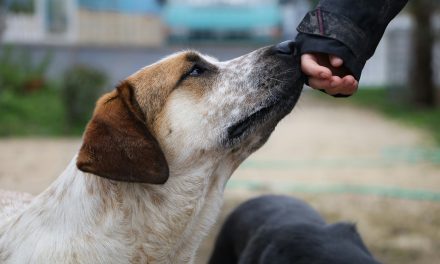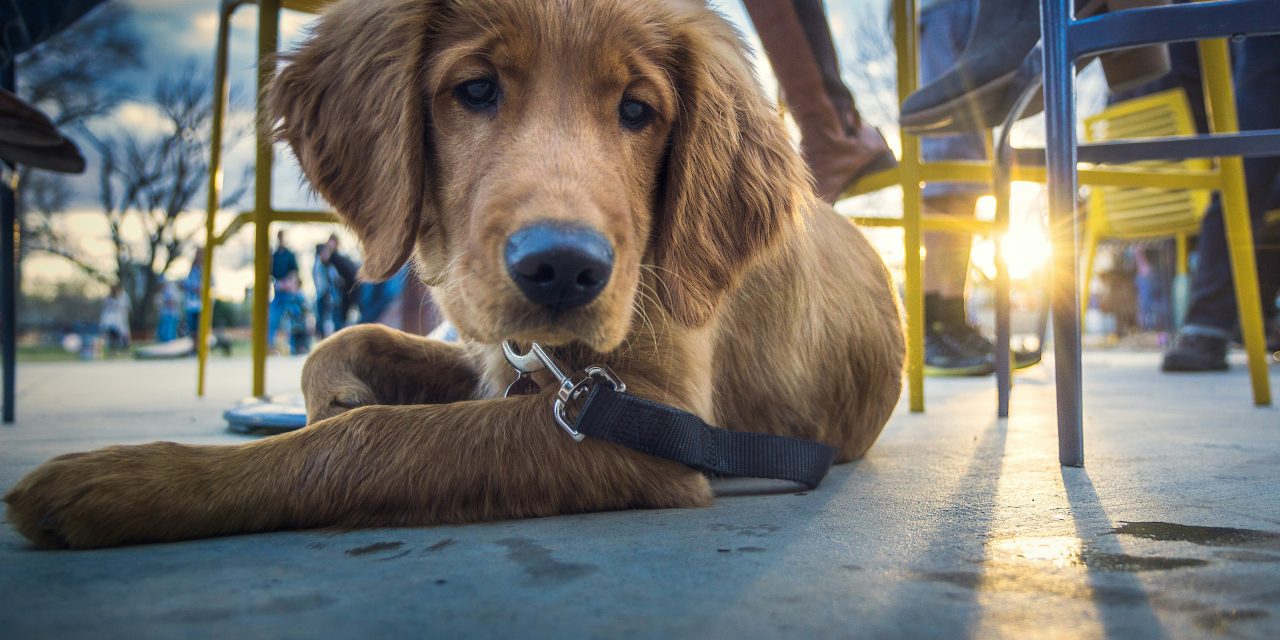
Dogs are inherently social creatures, deeply reliant on companionship for their emotional and psychological well-being. This need for social interaction is rooted in their evolutionary history as pack animals, where cooperation and bonding were essential for survival. Understanding your dog’s need for companionship is crucial for fostering a healthy relationship and ensuring their happiness. The bond between humans and dogs is profound, characterized by mutual affection and loyalty. However, as pet owners, it is essential to recognize that dogs require more than just physical care; they thrive on emotional connections and social engagement.
The implications of this need for companionship extend to various aspects of a dog’s life, particularly when it comes to their alone time. While some dogs may tolerate solitude better than others, the majority experience stress and anxiety when left alone for extended periods. This article will explore the different stages of a dog’s life, examining how their need for companionship evolves from puppyhood through to their senior years. By understanding these developmental phases, pet owners can tailor their approach to meet their dog’s unique needs, ensuring a balanced and fulfilling life.
Puppies (0-3 Months): The Importance of Constant Supervision
During the first three months of life, puppies are in a critical developmental stage where they require constant supervision and social interaction. This period is marked by rapid growth and learning, as puppies begin to explore their environment and develop essential social skills. Constant supervision is vital during this time to prevent accidents and ensure proper socialization. Puppies are naturally curious and may engage in behaviors that could lead to injury or ingestion of harmful substances if left unattended.
Moreover, this stage is crucial for establishing a strong bond between the puppy and its owner. Positive interactions during this formative period help build trust and security, laying the foundation for a well-adjusted adult dog. Engaging in playtime, gentle training sessions, and exposure to various stimuli can significantly enhance a puppy’s confidence and adaptability. Owners should prioritize creating a safe environment where puppies can explore freely while being closely monitored to mitigate risks.
Young Puppies (3-6 Months): Gradually Increasing Alone Time

As puppies transition into the young puppy stage (3-6 months), they begin to develop a sense of independence while still requiring significant attention and companionship. During this phase, it is essential to gradually introduce short periods of alone time to help them acclimate to being by themselves. This gradual exposure can prevent separation anxiety from developing later in life. Owners should start with brief intervals of solitude, gradually increasing the duration as the puppy becomes more comfortable.
Training techniques such as crate training can be beneficial during this stage. A crate can serve as a safe haven for the puppy, providing them with a sense of security when left alone. It is crucial to ensure that the crate is associated with positive experiences, such as treats or toys, to foster a sense of comfort. Additionally, engaging in interactive play and mental stimulation during supervised time can help alleviate boredom and anxiety when the puppy is left alone.
Adolescent Dogs (6-12 Months): Balancing Independence and Attention

The adolescent stage (6-12 months) presents unique challenges as dogs navigate the transition from puppyhood to adulthood. During this period, dogs often exhibit increased independence and may test boundaries, making it essential for owners to strike a balance between granting freedom and providing necessary attention. While some dogs may become more tolerant of alone time, others may still struggle with separation anxiety.
To foster independence while ensuring emotional well-being, owners should implement structured routines that include regular exercise, mental stimulation, and socialization opportunities. Engaging in activities such as obedience training or agility exercises can help channel excess energy while reinforcing positive behaviors. Additionally, providing interactive toys or puzzle feeders can keep adolescent dogs mentally engaged during periods of solitude.
Adult Dogs (1-7 Years): Typical Alone Time Limits
Adult dogs (1-7 years) typically have a greater capacity for alone time compared to their younger counterparts. However, the acceptable duration varies based on individual temperament, breed characteristics, and previous experiences with solitude. Generally, adult dogs can be left alone for approximately 4 to 8 hours per day without significant distress. Nevertheless, it is crucial to consider each dog’s unique personality and needs when determining appropriate alone time limits.
To ensure that adult dogs remain content during periods of solitude, owners should establish a consistent routine that includes regular exercise and mental stimulation before leaving them alone. Engaging in daily walks or play sessions can help expend excess energy and reduce anxiety levels. Additionally, providing access to safe toys or chew items can keep dogs occupied while their owners are away.
Senior Dogs (7+ Years): Special Considerations for Older Pets
As dogs enter their senior years (7+ years), their needs change significantly. Older dogs may experience physical limitations or health issues that affect their ability to cope with being left alone for extended periods. It is essential for owners to be attuned to these changes and adjust their routines accordingly. Senior dogs often benefit from shorter alone times, typically ranging from 2 to 4 hours.
Moreover, cognitive decline can also impact an older dog’s ability to handle solitude. Conditions such as canine cognitive dysfunction syndrome (CDS) may lead to confusion or anxiety when left alone. Owners should consider providing a comfortable space with familiar scents and items that promote relaxation. Additionally, incorporating gentle exercise and mental stimulation tailored to their abilities can enhance their quality of life.
Breed and Size Factors Affecting Alone Time
Breed characteristics play a significant role in determining how well a dog can tolerate being left alone. Some breeds are naturally more independent and adaptable to solitude, while others are prone to separation anxiety due to their strong attachment to humans. For instance, breeds such as Basenjis or Shiba Inus may exhibit greater independence compared to breeds like Labrador Retrievers or Golden Retrievers, which thrive on companionship.
Size also influences alone time tolerance; smaller breeds may feel more vulnerable when left alone compared to larger breeds that may be more self-sufficient. Understanding these breed-specific traits can help owners tailor their approach to meet their dog’s needs effectively. It is essential to consider both breed characteristics and individual personality traits when determining appropriate alone time limits.
Signs Your Dog Is Stressed When Left Alone
Recognizing signs of stress in dogs when left alone is crucial for addressing potential issues before they escalate into more severe behavioral problems. Common indicators of stress include excessive barking or howling, destructive behavior such as chewing furniture or digging, inappropriate urination or defecation, and attempts to escape confinement areas. Additionally, some dogs may exhibit signs of distress through pacing or excessive drooling.
Monitoring your dog’s behavior during periods of solitude can provide valuable insights into their emotional state. If signs of stress are observed consistently, it may be necessary to reevaluate the duration of alone time or seek professional guidance from a veterinarian or animal behaviorist.
Tips for Preparing Your Dog to Be Alone
Preparing your dog for periods of solitude requires thoughtful planning and gradual acclimatization. Here are several effective strategies:
1. **Gradual Desensitization**: Start by leaving your dog alone for short intervals and gradually increase the duration over time.
2. **Create a Safe Space**: Designate a comfortable area where your dog feels secure when left alone.
3. **Interactive Toys**: Provide engaging toys that stimulate your dog’s mind and keep them occupied during your absence.
4. **Routine Establishment**: Maintain a consistent daily routine that includes exercise, feeding, and playtime.
5. **Positive Reinforcement**: Reward your dog with treats or praise when they remain calm during alone time.
6. **Calming Aids**: Consider using calming products such as pheromone diffusers or anxiety wraps if your dog shows signs of distress.
Alternatives to Leaving Your Dog Alone: Dog Walkers and Daycare
For pet owners who are concerned about leaving their dogs alone for extended periods, alternative options such as dog walkers or daycare facilities can provide valuable solutions. Hiring a professional dog walker allows your pet to enjoy regular exercise and social interaction during the day while you are away at work or engaged in other activities.
Dog daycare facilities offer an excellent opportunity for dogs to socialize with other pets in a supervised environment. These facilities typically provide structured activities that promote physical exercise and mental stimulation while ensuring safety and well-being. Choosing reputable daycare centers with trained staff can alleviate concerns about leaving your dog alone.
Tailoring Alone Time to Your Dog’s Unique Needs
In conclusion, understanding your dog’s need for companionship is paramount in fostering a healthy relationship throughout their life stages. From the critical early months of puppyhood through the challenges of adolescence and into the senior years, each phase presents unique considerations regarding alone time limits and emotional well-being.
By recognizing breed-specific traits, monitoring signs of stress, and implementing effective strategies for preparing your dog for solitude, you can create an environment that promotes happiness and security. Whether through gradual desensitization techniques or exploring alternatives like dog walkers or daycare facilities, tailoring your approach to meet your dog’s unique needs will ultimately lead to a fulfilling companionship that enhances both your lives.
In summary, fostering an understanding of your dog’s companionship needs throughout their life stages ensures emotional well-being while allowing you both to thrive together in harmony.
FAQs
What is the general guideline for leaving a puppy alone?
Puppies can typically be left alone for about one hour for each month of their age, up to a maximum of about four to six hours. For example, a three-month-old puppy can be left alone for about three hours. It’s important to gradually increase the time they are left alone to help them adjust.
How long can adult dogs be left alone?
Adult dogs can generally be left alone for about six to eight hours a day. However, this can vary based on the dog’s breed, temperament, and individual needs. Some dogs may require more companionship and may not do well if left alone for extended periods.
What considerations should be made for senior dogs left alone?
Senior dogs may require more frequent bathroom breaks and may not handle being alone as well as younger dogs. It’s advisable to limit the time they are left alone to four to six hours and ensure they have access to water and a comfortable space.
Are there any signs that a dog is not coping well with being left alone?
Signs that a dog may not be coping well with being left alone include excessive barking or howling, destructive behavior, accidents in the house, and signs of anxiety such as pacing or drooling. If these behaviors are observed, it may be necessary to adjust the dog’s alone time or seek professional help.
What can be done to help a dog feel more comfortable when left alone?
To help a dog feel more comfortable when left alone, owners can provide engaging toys, create a safe and cozy space, establish a consistent routine, and consider using calming aids such as pheromone diffusers or anxiety wraps. Gradual desensitization to being alone can also be beneficial.