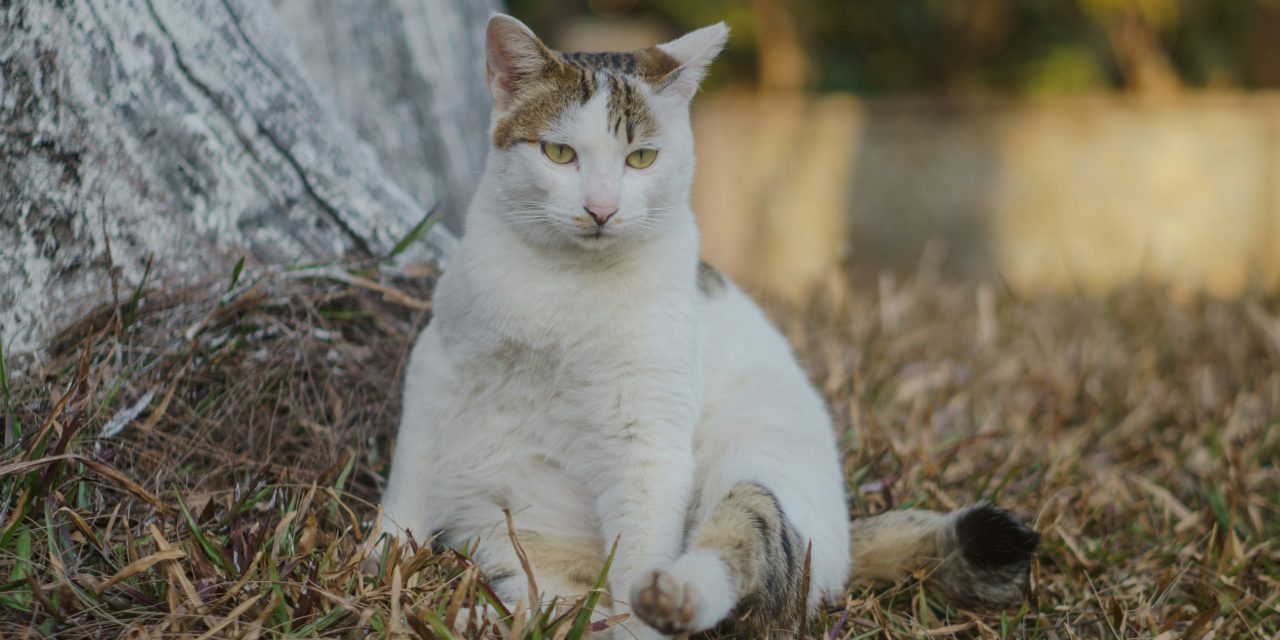
Maintaining a healthy weight is crucial for the overall well-being of felines. Obesity in cats is not merely a cosmetic concern; it significantly impacts their health, longevity, and quality of life. A cat’s ideal weight varies based on breed, age, and individual health factors, but generally, a healthy weight allows for optimal organ function, mobility, and energy levels. When a cat is at its ideal weight, it can engage in normal activities such as playing, grooming, and exploring its environment without undue fatigue or discomfort.
Moreover, a healthy weight can prevent a myriad of health issues. Obesity is linked to diabetes mellitus, osteoarthritis, and cardiovascular diseases. By ensuring that your cat maintains an appropriate weight, you can enhance its lifespan and reduce the risk of developing chronic conditions that may require extensive medical intervention. Therefore, understanding the importance of healthy weight management is essential for every cat owner.
Common Causes of Cat Obesity
Several factors contribute to feline obesity, and understanding these causes is vital for effective prevention and management. One of the primary reasons is overfeeding. Many pet owners inadvertently provide excessive portions or high-calorie treats, leading to an energy surplus that results in weight gain. Additionally, the availability of calorie-dense commercial cat foods can exacerbate this issue, especially if owners do not monitor their cat’s caloric intake.
Another significant factor is a sedentary lifestyle. Indoor cats often lack the opportunity for physical activity compared to their outdoor counterparts. Without sufficient exercise, cats can easily become overweight as they burn fewer calories. Furthermore, certain medical conditions such as hypothyroidism or Cushing’s disease can predispose cats to obesity by altering their metabolism or appetite regulation. Understanding these common causes is essential for implementing effective strategies to combat feline obesity.
Signs Your Cat May Be Overweight

Recognizing the signs of obesity in cats is crucial for timely intervention. One of the most apparent indicators is an increase in body size and weight. However, visual assessment alone may not be sufficient. A cat that has difficulty grooming itself or shows signs of lethargy may also be overweight. Additionally, if your feline struggles to jump onto furniture or play with toys as it once did, these could be signs of excess weight affecting its mobility.
Another critical sign is the inability to feel the ribs easily when you gently press on your cat’s sides. In a healthy cat, the ribs should be palpable without excessive pressure. If you cannot feel them or if there is a noticeable layer of fat covering them, your cat may be overweight. Regularly monitoring your cat’s body condition and behavior can help you identify potential weight issues early on.
How to Perform a Body Condition Score on Your Cat

Performing a Body Condition Score (BCS) is an effective method for assessing your cat’s weight status. The BCS scale typically ranges from 1 to 9, with 1 being emaciated and 9 being obese. To evaluate your cat’s condition, start by observing its overall shape from above and the side. A healthy cat should have a noticeable waist when viewed from above and an abdominal tuck when viewed from the side.
Next, gently palpate your cat’s ribs. In a healthy feline, you should be able to feel the ribs without excessive pressure while still having a slight layer of fat covering them. Additionally, check for fat deposits around the spine and tail base; these areas should not feel overly padded in a healthy cat. Regularly performing a BCS can help you track changes in your cat’s weight and make necessary adjustments to its diet and exercise routine.
Using a Weight Chart to Assess Your Cat’s Ideal Weight
Weight charts are valuable tools for determining your cat’s ideal weight based on its breed and age. These charts provide a range of healthy weights for various breeds, allowing owners to compare their cat’s current weight against established norms. For instance, a domestic shorthair may have an ideal weight range of 8-12 pounds, while a Maine Coon could weigh between 10-25 pounds depending on its age and sex.
To use a weight chart effectively, first weigh your cat using a digital scale designed for pets. Once you have the current weight, consult the chart to see where your cat falls within the recommended range. If your cat’s weight exceeds the upper limit of its ideal range, it may be time to implement dietary changes or increase physical activity levels. Conversely, if your cat is underweight, consulting with a veterinarian for dietary recommendations is advisable.
Health Risks Associated with Overweight Cats
The health risks associated with feline obesity are extensive and can significantly impact your cat’s quality of life. One of the most concerning conditions linked to obesity is diabetes mellitus, which occurs when the body becomes resistant to insulin due to excess fat tissue. This condition requires lifelong management and can lead to severe complications if left untreated.
Additionally, overweight cats are at an increased risk for developing osteoarthritis due to excess strain on their joints. This degenerative joint disease can cause chronic pain and mobility issues, severely affecting your cat’s ability to engage in normal activities. Furthermore, obesity can lead to respiratory problems as excess fat can restrict lung function and contribute to sleep apnea. Understanding these health risks underscores the importance of maintaining a healthy weight for your feline companion.
When to Consult Your Veterinarian
Consulting with a veterinarian is essential if you suspect that your cat may be overweight or if you have concerns about its overall health. A veterinarian can perform a comprehensive physical examination and assess your cat’s body condition score accurately. They may also recommend diagnostic tests such as blood work or imaging studies to rule out underlying medical conditions contributing to weight gain.
If your veterinarian confirms that your cat is overweight, they can develop a tailored weight management plan that includes dietary recommendations and exercise strategies specific to your cat’s needs. Regular follow-up appointments will allow for monitoring progress and making necessary adjustments to the plan as needed.
Adjusting Your Cat’s Diet for Weight Management
Dietary adjustments are crucial for managing an overweight cat effectively. Start by transitioning your cat to a high-quality, low-calorie diet specifically formulated for weight loss or maintenance. These diets typically contain higher fiber content to promote satiety while reducing caloric intake. It’s essential to measure food portions accurately using a scale or measuring cup to avoid overfeeding.
In addition to portion control, consider implementing feeding schedules rather than free-feeding throughout the day. Dividing daily food intake into smaller meals can help regulate appetite and prevent excessive snacking between meals. Additionally, incorporating healthy treats such as small pieces of cooked chicken or freeze-dried fish can provide positive reinforcement without adding excessive calories.
Safe Exercise and Activity Tips for Overweight Cats
Encouraging physical activity is vital for helping overweight cats shed excess pounds safely. Start by engaging your feline in interactive play sessions using toys such as feather wands or laser pointers that stimulate their hunting instincts. Aim for at least 15-30 minutes of playtime daily to promote cardiovascular health and muscle tone.
Creating an enriched environment can also encourage movement; consider providing climbing structures or scratching posts that entice your cat to explore vertically. Additionally, incorporating puzzle feeders can stimulate mental engagement while promoting physical activity as cats work to retrieve their food or treats from these devices.
Monitoring Your Cat’s Progress and Weight Loss
Monitoring your cat’s progress during its weight loss journey is essential for ensuring success and making necessary adjustments along the way. Regular weigh-ins should be conducted every two weeks to track changes accurately; this frequency allows you to identify trends without causing undue stress on your pet.
Keep a journal documenting your cat’s weight changes alongside any dietary modifications or exercise routines implemented during this period. This record will help you identify what strategies are most effective in promoting weight loss while providing valuable insights for future adjustments.
Preventing Future Weight Gain and Maintaining a Healthy Lifestyle
Preventing future weight gain requires ongoing commitment from pet owners to maintain their cat’s healthy lifestyle habits. Continue monitoring food portions and providing balanced nutrition tailored to your cat’s needs as it ages or undergoes lifestyle changes such as increased activity levels or health conditions.
Regular veterinary check-ups are also crucial for assessing overall health and making necessary dietary adjustments based on age-related changes in metabolism or activity levels. Additionally, fostering an active environment through playtime and mental stimulation will help keep your feline engaged while preventing boredom-related overeating.
In summary, maintaining a healthy weight in cats is vital for their overall well-being and longevity. Understanding the causes of obesity, recognizing signs of excess weight, performing body condition scores, utilizing weight charts, and being aware of associated health risks are all essential components of effective management strategies. Consulting with veterinarians for tailored dietary adjustments and exercise plans will further enhance success in achieving optimal health outcomes for our feline companions while preventing future weight gain through ongoing commitment and lifestyle modifications.
FAQs
How can I tell if my cat is overweight?
To determine if your cat is overweight, you can perform a simple body condition score assessment. Look for a visible waist when viewed from above, feel for ribs without excessive fat covering, and check for a noticeable abdominal tuck. If your cat’s weight is significantly above the average for its breed and age, it may be overweight.
What are the health risks associated with an overweight cat?
Overweight cats are at a higher risk for several health issues, including diabetes, arthritis, heart disease, and respiratory problems. Excess weight can also lead to a decreased quality of life and a shorter lifespan, making it crucial to maintain a healthy weight.
What should I do if I suspect my cat is overweight?
If you suspect your cat is overweight, the first step is to consult your veterinarian. They can provide a proper assessment and recommend a weight loss plan tailored to your cat’s needs, which may include dietary changes and increased exercise.
How can I help my cat lose weight safely?
To help your cat lose weight safely, gradually reduce their calorie intake by switching to a weight management cat food and controlling portion sizes. Incorporate more playtime and physical activity into their daily routine to encourage exercise. Always consult your veterinarian before making significant changes to your cat’s diet or exercise regimen.
Are there specific breeds that are more prone to obesity?
Yes, certain cat breeds are more prone to obesity, including domestic shorthairs, Persians, and Ragdolls. These breeds may have a genetic predisposition to weight gain, so it’s essential for owners to monitor their diet and activity levels closely.