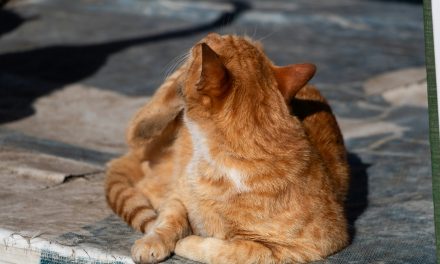
Cats are obligate carnivores, meaning their diet must primarily consist of animal-based proteins to meet their nutritional requirements. Unlike omnivores, felines have evolved to thrive on a diet rich in meat, which provides essential amino acids such as taurine, arginine, and methionine. These amino acids play critical roles in various physiological functions, including heart health, vision, and immune response. Additionally, cats require specific vitamins and minerals, including vitamin A, niacin, and arachidonic acid, which are predominantly found in animal tissues.
A balanced feline diet should also include adequate levels of fats and carbohydrates. Fats serve as a concentrated energy source and are vital for maintaining healthy skin and coat. Carbohydrates, while not essential, can provide a source of energy and aid in digestive health when included in moderation. It is crucial to select high-quality commercial cat foods that meet the standards set by the Association of American Feed Control Officials (AAFCO), ensuring that the food is nutritionally complete and balanced for your cat’s life stage.
Factors Influencing Your Cat’s Daily Food Intake
Several factors influence the daily caloric needs of a cat, including age, weight, activity level, and overall health status. For instance, a young kitten will require significantly more calories per pound of body weight compared to an adult cat due to their rapid growth and high energy levels. Conversely, senior cats may have reduced caloric needs as their metabolism slows down with age.
Activity level is another critical determinant of food intake. An indoor cat that leads a sedentary lifestyle will require fewer calories than an outdoor cat that engages in regular physical activity. Additionally, certain health conditions such as hyperthyroidism or diabetes can alter a cat’s energy requirements, necessitating adjustments in their diet. Regular veterinary check-ups are essential to monitor these factors and ensure your cat’s nutritional needs are being met appropriately.
How Age Affects Your Cat’s Feeding Requirements

As cats progress through different life stages, their nutritional needs evolve significantly. Kittens require a diet rich in protein and fat to support their rapid growth and development. During this stage, they should be fed multiple small meals throughout the day to accommodate their high energy demands. A kitten’s diet should ideally consist of specially formulated kitten food that provides the necessary nutrients for optimal growth.
In contrast, adult cats typically require fewer calories as their growth stabilizes. Their diet should focus on maintaining a healthy weight while providing adequate nutrition to support overall health. Adult cat food formulations often contain lower fat content compared to kitten food but still provide essential nutrients to sustain energy levels and prevent obesity.
Senior cats experience further changes in their dietary needs due to a decline in metabolic rate and potential health issues such as dental problems or kidney disease. Senior cat food is often formulated with lower protein levels and increased fiber content to aid digestion while ensuring that essential nutrients are still provided.
Determining Portion Sizes Based on Your Cat’s Weight

Determining the appropriate portion sizes for your cat is crucial for maintaining a healthy weight and preventing obesity or malnutrition. The general guideline for feeding cats is to provide approximately 20 calories per pound of body weight for weight maintenance. For example, a 10-pound cat would require around 200 calories daily. However, this is a baseline estimate; individual needs may vary based on factors such as activity level and health status.
To accurately measure portion sizes, it is advisable to use a kitchen scale or measuring cups specifically designed for pet food. This ensures consistency in feeding amounts and helps prevent overfeeding or underfeeding. Additionally, it is essential to monitor your cat’s body condition score (BCS) regularly to assess whether adjustments in portion sizes are necessary.
If your cat is overweight, reducing portion sizes gradually while incorporating more exercise can help achieve a healthier weight. Conversely, if your cat appears underweight or is losing weight unexpectedly, increasing portion sizes or switching to a higher-calorie food may be warranted.
Feeding Guidelines for Kittens: Growth and Energy Needs
Kittens have unique nutritional requirements that differ significantly from those of adult cats. During the first few months of life, kittens undergo rapid growth and development, necessitating a diet rich in protein and fat. It is recommended that kittens be fed high-quality commercial kitten food formulated specifically for their developmental stage.
Kittens should be fed multiple small meals throughout the day—ideally four to six meals—to accommodate their high energy needs and small stomach capacity. As they grow older and transition into adulthood around one year of age, the frequency of meals can be gradually reduced to two meals per day.
In addition to providing adequate nutrition, it is essential to ensure that kittens have access to fresh water at all times. Hydration is crucial for their overall health and well-being, particularly as they grow and develop.
Adult Cats: Maintaining a Healthy Weight Through Proper Portions
For adult cats, maintaining a healthy weight is paramount for overall health and longevity. Obesity in cats can lead to various health issues such as diabetes mellitus, arthritis, and cardiovascular disease. To prevent these complications, it is essential to establish proper portion sizes based on your cat’s weight and activity level.
Feeding guidelines provided on commercial cat food packaging can serve as a starting point; however, individual needs may vary. Regularly monitoring your cat’s weight and body condition score will help determine if adjustments in portion sizes are necessary. If your cat is overweight, consider reducing portion sizes gradually while incorporating more playtime and physical activity into their daily routine.
Additionally, it is advisable to avoid free-feeding or leaving food out all day, as this can lead to overeating. Instead, establish a consistent feeding schedule with measured portions to promote healthy eating habits.
Senior Cats: Adjusting Food Intake for Aging Metabolism
As cats age, their metabolism slows down, leading to changes in dietary requirements. Senior cats often experience decreased energy levels and may become less active than their younger counterparts. Consequently, it is crucial to adjust their food intake accordingly to prevent obesity while ensuring they receive adequate nutrition.
Senior cat food formulations typically contain lower protein levels but are enriched with essential nutrients such as omega-3 fatty acids for joint health and antioxidants for immune support. These specialized diets cater to the unique needs of aging felines while promoting overall well-being.
Regular veterinary check-ups are vital for senior cats to monitor any underlying health issues that may affect their dietary needs. Conditions such as kidney disease or dental problems may necessitate further adjustments in food type or portion sizes.
Special Considerations for Overweight and Underweight Cats
Managing the dietary needs of overweight or underweight cats requires careful consideration and tailored approaches. For overweight cats, it is essential to implement gradual changes in diet and lifestyle to promote healthy weight loss without compromising nutrition. Reducing portion sizes while increasing physical activity through interactive play can help achieve this goal.
In some cases, transitioning to a weight management formula may be beneficial for overweight cats. These diets are designed with lower calorie content while still providing essential nutrients to support overall health during weight loss.
Conversely, underweight cats may require increased caloric intake through higher-calorie foods or more frequent feeding schedules. If weight loss occurs unexpectedly or if there are underlying health concerns contributing to weight loss, consulting with a veterinarian is crucial for appropriate diagnosis and treatment.
When considering feeding options for your feline companion, both wet and dry food have distinct advantages and disadvantages that can influence portion sizes and overall nutrition. Wet food typically contains higher moisture content, which can aid in hydration—especially important for cats prone to urinary tract issues or those who do not drink enough water.
On the other hand, dry food offers convenience in terms of storage and feeding but may lack moisture content that contributes to hydration. Portion sizes differ between wet and dry food; generally, wet food requires larger serving sizes due to its lower caloric density compared to dry kibble.
Ultimately, the choice between wet and dry food should be based on your cat’s preferences, dietary needs, and any specific health considerations. A combination of both types may provide a balanced approach while ensuring adequate hydration.
Monitoring Your Cat’s Weight and Adjusting Portions Accordingly
Regular monitoring of your cat’s weight is essential for maintaining optimal health throughout their life stages. Weighing your cat at home using a scale or during veterinary visits can help track changes over time. Additionally, assessing your cat’s body condition score (BCS) using standardized charts can provide valuable insights into whether they are at an ideal weight.
If you notice significant fluctuations in your cat’s weight—whether gaining or losing—adjustments in portion sizes may be necessary. Gradual changes are recommended; sudden alterations can lead to gastrointestinal upset or other health issues.
Consulting with a veterinarian can provide guidance on appropriate portion sizes based on your cat’s individual needs and lifestyle factors.
Tips for Establishing a Consistent Feeding Routine
Establishing a consistent feeding routine is vital for promoting healthy eating habits in cats. Cats thrive on routine; therefore, feeding them at the same times each day can help regulate their appetite and digestion.
Consider implementing scheduled meal times rather than free-feeding to control portion sizes effectively. This approach encourages mindful eating behaviors while preventing overeating.
Additionally, creating a calm feeding environment free from distractions can enhance your cat’s dining experience. Providing fresh water alongside meals ensures proper hydration while promoting overall health.
In conclusion, understanding your cat’s nutritional needs is fundamental for ensuring their well-being throughout various life stages. By considering factors such as age, weight, activity level, and specific dietary requirements, you can tailor feeding practices that promote optimal health outcomes for your feline companion.
**Summary**: This article delves into the intricacies of feline nutrition across different life stages—from kittens requiring high protein diets for growth to senior cats needing adjusted caloric intake due to metabolic changes. It emphasizes the importance of monitoring weight and adjusting portions accordingly while providing insights into feeding routines that foster healthy eating habits in cats.
FAQs
What factors determine how much to feed my cat?
The amount you should feed your cat depends on several factors including their age, weight, activity level, and overall health. Kittens require more calories for growth, while adult cats need a balanced diet to maintain their weight. Senior cats may require fewer calories due to decreased activity levels.
How much should I feed my kitten?
Kittens typically need to be fed more frequently than adult cats. Generally, you should feed them about 1/4 to 1/2 cup of high-quality kitten food per day, divided into three to four meals. As they grow, you can gradually adjust the portion size based on their weight and activity level.
What is the recommended portion for adult cats?
For adult cats, the recommended portion usually ranges from 1/2 to 1 cup of dry food per day, depending on their weight and activity level. It’s important to check the feeding guidelines on the cat food packaging, as different brands may have varying recommendations.
How can I adjust my cat’s diet if they are overweight?
If your cat is overweight, you should consult your veterinarian for a tailored weight loss plan. Generally, you can reduce their daily food intake by about 10-20% and increase their activity level through play. It’s crucial to make gradual changes to avoid health issues.
Should I feed my cat wet food, dry food, or both?
Both wet and dry food have their benefits. Wet food can help with hydration and is often more palatable, while dry food can be more convenient and helps with dental health. Many cat owners choose to feed a combination of both to provide a balanced diet and keep their cats interested in their meals.