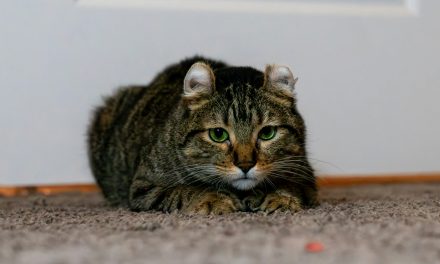
Kittens are known for their playful antics and adorable behaviors, but their nighttime crying can be a source of concern for many pet owners. This vocalization is often a natural part of their development, as they are still adjusting to their new environment and learning how to communicate their needs. Understanding the reasons behind this behavior is crucial for providing the appropriate care and comfort to your feline companion.
Nighttime crying can be attributed to various factors, including hunger, loneliness, or even health issues. As kittens are naturally more active during twilight hours, their instinctual behaviors may lead them to vocalize more at night. Recognizing that this behavior is common among young cats can help alleviate some of the stress and anxiety that owners may feel when faced with a crying kitten.
Common Reasons Why Kittens Cry at Night
Several factors contribute to nighttime crying in kittens, and identifying these reasons can help owners address the issue effectively. One of the most prevalent causes is hunger. Kittens have high energy needs due to their rapid growth and development, which often leads them to cry for food during the night.
Another common reason is the need for attention or companionship. Kittens are social creatures that thrive on interaction with their human caregivers or other pets. If they feel isolated or bored, they may vocalize their distress. Additionally, some kittens may cry due to discomfort or fear, particularly if they are in an unfamiliar environment or experiencing changes in their surroundings.
The Role of Hunger and Feeding Schedules

Hunger is a primary driver of nighttime crying in kittens. As obligate carnivores, they require a diet rich in protein and nutrients to support their growth and energy levels. Kittens typically need to eat multiple small meals throughout the day, as their stomachs are relatively small and cannot hold large quantities of food at once.
To mitigate nighttime crying related to hunger, establishing a consistent feeding schedule is essential. Providing meals at regular intervals during the day can help ensure that your kitten receives adequate nutrition and reduces the likelihood of nighttime vocalizations. Additionally, consider offering a small meal right before bedtime to keep your kitten satisfied throughout the night.
Separation Anxiety and Loneliness in Kittens

Separation anxiety is another significant factor contributing to nighttime crying in kittens. These young felines often form strong bonds with their caregivers and may experience distress when left alone for extended periods. This emotional response can manifest as vocalization, particularly during nighttime hours when they may feel more vulnerable.
To alleviate separation anxiety, it is crucial to provide your kitten with a sense of security and companionship. Gradually acclimating them to being alone for short periods can help them build confidence and reduce anxiety over time. Additionally, providing toys or engaging activities can keep them occupied and distracted from feelings of loneliness.
Health Issues That May Cause Nighttime Crying
While many instances of nighttime crying are benign, it is essential to consider potential health issues that could be causing your kitten’s distress. Conditions such as gastrointestinal discomfort, urinary tract infections, or dental pain can lead to vocalizations as a means of expressing discomfort or pain.
If your kitten’s crying persists despite addressing hunger and loneliness, it is advisable to consult a veterinarian for a thorough examination. Early detection of health issues can lead to more effective treatment options and improve your kitten’s overall well-being.
Environmental Factors Affecting Your Kitten’s Comfort
The environment in which your kitten sleeps plays a significant role in their comfort level and overall behavior. Factors such as noise, temperature, and lighting can all impact how secure your kitten feels during the night. For instance, loud noises from outside or within the home can startle a kitten and lead to increased vocalization.
Creating a calm and quiet sleeping environment is essential for promoting restful sleep for your kitten. Consider placing their bed in a secluded area away from disturbances, ensuring that the temperature is comfortable and that there is minimal exposure to bright lights during nighttime hours.
How to Create a Cozy Sleeping Area for Your Kitten
A cozy sleeping area can significantly enhance your kitten’s comfort and reduce nighttime crying. Start by selecting a quiet location that is free from drafts and excessive noise. Providing a soft bed or blanket will create a warm and inviting space for your kitten to rest.
Incorporating familiar scents into the sleeping area can also help soothe your kitten. Consider placing an item with your scent nearby or using pheromone diffusers designed specifically for cats to create a calming atmosphere. Additionally, ensuring that the sleeping area is clean and free from any potential hazards will contribute to your kitten’s overall sense of security.
Establishing a Nighttime Routine to Reduce Crying
Establishing a consistent nighttime routine can help signal to your kitten that it is time to wind down for the evening. Engaging in calming activities such as gentle playtime or cuddling before bed can help your kitten transition from an active state to a more relaxed one.
Incorporating feeding into this routine can also be beneficial. Providing a small meal before bedtime can help satisfy hunger and promote a sense of fullness, reducing the likelihood of nighttime crying due to hunger pangs. Consistency in this routine will help your kitten learn what to expect each night, fostering a sense of security.
Using Toys and Stimulation to Keep Your Kitten Calm
Providing appropriate toys and stimulation during the day can help reduce nighttime crying by ensuring that your kitten expends excess energy before bedtime. Interactive toys that encourage play and mental engagement can keep your kitten entertained throughout the day, leading to a more restful night.
Consider rotating toys regularly to maintain your kitten’s interest and prevent boredom. Puzzle feeders or treat-dispensing toys can also provide mental stimulation while satisfying their natural hunting instincts. A well-stimulated kitten is less likely to experience anxiety or restlessness at night.
When to Consult a Veterinarian About Nighttime Crying
If your kitten’s nighttime crying persists despite implementing various strategies, it may be time to consult a veterinarian for further evaluation. Persistent vocalization could indicate underlying health issues that require medical attention.
During the veterinary visit, be prepared to discuss your kitten’s behavior, feeding habits, and any other relevant information that may assist in diagnosing potential health concerns. Early intervention can lead to more effective treatment options and improve your kitten’s quality of life.
Tips for Patience and Consistency in Soothing Your Kitten
Soothing a crying kitten requires patience and consistency from caregivers. It is essential to remain calm and avoid reinforcing negative behaviors by responding with frustration or anxiety. Instead, focus on providing comfort through gentle petting or soft-spoken reassurances.
Establishing boundaries while also offering affection will help your kitten learn appropriate behaviors over time. Consistency in your responses will reinforce positive behaviors while gradually reducing unwanted vocalizations during nighttime hours.
In summary, understanding the reasons behind your kitten’s nighttime crying is crucial for addressing this behavior effectively. Factors such as hunger, loneliness, health issues, environmental comfort, and stimulation all play significant roles in influencing your kitten’s vocalizations at night. By implementing strategies such as establishing feeding schedules, creating cozy sleeping areas, engaging in stimulating play during the day, and maintaining patience and consistency in soothing efforts, you can help reduce nighttime crying and promote a peaceful environment for both you and your feline companion.
FAQs
Why does my kitten cry at night?
Kittens may cry at night due to a variety of reasons, including loneliness, hunger, or the need for attention. Being nocturnal by nature, they may also be more active during the night, leading to vocalizations as they seek interaction or playtime.
Is it normal for kittens to cry at night?
Yes, it is normal for kittens to cry at night, especially if they are newly separated from their mother and littermates. This behavior is often a way for them to express their discomfort or need for companionship.
How can I help my kitten stop crying at night?
To help your kitten stop crying at night, ensure they have a comfortable sleeping area, provide toys for entertainment, and establish a consistent feeding schedule. Additionally, spending quality time with your kitten during the day can help reduce nighttime anxiety.
Should I ignore my kitten when it cries at night?
While it can be tempting to ignore your kitten’s cries, it’s important to assess the situation first. If they are crying due to hunger or discomfort, addressing those needs is crucial. However, if they are simply seeking attention, gradually teaching them to self-soothe may be beneficial.
When should I be concerned about my kitten’s crying at night?
If your kitten’s crying is excessive, persistent, or accompanied by other concerning symptoms such as lethargy, loss of appetite, or signs of distress, it may be time to consult a veterinarian. These could indicate underlying health issues that need to be addressed.