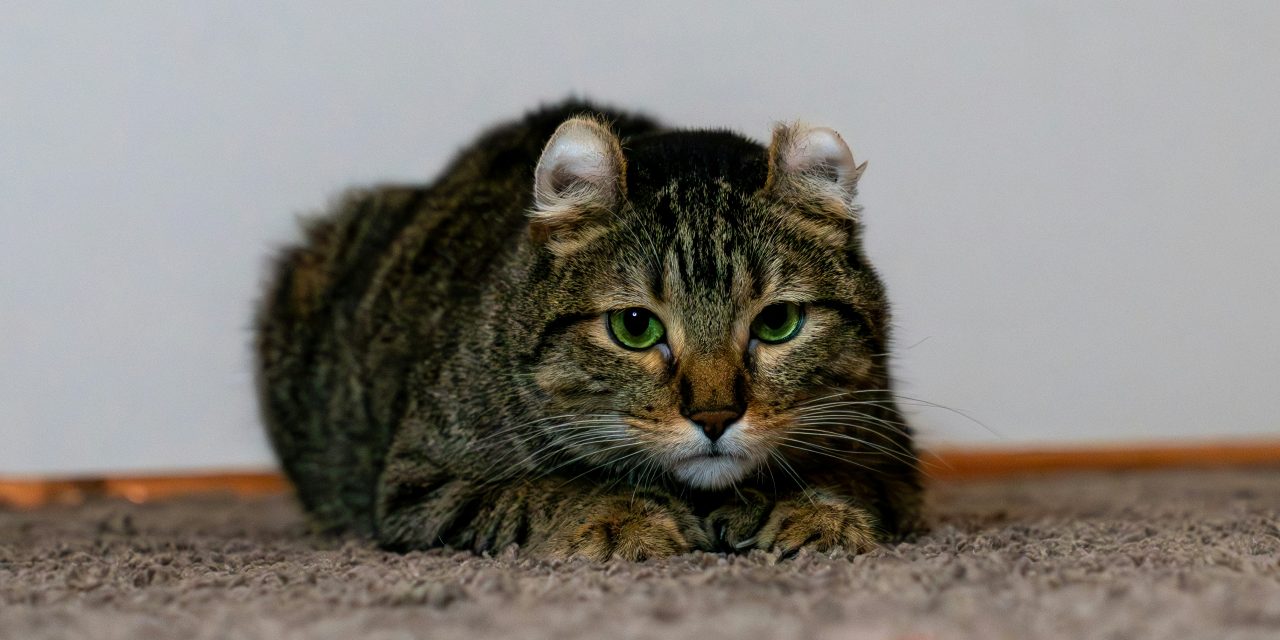
Cats are fascinating creatures, often exhibiting behaviors that can perplex their human companions. One such behavior is urine spraying, a common issue that many cat owners face. Spraying is a form of communication, primarily used by felines to establish territory or express discomfort. This behavior is not limited to unneutered males; both male and female cats can spray, particularly when they feel threatened or anxious. Understanding the underlying reasons for this behavior is crucial for effective management and resolution.
Spraying can be triggered by various factors, including environmental changes, the presence of other animals, or even stressors within the household. For instance, a new pet, a recent move, or alterations in the home environment can lead to feelings of insecurity in a cat. Additionally, hormonal influences play a significant role; unspayed females may spray during their heat cycles, while unneutered males often do so to mark their territory. Recognizing these triggers is essential for addressing the root cause of the problem.
Identifying the Signs of Urine Spraying
Recognizing the signs of urine spraying is vital for timely intervention. Unlike regular urination, which typically occurs in the litter box, spraying involves a cat backing up to a vertical surface and releasing a small amount of urine. This behavior often leaves a distinct mark on walls, furniture, or other objects. The urine itself may have a stronger odor than typical cat urine due to the presence of pheromones, which serve as chemical signals to other cats.
In addition to the physical signs, behavioral indicators can also provide insight into a cat’s emotional state. Cats that spray may exhibit signs of anxiety or stress, such as hiding, excessive grooming, or changes in appetite. Observing these behaviors can help owners understand their cat’s needs and address any underlying issues contributing to the spraying behavior.
Differentiating Spraying from Regular Urination

Differentiating between spraying and regular urination is crucial for effective management. Regular urination typically occurs in a horizontal position within the litter box and involves a larger volume of urine. In contrast, spraying is characterized by a smaller amount of urine released while the cat stands upright and backs up against a vertical surface. This distinction is essential for identifying the behavior accurately and implementing appropriate solutions.
Understanding the context in which these behaviors occur can also aid in differentiation. Regular urination is often associated with physiological needs, while spraying is more closely linked to behavioral or emotional triggers. For example, if a cat suddenly begins spraying after the introduction of a new pet or changes in the household routine, it is likely responding to stress rather than a medical issue.
Ensuring Proper Litter Box Maintenance

Maintaining a clean and accessible litter box is fundamental in preventing inappropriate urination behaviors, including spraying. Cats are inherently clean animals and may refuse to use a dirty litter box, leading them to seek alternative locations for elimination. To ensure optimal litter box conditions, it is recommended to have one litter box per cat plus one additional box in the household.
Regular cleaning is essential; litter boxes should be scooped daily and thoroughly washed with mild soap and water weekly. The choice of litter can also impact a cat’s willingness to use the box; many cats prefer unscented clumping litter that mimics natural soil. Additionally, placing litter boxes in quiet, low-traffic areas can provide cats with a sense of security while they eliminate.
Reducing Stress and Anxiety in Your Cat
Stress and anxiety are significant contributors to urine spraying in cats. Identifying and mitigating these stressors can lead to improved behavior and overall well-being. Common sources of stress include changes in routine, loud noises, or conflicts with other pets. Providing a stable environment with predictable routines can help alleviate anxiety.
Incorporating enrichment activities into your cat’s daily life can also reduce stress levels. Interactive toys, scratching posts, and climbing structures can provide mental stimulation and physical exercise, promoting relaxation. Additionally, pheromone diffusers or sprays designed specifically for cats can create a calming atmosphere by mimicking natural feline pheromones.
Providing Adequate Territory and Vertical Space
Cats are territorial animals that thrive in environments where they feel secure and have ample space to explore. Providing adequate territory and vertical space can significantly reduce feelings of insecurity that may lead to spraying behavior. Cat trees, shelves, and window perches allow cats to climb and survey their surroundings from elevated positions, which can enhance their sense of safety.
Creating multiple resting areas and hiding spots throughout the home can also help cats establish their territory without feeling threatened by other pets or household members. By ensuring that each cat has access to its own space, owners can minimize competition and territorial disputes that may trigger spraying.
Using Enzymatic Cleaners to Remove Odors
When addressing urine spraying, it is essential to eliminate any lingering odors that may encourage repeat behavior. Enzymatic cleaners are highly effective for this purpose as they break down the proteins in cat urine that cause odors. Unlike traditional cleaners that merely mask smells, enzymatic solutions target the source of the odor at a molecular level.
To effectively use enzymatic cleaners, it is crucial to thoroughly saturate the affected area and allow the product to sit for an adequate amount of time as per the manufacturer’s instructions. This ensures that the enzymes have sufficient time to break down the odor-causing compounds completely. Regular cleaning of previously sprayed areas can help prevent future incidents by removing any residual scent markers.
Considering Spaying or Neutering Your Cat
Spaying or neutering is one of the most effective ways to reduce urine spraying behavior in cats, particularly among unaltered males and females. These surgical procedures eliminate hormonal influences that contribute to territorial marking behaviors. Neutering male cats significantly decreases testosterone levels, which are responsible for aggressive territorial behaviors.
In female cats, spaying eliminates heat cycles that often trigger spraying as a means of attracting mates. It is advisable for pet owners to consult with their veterinarian regarding the appropriate age for spaying or neutering their cats, as early intervention can lead to more effective behavioral outcomes.
Implementing Behavioral Training Techniques
Behavioral training techniques can be beneficial in addressing urine spraying issues in cats. Positive reinforcement methods encourage desired behaviors while discouraging unwanted actions. For instance, rewarding your cat with treats or praise when it uses the litter box appropriately reinforces good habits.
Additionally, redirecting your cat’s attention when it begins to exhibit signs of spraying can be effective. Providing distractions such as toys or engaging in playtime can help divert their focus away from potential stressors that may trigger spraying behavior. Consistency in training efforts is key; owners should remain patient and persistent as they work with their cats to modify behaviors.
Consulting a Veterinarian for Medical Issues
In some cases, urine spraying may be indicative of underlying medical issues rather than behavioral problems. Conditions such as urinary tract infections (UTIs), bladder stones, or other health concerns can lead to inappropriate urination behaviors. It is essential for pet owners to consult with a veterinarian if they notice sudden changes in their cat’s elimination habits.
A thorough veterinary examination may include urinalysis, blood tests, or imaging studies to identify any potential medical issues contributing to spraying behavior. Addressing these health concerns promptly can alleviate discomfort for the cat and reduce the likelihood of inappropriate elimination.
When to Seek Help from a Professional Animal Behaviorist
If urine spraying persists despite implementing various management strategies, seeking assistance from a professional animal behaviorist may be necessary. These experts specialize in understanding feline behavior and can provide tailored solutions based on individual circumstances. They will conduct an assessment of your cat’s environment and behavior patterns to develop an effective intervention plan.
Professional guidance can be particularly beneficial when dealing with complex behavioral issues or when multiple cats are involved in territorial disputes. A behaviorist can offer insights into modifying environmental factors and implementing training techniques that promote harmony within the household.
In summary, understanding why cats spray indoors involves recognizing their communication methods and emotional states. Identifying signs of spraying versus regular urination is crucial for effective management. Proper litter box maintenance, reducing stressors, providing adequate territory, using enzymatic cleaners, considering spaying/neutering, implementing behavioral training techniques, consulting veterinarians for medical issues, and seeking professional help when necessary are all vital components in addressing this common feline behavior effectively. By taking proactive steps and understanding your cat’s needs, you can create a harmonious living environment for both you and your feline companion.
FAQs
What causes a cat to spray urine indoors?
Cats may spray urine indoors due to various reasons, including territorial marking, stress, anxiety, or medical issues. Unneutered males are particularly prone to spraying as a way to establish territory. Changes in the environment, such as new pets or moving to a new home, can also trigger this behavior.
How can I tell if my cat is spraying or just urinating?
Spraying typically involves a cat backing up to a vertical surface and releasing a small amount of urine, often leaving a scent mark. In contrast, regular urination usually occurs in a horizontal position and involves a larger volume of urine in a litter box or other designated area. Observing the behavior and location can help differentiate between the two.
What steps can I take to prevent my cat from spraying?
To prevent spraying, ensure your cat is spayed or neutered, as this can significantly reduce territorial behaviors. Additionally, provide a stress-free environment, maintain a clean litter box, and consider using pheromone diffusers to create a calming atmosphere. Regular play and interaction can also help alleviate anxiety.
Are there any medical conditions that can cause a cat to spray?
Yes, certain medical conditions can lead to inappropriate urination, including urinary tract infections, bladder stones, or other health issues. If your cat suddenly starts spraying, it is essential to consult a veterinarian to rule out any underlying medical problems.
What should I do if my cat continues to spray despite my efforts?
If your cat continues to spray despite your efforts, it may be beneficial to consult with a veterinarian or a feline behaviorist. They can provide tailored advice and strategies to address the behavior, which may include behavioral modification techniques or medication to manage anxiety or stress.