When it comes to selecting the appropriate litter box for your feline companion, understanding their size and breed is paramount. Cats come in various breeds, each with distinct physical characteristics that can influence their litter box preferences. For instance, larger breeds such as Maine Coons or Ragdolls require more spacious litter boxes to accommodate their size comfortably. Conversely, smaller breeds like Singapura or Munchkin may thrive in more compact spaces.
Moreover, the weight of your cat plays a crucial role in determining the right litter box dimensions. A heavier cat may need a sturdier box that can withstand their weight without tipping over. Additionally, certain breeds may have specific health considerations that necessitate a particular type of litter box. For example, Persian cats, with their long fur, may benefit from a box that has higher sides to prevent litter from scattering outside the box.
Considering Your Cat’s Age and Mobility
Age is another critical factor when selecting a litter box. Kittens, for instance, are still developing their motor skills and may require a shallower box for easy access. As they grow, their needs will change, and they may require a larger box to accommodate their increasing size. On the other hand, senior cats often experience mobility issues due to arthritis or other age-related conditions. Therefore, a litter box with lower sides can facilitate easier entry and exit for these older felines.
Mobility also encompasses the agility of your cat. Active cats may prefer a litter box that allows them to dig and scratch comfortably, while less active cats might appreciate a more enclosed space that provides a sense of security. Understanding your cat’s age and mobility will help you choose a litter box that caters to their specific needs, ensuring they feel comfortable and secure while using it.
Measuring Your Cat for the Perfect Fit

To ensure your cat’s comfort, measuring them accurately is essential. Start by measuring your cat’s length from the tip of their nose to the base of their tail. This measurement will help you determine the minimum length of the litter box required for them to turn around comfortably. Additionally, measure your cat’s height from the ground to the top of their shoulders to ascertain the appropriate height of the litter box.
Once you have these measurements, consider adding a few inches to each dimension to provide extra space for movement. A general guideline is to choose a litter box that is at least one and a half times the length of your cat and tall enough for them to stand comfortably without feeling cramped. This attention to detail will ensure that your feline friend has ample room to maneuver while using the litter box.
Types of Litter Boxes and Their Sizes

Litter boxes come in various types and sizes, each designed to cater to different feline preferences and needs. Traditional open-top boxes are popular due to their simplicity and ease of access. However, covered boxes provide privacy and can help contain odors, making them an attractive option for some cats. The size of these boxes can vary significantly; standard boxes typically measure around 18 inches long by 14 inches wide, while larger models can exceed 30 inches in length.
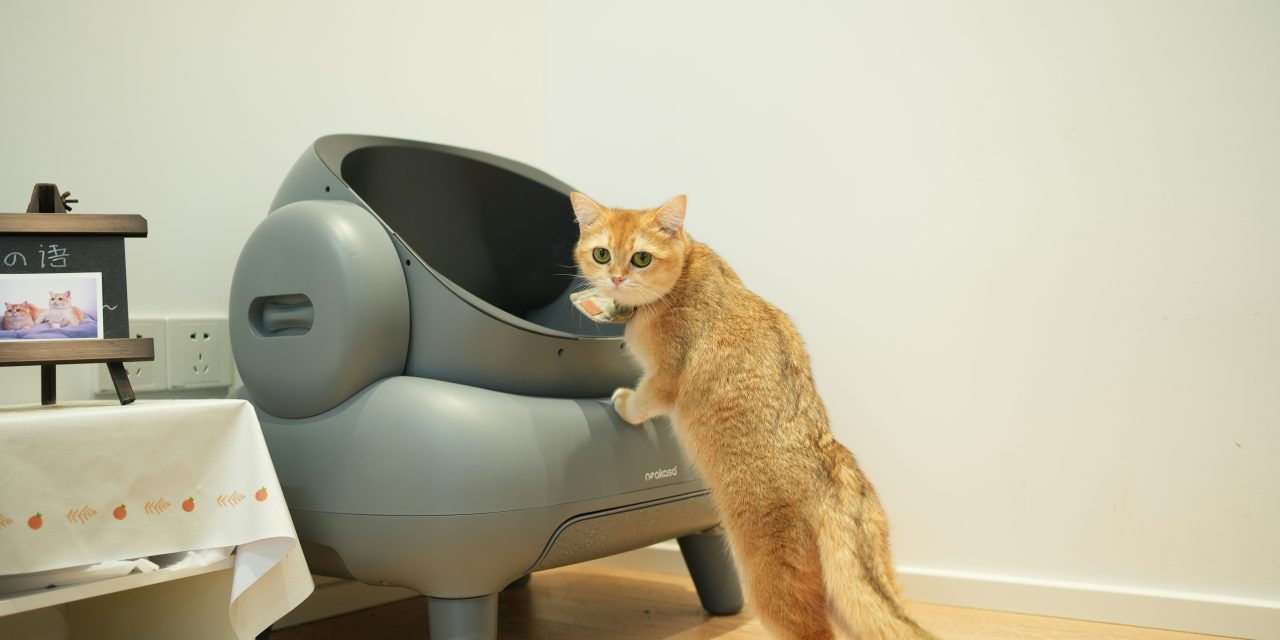
Self-cleaning litter boxes have gained popularity in recent years due to their convenience. These automated systems often require more space than traditional boxes, so it’s essential to consider both the dimensions of the unit and the area where it will be placed. Additionally, there are specialized boxes designed for specific needs, such as high-sided boxes for cats that tend to kick litter out or low-entry boxes for senior or disabled cats.
The dynamics of your household can significantly influence your choice of litter boxes. In single-cat households, one adequately sized litter box may suffice; however, in multi-cat environments, it is advisable to have multiple boxes available. The general rule of thumb is to have one litter box per cat plus one extra. This ensures that each cat has access to a clean box at all times, reducing territorial disputes and promoting good hygiene.
In terms of size, each box should still meet the individual needs of each cat. Larger cats may require bigger boxes, while smaller cats might be comfortable in standard-sized options. Additionally, placing boxes in different areas of the home can help alleviate stress among cats who may prefer solitude while using the litter box.
The Importance of Depth and Height in Litter Boxes
Depth and height are critical factors when selecting a litter box that meets your cat’s needs. A deeper box allows for more litter to be used, which can help control odors and provide a more satisfying digging experience for your feline friend. However, if the sides are too high, it may deter some cats from using it altogether, especially those with mobility issues.
Height is equally important; a box that is too tall can be intimidating for smaller or older cats. Conversely, a box that is too shallow may lead to litter scattering outside the box or insufficient coverage of waste. Striking the right balance between depth and height will ensure that your cat feels comfortable using their designated space.
The environment in which your cat resides also plays a significant role in determining the appropriate litter box size and type. Indoor cats typically require a larger litter box since they spend most of their time indoors and rely on it for their bathroom needs. A spacious box allows them to dig and cover waste effectively, promoting good hygiene.
Outdoor cats may have different requirements; they often prefer natural substrates like soil or grass for elimination. However, if they are primarily indoor cats or spend significant time indoors, providing them with an adequately sized litter box is essential for maintaining their health and comfort.
How to Accommodate Senior or Overweight Cats
Senior or overweight cats often face unique challenges when it comes to using litter boxes. Mobility issues can make it difficult for them to enter or exit traditional boxes comfortably. To accommodate these needs, consider investing in low-entry litter boxes with lower sides that allow easy access without straining their joints.
Additionally, providing extra cushioning within the box can enhance comfort for senior cats with arthritis or other joint issues. Using softer litter materials can also make the experience more pleasant for them. Regularly monitoring their weight and health status will help you make necessary adjustments to their litter box setup as they age.
Evaluating Your Living Space for Litter Box Placement
The placement of your cat’s litter box is just as important as its size and type. Cats prefer quiet, low-traffic areas where they feel safe while eliminating waste. Avoid placing the litter box near food and water bowls or in areas with loud noises or frequent disturbances.
Consider accessibility when choosing a location; ensure that your cat can easily reach the box without obstacles in their path. If you have multiple floors in your home, providing at least one litter box on each level can help accommodate your cat’s needs effectively.
Choosing the Right Material and Design for Comfort
The material and design of the litter box can significantly impact your cat’s comfort level while using it. Plastic is the most common material used for litter boxes due to its durability and ease of cleaning; however, some cats may prefer boxes made from softer materials like wood or cardboard.
Design features such as rounded edges can enhance comfort by preventing sharp corners from causing discomfort during use. Additionally, consider opting for a non-stick surface that makes cleaning easier while minimizing odors from waste accumulation.
Tips for Transitioning Your Cat to a New Litter Box Size
Transitioning your cat to a new litter box size requires patience and understanding. Start by introducing the new box gradually; place it next to the old one so your cat can explore it at their own pace. Allow them to become familiar with the new environment before removing the old box entirely.
Using familiar litter from the old box can help ease this transition; mixing some old litter with new can encourage your cat to use the new setup confidently. Monitor their behavior closely during this period; if they seem hesitant or refuse to use the new box, consider reverting back temporarily until they adjust.
In conclusion, selecting the right litter box involves careful consideration of various factors including your cat’s size, age, mobility, and living environment. By understanding these elements and making informed choices regarding dimensions, materials, and placement, you can create an optimal bathroom experience for your feline companion that promotes health and happiness throughout their life stages.
### FAQ Section
1. **What size should my cat’s litter box be?**
– The ideal size should be at least one and a half times your cat’s length from nose to tail and tall enough for them to stand comfortably.
2. **How many litter boxes do I need for multiple cats?**
– The general guideline is one litter box per cat plus one extra.
3. **What type of litter box is best for senior cats?**
– Low-entry boxes with lower sides are recommended for senior cats with mobility issues.
4. **Can I use a covered litter box?**
– Yes, covered boxes provide privacy but ensure they are spacious enough for your cat’s comfort.
5. **How often should I clean my cat’s litter box?**
– It’s advisable to scoop daily and perform a thorough cleaning weekly.
6. **What materials are best for litter boxes?**
– Plastic is common due to its durability; however, softer materials may be preferred by some cats.
7. **How do I transition my cat to a new litter box?**
– Introduce it gradually by placing it next to the old one and using familiar litter during the transition.
8. **What if my cat refuses to use the new litter box?**
– If they hesitate, revert back temporarily until they adjust before trying again.
9. **Are self-cleaning litter boxes worth it?**
– They offer convenience but ensure they fit well within your living space and meet your cat’s needs.
10. **How do I know if my cat is comfortable with their litter box?**
– Signs include regular use without hesitation; if they avoid it or show signs of distress, adjustments may be necessary.
In summary, understanding your cat’s unique needs regarding size, age, mobility, and environment is crucial when selecting an appropriate litter box. By considering these factors carefully and implementing thoughtful solutions, you can create an inviting space that promotes good hygiene and overall well-being for your feline friend.
FAQs
What size litter box is appropriate for a kitten?
A kitten typically requires a smaller litter box that is easy for them to access. A box that is around 18 inches long and 12 inches wide is usually sufficient. As they grow, you should transition to a larger box to accommodate their size.
How do I determine the right litter box size for an adult cat?
An adult cat generally needs a litter box that is at least 24 inches long and 18 inches wide. The box should be large enough for the cat to turn around comfortably and dig without feeling cramped.
Should I consider the breed of my cat when choosing a litter box size?
Yes, the breed can influence the size of the litter box needed. Larger breeds, such as Maine Coons or Ragdolls, may require a larger box to accommodate their size and ensure they have enough space to move around comfortably.
Is it necessary to have multiple litter boxes for multiple cats?
Yes, it is recommended to have one litter box per cat, plus one extra. This helps prevent territorial disputes and ensures that each cat has access to a clean box, which is crucial for their comfort and hygiene.
What features should I look for in a litter box besides size?
In addition to size, consider features such as height (for easy access), covered vs. uncovered options (for privacy), and ease of cleaning. Some boxes also have high sides to prevent litter from spilling out, which can be beneficial for more active cats.