Hissing is a vocalization that many cat owners may encounter, often leading to confusion or concern. This sound is a form of communication that serves as a warning signal, indicating that a cat feels threatened or uncomfortable. Unlike barking in dogs, hissing in felines is a more nuanced expression of their emotional state. It is essential to recognize that hissing is not inherently aggressive; rather, it is a defensive mechanism designed to deter perceived threats.
When a cat hisses, it typically accompanies other body language cues, such as flattened ears, dilated pupils, and an arched back. Understanding the context of this behavior is crucial for pet owners. By interpreting the underlying emotions associated with hissing, caregivers can better respond to their feline companions’ needs and foster a more harmonious relationship.
Common Causes of Hissing in Cats
Several factors can contribute to a cat’s hissing behavior. One of the most prevalent causes is fear or anxiety, which can arise from various situations, such as encountering unfamiliar people or animals. Cats are creatures of habit and often prefer their established routines. Sudden changes in their environment can lead to stress, prompting them to hiss as a warning sign.
Another common cause of hissing is territorial disputes. Cats are naturally territorial animals, and they may hiss when they feel their space is being invaded by another animal or even a human. This behavior can be particularly pronounced in multi-pet households where competition for resources, such as food and resting areas, exists. Understanding these triggers can help owners manage their cats’ behavior more effectively.
Fear and Anxiety: Why Your Cat Might Feel Threatened

Fear and anxiety are significant contributors to hissing behavior in cats. Various stimuli can provoke these feelings, including loud noises, sudden movements, or the presence of unfamiliar animals or people. For instance, a cat may hiss when it hears fireworks or thunder, as these sounds can be startling and overwhelming.
Additionally, changes in the household environment—such as moving to a new home or the introduction of a new pet—can exacerbate feelings of insecurity. Cats thrive on routine and predictability; thus, any disruption can lead to heightened anxiety levels. Recognizing these triggers is vital for cat owners who wish to create a more stable and reassuring environment for their pets.
Pain or Discomfort: When Hissing Signals Health Issues

Hissing can also serve as an indicator of pain or discomfort in cats. When felines experience physical distress—whether due to injury, illness, or chronic conditions—they may vocalize through hissing as a means of expressing their discomfort. For example, a cat suffering from dental disease may hiss when its mouth is touched due to pain.
It is crucial for pet owners to pay attention to any accompanying signs of distress, such as changes in appetite, lethargy, or altered grooming habits. If hissing persists alongside these symptoms, it may be necessary to consult a veterinarian for a thorough examination. Early intervention can lead to better outcomes for cats experiencing health issues.
Territorial Behavior and Hissing
Territorial behavior is another common reason for hissing in cats. As natural hunters and solitary creatures, cats often establish territories that they defend vigorously. When another animal encroaches upon this space—whether it be another cat or even a dog—hissing serves as a warning to back off.
In multi-pet households, this behavior can manifest during feeding times or when competing for resting spots. Owners should be mindful of their cats’ territorial instincts and provide separate spaces for each pet to minimize conflict. By understanding the dynamics of territorial behavior, caregivers can help reduce instances of hissing and promote a more peaceful coexistence among pets.
How Past Trauma Can Influence Your Cat’s Behavior
A cat’s past experiences can significantly shape its behavior and reactions to various stimuli. Cats that have experienced trauma—such as abuse or abandonment—may exhibit heightened sensitivity and fearfulness in new situations. This history can lead to increased hissing as a defensive response when they feel threatened.
Understanding the impact of past trauma on a cat’s behavior is essential for fostering trust and security. Owners should approach their pets with patience and empathy, allowing them to acclimate at their own pace. Gradual exposure to new experiences and positive reinforcement can help alleviate anxiety stemming from past traumas.
Recognizing Body Language Accompanying Hissing
To effectively interpret a cat’s hissing behavior, it is essential to recognize accompanying body language cues. A hissing cat may display flattened ears, dilated pupils, and an arched back—signs that indicate fear or aggression. Additionally, a cat may swat its paw or puff up its fur as part of its defensive posture.
Understanding these visual signals allows owners to gauge the severity of the situation and respond appropriately. For instance, if a cat displays signs of aggression alongside hissing, it may be best to give it space rather than attempting to approach or comfort it immediately.
How to Respond When Your Cat Hisses at You
When faced with a hissing cat, it is crucial for owners to remain calm and composed. Reacting with fear or aggression can exacerbate the situation and further stress the animal. Instead, owners should give the cat space and time to cool down before attempting any interaction.
Once the cat has calmed down, owners can gradually reintroduce themselves using soothing tones and gentle movements. Offering treats or engaging in play can help rebuild trust and create positive associations with the owner’s presence. Patience is key; rushing the process may lead to further anxiety and hissing.
Creating a Calm and Safe Environment for Your Cat
Establishing a serene environment is vital for reducing stress levels in cats and minimizing hissing incidents. Owners should create designated safe spaces where their cats can retreat when feeling overwhelmed. These areas should be equipped with comfortable bedding, toys, and access to food and water.
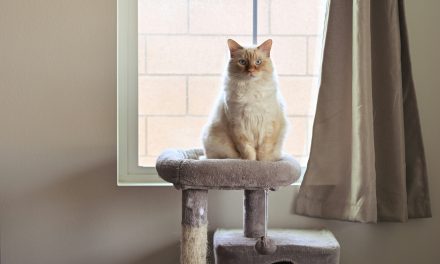
Additionally, incorporating elements such as vertical spaces—like cat trees or shelves—can provide cats with opportunities for exploration while maintaining their sense of security. Utilizing pheromone diffusers or calming sprays may also help alleviate anxiety by creating a more tranquil atmosphere.
When to Seek Veterinary or Behavioral Help
If hissing becomes frequent or is accompanied by other concerning behaviors—such as aggression or withdrawal—owners should consider seeking professional help. A veterinarian can assess whether underlying health issues contribute to the behavior and recommend appropriate treatments.
In cases where behavioral issues are suspected, consulting with an animal behaviorist may provide valuable insights into modifying the cat’s reactions. These professionals can offer tailored strategies for addressing anxiety or aggression while fostering a healthier relationship between the owner and pet.
Building Trust and Strengthening Your Bond with Your Cat
Building trust with a cat requires time, patience, and understanding. Engaging in regular play sessions using interactive toys can help strengthen the bond between owner and pet while providing mental stimulation for the cat. Additionally, establishing consistent routines around feeding and grooming can create predictability that fosters security.
Positive reinforcement techniques—such as rewarding desired behaviors with treats or praise—can also encourage trust-building interactions. By creating an environment where the cat feels safe and valued, owners can significantly reduce instances of hissing while enhancing their overall relationship with their feline companions.
In summary, understanding cat hissing involves recognizing its multifaceted nature as a form of communication rooted in fear, anxiety, pain, territoriality, and past trauma. By interpreting accompanying body language cues and responding appropriately, owners can create a calm environment that fosters trust and strengthens their bond with their cats. Seeking professional help when necessary ensures that both behavioral issues and health concerns are addressed effectively, leading to happier and healthier feline companions.
FAQs
Why does my cat hiss at me?
Cats hiss as a form of communication, often indicating fear, aggression, or discomfort. When a cat hisses, it is trying to warn you to back off or to express that it feels threatened in some way.
What are common triggers for a cat’s hissing?
Common triggers for hissing include feeling cornered, encountering unfamiliar people or animals, experiencing pain or illness, or being startled. Changes in their environment, such as new furniture or loud noises, can also provoke this reaction.
Is hissing always a sign of aggression?
No, hissing is not always a sign of aggression. It can also indicate fear or anxiety. A cat may hiss as a defensive mechanism when it feels threatened, rather than out of a desire to attack.
How should I respond if my cat hisses at me?
If your cat hisses at you, it’s important to give it space and avoid approaching it immediately. Allow your cat to calm down and assess the situation. You can also try to identify the cause of the hissing and address any stressors in its environment.
Can hissing be a sign of a health issue?
Yes, hissing can sometimes indicate that a cat is in pain or discomfort due to a health issue. If your cat hisses frequently or shows other signs of distress, it’s advisable to consult a veterinarian to rule out any underlying medical problems.